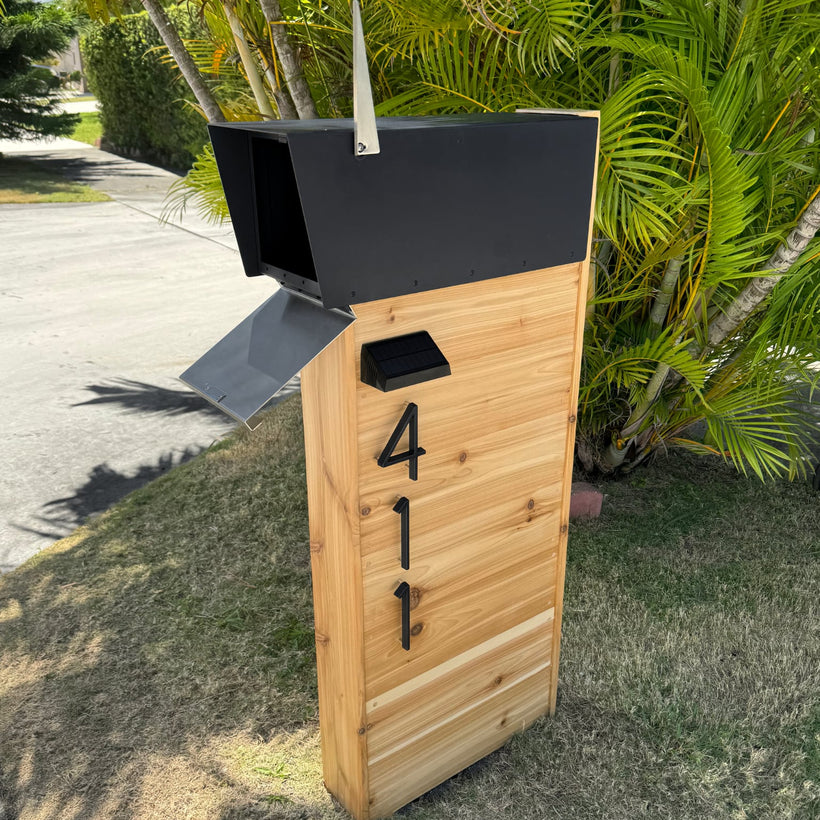
Salt air eats a cheap steel mailbox in a couple of seasons. Here is what actually holds up within sight of the water, and why the material matters more than the paint.
Dream Mailboxes Team8 min readUpdated September 2026
Near the ocean, the mailbox that survives is the one that never had steel to rust in the first place.
The short answer
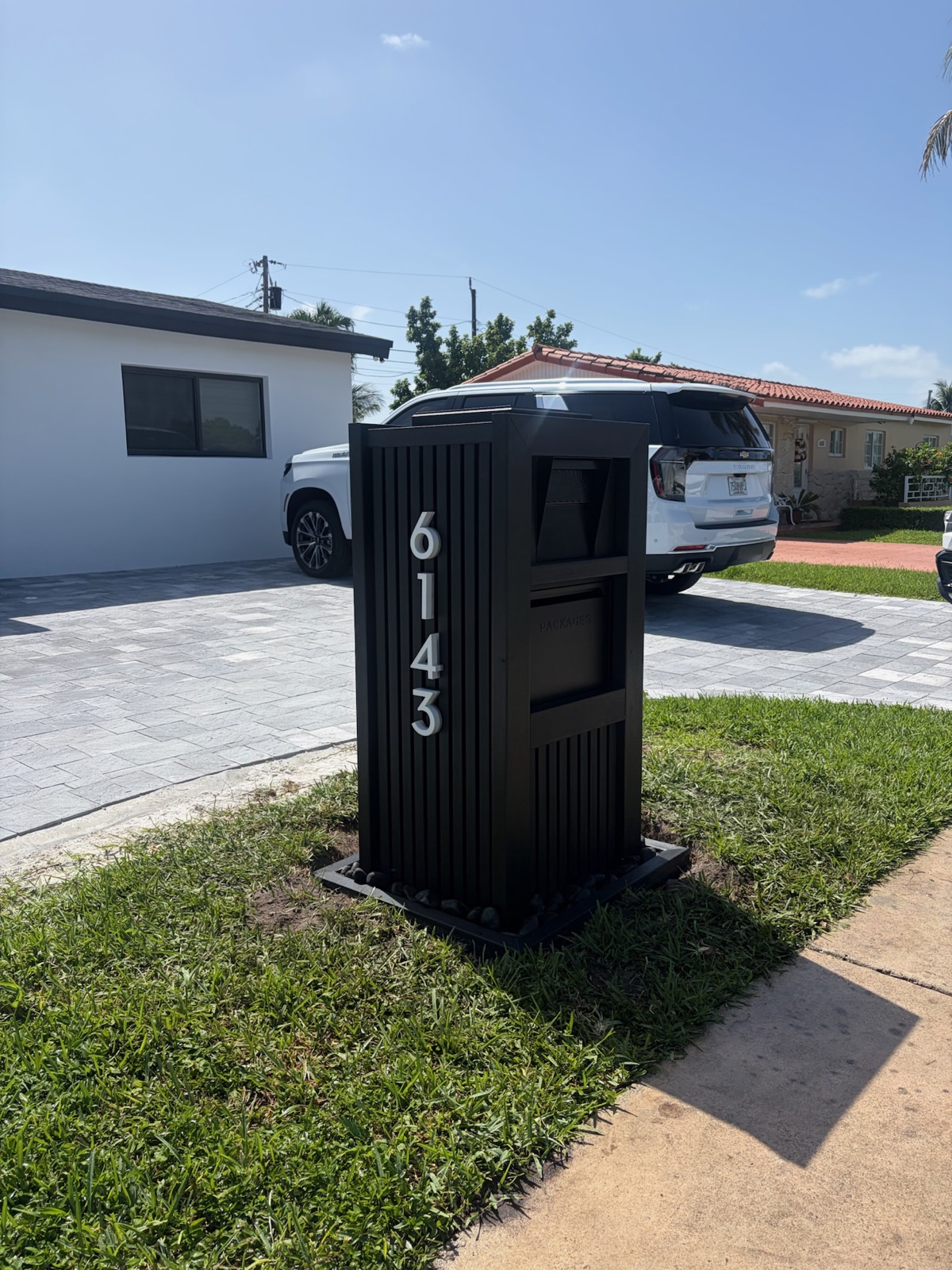
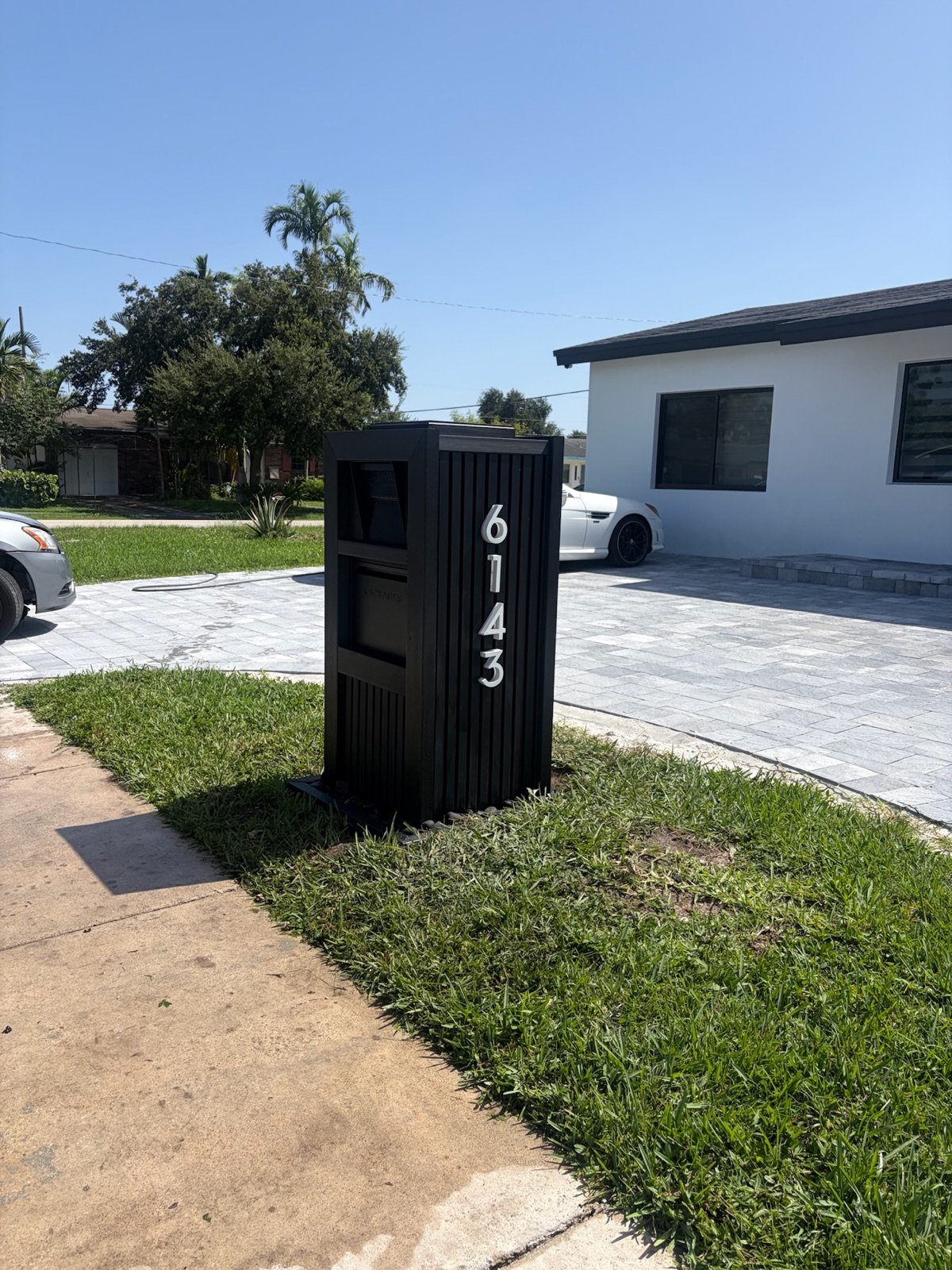
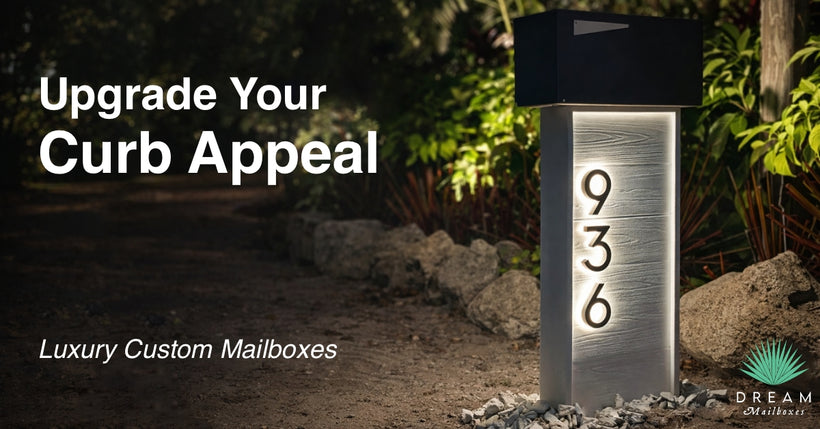
For a beach or waterfront home, skip steel entirely. The two materials that genuinely stand up to salt air are powder-coated aluminum and composite. Aluminum does not rust because it has no iron to corrode, and a composite box will not rot, warp, or fade the way wood and cheap metal do. Dream Mailboxes builds both, made to order in the USA in your choice of color: the Aluma Modern and Slatline in aluminum, and LinearLuxe and Modern Farmhouse in composite. Everything ships free nationwide, professional install is optional at $499, and the whole build carries a 1-year warranty.
If you live near the water, you already know the pattern. A new mailbox goes up looking sharp, and within a year or two there is a rust freckle at the bolt heads. The next year the door hinge stains and stiffens. By the third year the whole post looks tired, and you are back at the hardware store buying the same thing that just failed. It is not bad luck. It is chemistry, and it is completely avoidable if you change the material instead of the brand.
Why salt air corrodes a cheap steel mailbox so fast
Rust is iron reacting with oxygen and moisture. Ordinary steel is mostly iron, so it is looking for a chance to rust the moment it leaves the factory. Coastal air makes that reaction much faster for one simple reason: salt. Fine airborne salt drifts inland off the water, settles on every surface, and it is hygroscopic, meaning it pulls moisture out of the air and holds it against the metal. Salt water also conducts electricity, which speeds up the electrochemical process that turns steel into rust. So a steel box a few blocks from the beach is sitting in a thin, damp, salty film almost around the clock.
Paint and galvanizing slow this down, but they do not stop it. Every mailbox has scratches, screw holes, and cut edges where the base metal is exposed. On a waterfront home, salt finds those spots and works underneath the coating. Once rust starts under paint it spreads sideways, lifting the finish as it goes. This is why a galvanized or painted steel box can look fine at the store and still fail early on the coast: the protection is only skin deep, and the coast is relentless about finding the seams.
Wind matters too. On an exposed lot the mailbox takes the full brunt of onshore gusts carrying salt spray, so anything with iron in it, from the box shell to the fasteners to the post bracket, is in the line of fire. The fix is not a better coating over steel. It is choosing a material that has nothing to rust.
What "rust-proof" actually means
The word gets used loosely, so it helps to be precise. Rust is specifically the corrosion of iron and its alloys. A material can only truly rust if it contains iron. That gives you two honest ways to get a rust-proof mailbox on the coast:
Use a metal with no iron in it. Aluminum corrodes in a completely different, far slower way. When aluminum meets air it forms a thin oxide skin that seals the surface and protects the metal underneath. It does not flake and spread the way iron rust does. Add a powder-coated finish over it and you have a surface built to shrug off salt.
Use no metal at all for the body. A composite box is a dense polymer, so there is no iron and nothing to rust. It also will not rot, warp, or fade, which handles the other two things the coast throws at your curb: constant moisture and hard UV off the water.
Notice what is not on that list: "rust-resistant," "weather-treated," or "marine-grade coating" over a steel core. Those phrases describe a delay, not a solution. On a home that is genuinely rain-soaked and salt-blown, you want a material that is indifferent to salt, not one that merely postpones the day it gives in. For a fuller side-by-side of how each option ages, our guide on aluminum, composite, or faux pillar walks through the tradeoffs in detail.
Powder-coated aluminum vs composite vs stainless steel
Three materials get pitched as the coastal answer. Here is how they actually behave within sight of the water.
Powder-coated aluminum
This is the workhorse for a modern coastal curb. Aluminum has no iron, so it will not rust, and powder coating adds a tough, baked-on color layer that resists chipping far better than sprayed paint. Dream Mailboxes builds the Aluma Modern and the Slatline in powder-coated aluminum, and because every box is made to order you pick the color rather than settling for whatever black or bronze is on the shelf. Aluminum is also light, which is a quiet advantage on a windy lot: less mass swinging on the post in a gust. The tradeoff is honest. This is a premium, hand-built box rather than a ten-dollar stamped one, so it costs more up front. On the coast that math usually favors buying once.
Composite
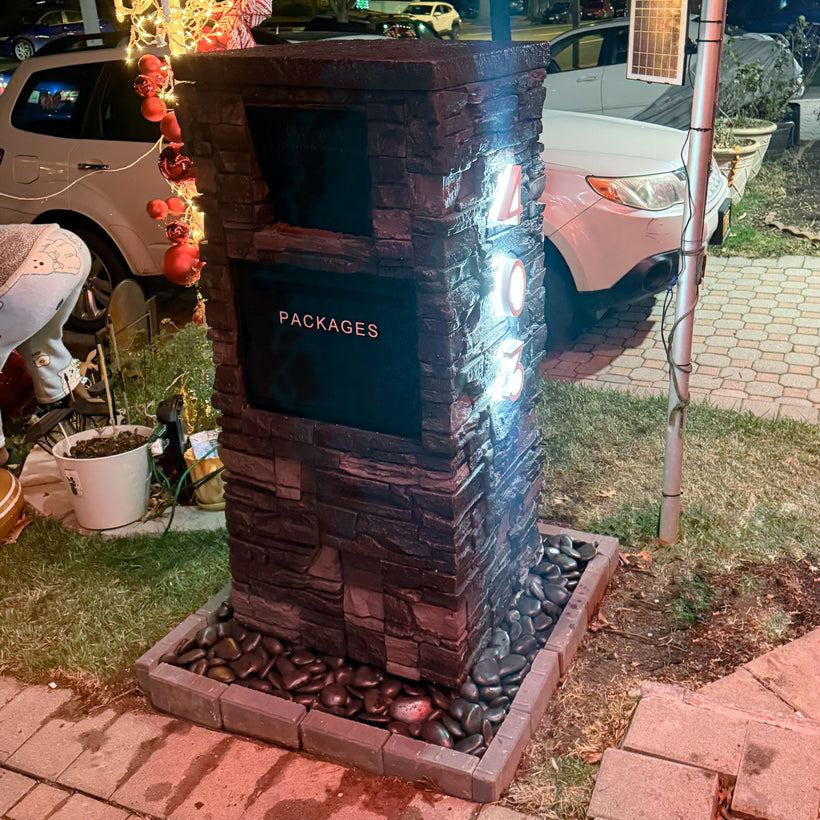
Composite is the pick when you want the look of a solid, substantial box and total peace of mind about rot and fade. Because the body is polymer, salt air simply is not a factor: no rust, no rot, no warping, and the color is engineered to resist fading under strong sun. Dream Mailboxes offers composite in the LinearLuxe and the Modern Farmhouse Composite, again made to order in your color. If your home leans coastal-traditional or farmhouse, this is often the more natural fit, and it carries the same 1-year warranty as the rest of the line.
Stainless steel
Stainless is where people get tripped up. It resists rust better than plain steel because chromium in the alloy forms a protective layer, but "resists" is the operative word. In a chloride-heavy environment, which is exactly what salt air is, lower grades of stainless can still develop surface rust and pitting over time. It can be a fine material well inland. Right on the water it is not the safe default people assume, and a quality stainless box is not cheap either. Given the choice on the coast, aluminum and composite are the cleaner answers because they remove iron from the equation instead of trying to protect it.
0 ironPowder-coated aluminum and composite contain no iron, so there is nothing in the body of the box for salt air to rust. That is the whole reason they outlast steel on the coast, not a coating that salt eventually creeps under.
Source: Dream Mailboxes material specifications
Finish care near the ocean
Rust-proof does not mean maintenance-free, it means the maintenance is easy and cosmetic rather than a losing battle. Salt film builds up on any outdoor surface near the water, so the single best habit is a rinse. Every few weeks, or after a big blow, hose the box down and wipe it with a soft cloth and mild soap. That removes the salt before it can dull the finish. Skip abrasive pads and harsh solvents, which can scuff powder coating. Check the fasteners now and then; on a Dream Mailboxes build the hardware is chosen to match the box, but any exposed metal on the coast benefits from a quick look. Do that, and a powder-coated aluminum or composite box keeps its color and its crisp lines for years, which is the entire point of choosing the right material at the start.
Galvanized steel
Stainless steel
What we recommendDream Mailboxes aluminum / composite
Contains iron?
Yes, rusts once coating is breached
Yes, chromium slows but does not stop it
No iron in aluminum or composite bodies
Salt-air performance
Rust freckles at edges and fasteners early
Can pit and surface-rust in chloride air
Will not rust; composite will not rot, warp, or fade
Finish
Thin coating over metal, chips and lifts
Bare or brushed metal, shows water spots
Baked-on powder coat in your custom color
Upkeep on the coast
Ongoing, and it is a losing battle
Regular rinsing, still ages
Occasional rinse, stays cosmetic
Warranty & build
Mass-produced, minimal warranty
Varies widely
Made to order in the USA, 1-year warranty
"The mistake is thinking a better coating will save a steel box near the ocean. It will not. Take the iron out of the equation and the problem simply goes away."
— Dream Mailboxes design team
A baked-on powder coat over aluminum keeps its color where sprayed paint over steel would already be lifting.
Matching the box to a waterfront home
Material solves the durability question, but a coastal home also has a look, and that is where made-to-order earns its keep. A flat-roofed modern build near the water suits the clean lines of the Aluma Modern or the Slatline in a deep charcoal or a soft coastal white. A shingled or farmhouse-style home reads better with the heft of the LinearLuxe or the Modern Farmhouse Composite. If your entry calls for something more architectural, a faux stone pillar gives you the presence of a masonry column without real stone, and it is just as indifferent to salt. Because Dream Mailboxes designs, builds, and can install every one of these, you are not stitching together a box from one place and a color from another. You approve the look, it gets built to match, and it arrives ready for the curb.
Two more practical notes for coastal lots. If yours is a long approach or a waterfront property set back from the road, the best mailbox for a long driveway guide covers visibility and placement that matter more when the box sits far from the house. And if package theft or driving rain is a concern, a weatherproof package vault built for coastal and rainy climates uses the same rust-proof thinking for parcels, not just letters.
Where installation fits in
You can set a coastal mailbox yourself, and every Dream Mailboxes box ships free nationwide so that is a real option. If you would rather it be done right the first time, professional installation is available for $499. That matters a little more on the coast, where sandy soil and wind mean a post really needs to be set properly. If you do place it yourself, follow USPS guidance for a curbside box: the bottom of the box 41 to 45 inches above the road and 6 to 8 inches back from the curb, so your carrier can reach it. Placement is optional to worry about only until the carrier cannot serve the box; then it is the whole ballgame.
If you want help choosing a material and color for your specific spot, or you are not sure whether aluminum or composite fits your home better, tell us about your location and we will spec it for the salt and sun you actually get.
Common questions
What mailbox material lasts longest near the ocean?
Powder-coated aluminum and composite last longest near the ocean because neither contains iron, so neither can rust. Composite additionally will not rot, warp, or fade. Dream Mailboxes builds both, made to order, so you get coastal durability in the color and style your home calls for.
Does aluminum rust in salt air?
No. Rust is specifically the corrosion of iron, and aluminum has no iron. Aluminum forms a thin protective oxide layer instead of flaking rust, and a powder-coated finish adds another tough layer on top. That is why powder-coated aluminum boxes hold up so well on the coast.
Is stainless steel a good coastal mailbox?
It is better than plain steel but not the safe default people expect. Salt air is chloride-heavy, and lower grades of stainless can still pit and surface-rust over time. On a genuine waterfront lot, aluminum or composite is the cleaner choice because they remove iron entirely.
How do I keep a coastal mailbox looking new?
Rinse it with a hose every few weeks, or after a storm, and wipe it with mild soap and a soft cloth to clear salt film. Avoid abrasive pads and harsh solvents. On a rust-proof aluminum or composite box, that light cosmetic upkeep is all it needs.
Can I get a coastal mailbox in a custom color?
Yes. Every Dream Mailboxes box is made to order in the USA, so you choose the color rather than settling for stock finishes. It ships free nationwide, optional professional install is $499, and the build carries a 1-year warranty.
Dream Mailboxes Team
Custom & modern mailboxes, built for the curb
We design, hand-build, and can install custom mailboxes across the country. From powder-coated aluminum to composite and faux stone pillars, we build boxes that hold up where you live, including within sight of the water.


 Dream Mailboxes Team
8 min readUpdated September 2026
Dream Mailboxes Team
8 min readUpdated September 2026