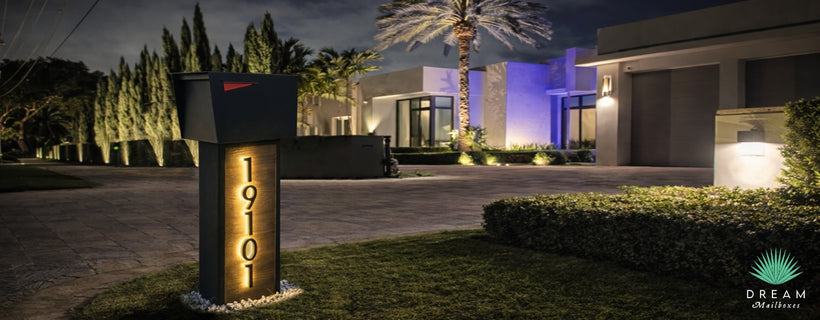
On a long or rural driveway the box lives at the road, not the door. That changes what matters: visibility, capacity, and finding the drive after dark.
Dream Mailboxes Team7 min readUpdated July 2026
When the box sits a hundred feet from the house, it has to earn every trip you make down the drive.
The short answer
For a long driveway, pick a box built to be seen and to hold more. An extra-large mailbox cuts the number of walks you make, and LED backlit address numbers help carriers, guests, and delivery drivers find the drive after dark. Mount it to USPS height and setback spec at the curb, and lean toward a weather-tough material like aluminum or composite since it lives fully exposed, far from the house.
A mailbox at the end of a short suburban walk and a mailbox at the end of a two-hundred-foot rural drive are not the same purchase, even if they look identical in the photo. Mail gets delivered at the road, not your door, so the box has to do a few jobs the average curbside box never has to think about: get noticed from a moving car, hold several days of mail without jamming, mark your driveway at night, and survive out there alone through every season. Get those right and the box stops being a chore. Get them wrong and you are walking down the drive twice a day to check an empty, overstuffed, or hard-to-find box.
Placement comes first, because the walk is long
On a long driveway the carrier almost always delivers from the vehicle at the curb, which means placement is not a detail, it is the whole game. The U.S. Postal Service's mailbox guidelines expect the bottom of the box to sit a set height off the road and a set distance back from the curb face so a carrier can reach it without leaving the vehicle. Those dimensions are spelled out in the Postal Service's published standards (DMM 508). Miss them and delivery becomes a judgment call, or you end up making an extra trip down the drive to a box the carrier couldn't service.
41–45 inUSPS's expected height from the road surface to the bottom of a curbside mailbox, set 6–8 inches back from the curb face. On a long driveway this is what makes reliable at-the-road delivery possible in the first place.
Source: USPS — Mailbox Guidelines
Because the box is far from the house, every wasted walk costs you real time. Two things help. First, get the height and setback right on install so the carrier never skips the box, our install instructions walk through it. Second, sign up for USPS Informed Delivery, which lets you preview the day's incoming mail and track packages. On a long drive that preview is worth its weight: you go down when there is something to collect, not on spec.
Make it visible from the road
Visibility is the quiet upgrade nobody thinks about until they need it. A larger box with a clear, high-contrast address is easier for a substitute carrier to service, easier for a guest to find, and far easier for a delivery driver who has never been to your road. The address numbers are doing double duty here: they identify the box and they mark the mouth of your driveway. A small, low-contrast number that reads fine from three feet away disappears from a car at thirty.
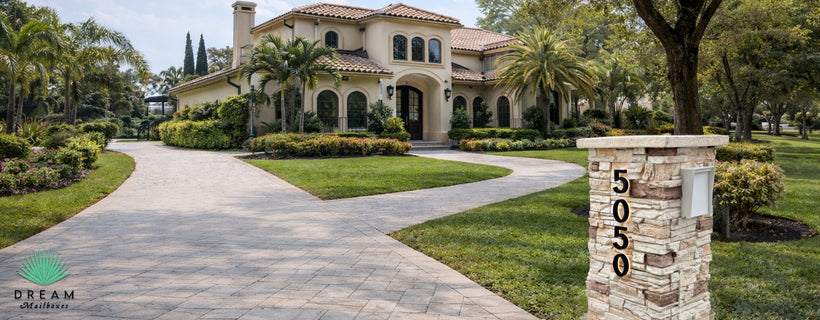
This is also the cheapest curb-appeal move you can make on a rural lot. The National Association of Realtors' research on what buyers actually value keeps exterior, first-impression projects near the top, and on a rural lot a clean, legible box at the road is the first thing anyone sees of the property. Sites like This Old House make the same point: the front approach sets the first impression before a visitor ever reaches the house.
Night is where LED earns its keep
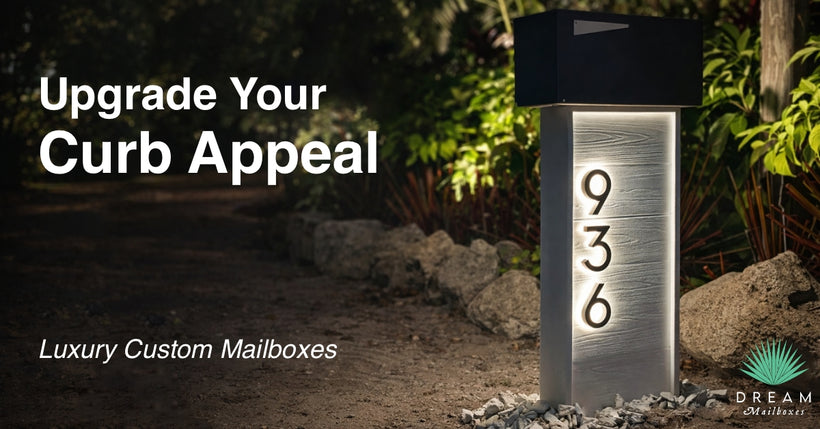
After dark, a matte set of numbers on a dark box is effectively invisible from the road. LED backlit address numbers solve the one problem a long rural driveway has that a suburban one usually doesn't: a driver who cannot find your turn. Backlit numbers turn the box into a soft, unmistakable marker, which matters for late deliveries, for guests, and for anyone who needs to locate the house quickly. It is a small add-on that changes how findable your whole property is at night.
Standard curbside
Best for long drivesExtra-large + LED numbers
Extra-large (no light)
Road visibility
Fine up close, easy to miss from a car
Large face reads from the road
Large face reads from the road
Capacity
One day of mail; jams fast
Several days or a small parcel
Several days or a small parcel
Night-finding
Numbers vanish after dark
Backlit numbers mark the drive
Still dark; needs headlights
Wasted walks
Frequent; you check on spec
Fewer; more days, more space
Fewer thanks to capacity
Guest / driver access
Hard to spot the turn
Easy to spot day or night
Easy by day, hard by night
Exposure
Depends on build
Choose aluminum or composite
Choose aluminum or composite
Best for
Short walks near the house
Long or rural driveways
Long drives, well-lit or gated
"On a long drive, the two things people thank us for later are the size and the lit numbers, more mail per trip, and a box you can actually find at night."
— Dream Mailboxes install team
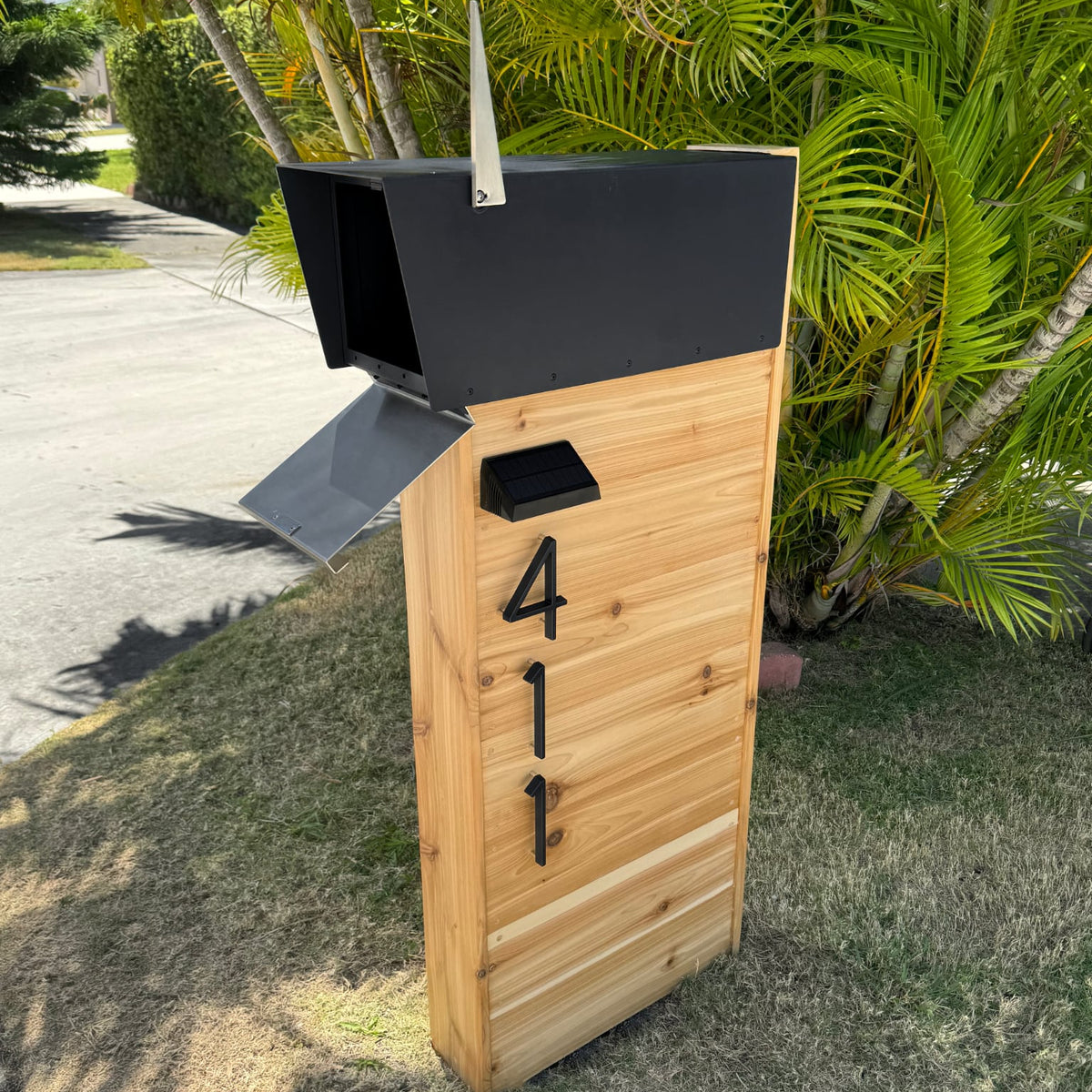
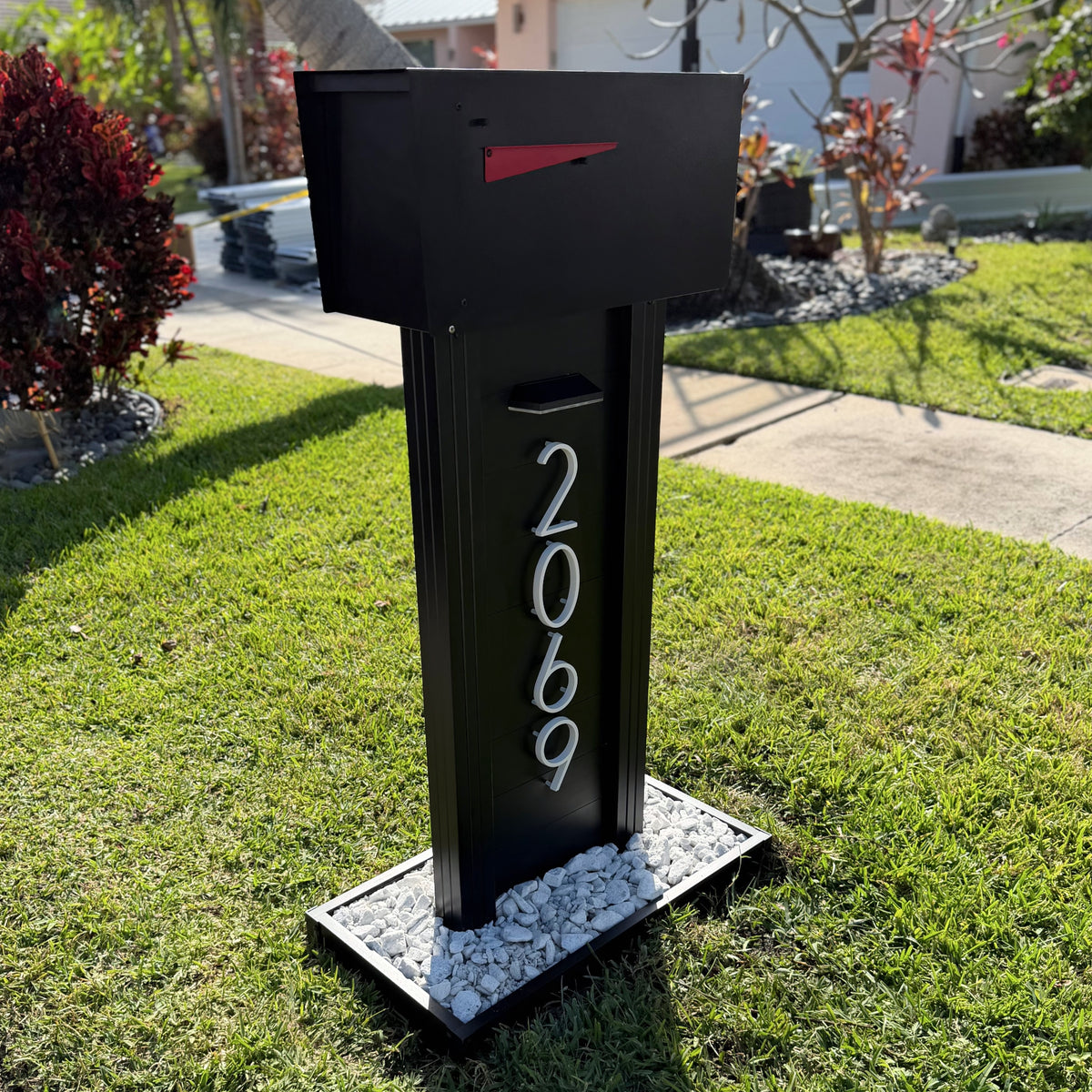
A larger aluminum box gives you both the visible face and the interior room a long-driveway household needs, without adding upkeep.
Capacity: fewer trips, no jams
Capacity is the difference between a mailbox you visit on your schedule and one that visits you on its own. If you travel, work long days, or simply do not want to walk the drive every single afternoon, a standard box works against you, a couple of days of mail and it jams, and a small parcel won't fit at all. An extra-large mailbox lets a few days of mail or a small package sit comfortably, which turns four trips a week into one or two. On a long driveway that is not a luxury, it is the feature that makes the distance livable.
Build for the exposure
A box at the road, away from the house, gets no shelter from the eaves, no shade from the porch, and full sun, wind, and freeze-thaw all year. That argues for a material that ignores weather. Aluminum won't rust and shrugs off coastal air, giving you crisp modern lines at a friendly price. Composite won't rot, warp, or corrode, and holds its color under UV, which is exactly what you want on a box no one is going to repaint. Both take a post mount well and both survive the exposure a long-driveway box lives with, so the choice between them comes down to look and budget more than durability.
How to choose for your driveway
Match the box to how far it sits and how you live, not just the picture.
You travel or work long hours: size up on capacity so several days of mail never jams the door, and let Informed Delivery tell you when a walk is worth it.
Coastal or high-humidity lot: lean composite or aluminum, both ignore salt air and moisture that would punish untreated wood or steel.
Modern home, budget-minded: an aluminum box delivers the sharpest look per dollar, with the LED number upgrade as the one add-on worth it on a long drive.
Getting the placement right: set it to USPS spec the first time, our install instructions cover height and setback.
The honest recommendation for a long driveway is boring but reliable: buy for visibility and capacity first, material second, and get the lit numbers if there is any darkness between your road and your house. Not sure what your site needs? Talk it through with us before you buy.
Common questions
Where exactly should a mailbox go on a long driveway?
At the road, mounted to USPS spec so the carrier can service it from the vehicle: the bottom of the box 41–45 inches off the road surface and 6–8 inches back from the curb face. Our install instructions walk through getting it right the first time.
Are LED backlit numbers worth it for a rural driveway?
On a dark road, yes. LED backlit address numbers mark the mouth of your driveway so delivery drivers and guests can find the turn at night, which is the exact problem long rural drives have that lit suburban streets don't.
How big should the mailbox be if it's far from the house?
Size up. An extra-large mailbox holds several days of mail or a small parcel without jamming, which cuts the number of walks you make down a long drive from most days to once or twice a week.
How do I avoid walking down the driveway for nothing?
Sign up for USPS Informed Delivery. It previews the day's incoming mail and tracks packages, so you head to the box when there's something to collect instead of checking on spec.
Which material holds up best out at the road?
Aluminum and composite both handle full exposure well, aluminum won't rust, composite won't rot, warp, or fade, and neither needs the shelter a box near the house gets. The choice between them is mostly look and budget.
Dream Mailboxes Team
Custom & modern mailboxes, built for the curb
We design and build extra-large, LED backlit, and aluminum mailboxes for homeowners who care how the front of the property reads. The questions here are the ones rural and long-driveway owners actually put to us before they buy.


 Dream Mailboxes Team
7 min readUpdated July 2026
Dream Mailboxes Team
7 min readUpdated July 2026