You want the masonry look at the curb. The real question is whether you build it once with a mason and a footing, or set a manufactured pillar in an afternoon.
Dream Mailboxes Team7 min readUpdated July 2026
A column at the curb reads as permanence. How you get there is where the real decision lives.
The short answer
For most homeowners, a faux pillar wins: it gives you the same substantial, masonry look without a mason, a footing, or a multi-day cure, and one person can set it. A real stucco or full stone surround is the choice when you specifically want site-built masonry and are willing to hire the trades to do it. Both hit the same USPS placement rules, so pick by how much install you want to own.
The picture in your head is the same either way: a solid column at the end of the drive, not a thin box on a bent post. What most people don't price in until they're standing in the yard with a shovel is how differently you arrive at that look. One path is a manufactured pillar that ships to you and sets in an afternoon. The other is a mason, a concrete footing, and a curb that's out of service for a few days. Both can look terrific. They are not the same project, and the gap shows up in cost, in weight, and in how forgiving the install is when you get the placement slightly wrong.
What each one actually is
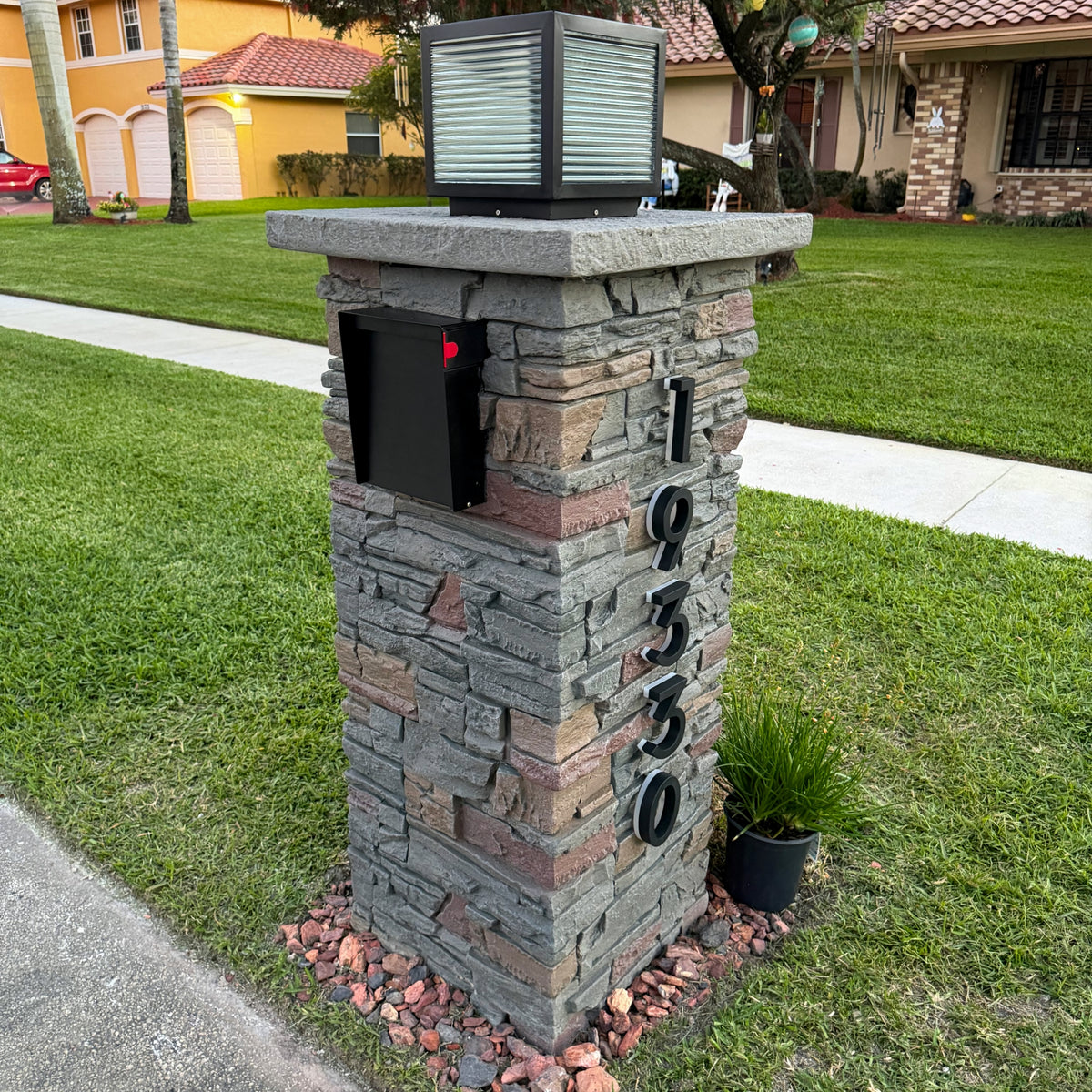
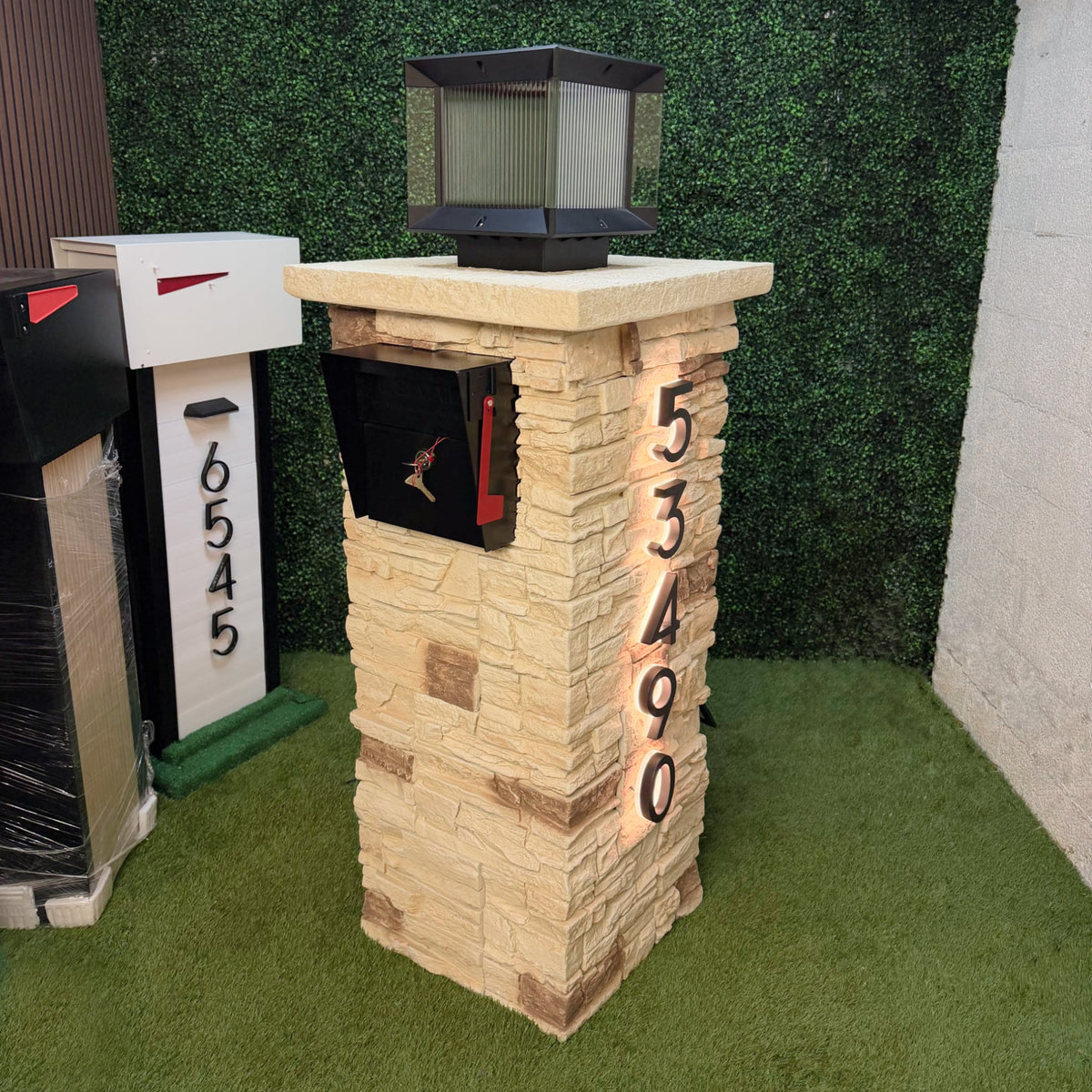
A faux pillar is a manufactured surround, engineered to look like stone or a stuccoed column but built from lightweight materials and shipped as a finished piece. You anchor it and drop in the mailbox; there's no wet trade involved. The look is deliberately architectural, and because it's made to a spec, what you see online is what shows up at the curb.
A real stucco surround is built on site: a masonry or block core, then a stucco coat troweled and cured to match a stucco home. A full stone surround is the heaviest version of the idea, real or veneer stone laid over a structural base. Both are genuine masonry, which is exactly their appeal and exactly why they carry the cost, the crew, and the cure time.
Install effort and cost
This is the widest gap between the three, and it's the one worth being honest about. A faux pillar is a homeowner-friendly install: it arrives finished, it's light enough to position by hand or with one helper, and there's no footing to pour or coat to cure. Our install instructions walk through setting one to spec in a single session.
Site-built stucco and stone are trade work. You're excavating for a footing, letting concrete set, building a core, and then either stuccoing or laying stone, each with its own cure. That means a crew, a schedule, and a curb you can't use for the duration. We're not going to invent a dollar figure for either, because it swings with your region and your mason, but the direction is not ambiguous: a faux pillar is dramatically cheaper and faster, and a real masonry surround costs more in both money and calendar. If your goal is the look and not the process, that gap is the whole story.
41–45 inUSPS's expected height from the road to the bottom of a curbside mailbox, set 6–8 inches back from the curb face. A cured masonry surround can't be moved after it sets, so it has to hit that target the first time.
Source: USPS — Mailbox Guidelines
Permanence and weight
Permanence is the reason people want masonry and the reason it's unforgiving. A poured, cured stone or stucco surround is effectively there for good; it's heavy, it's anchored, and it is not something you nudge three inches to the left after the fact. That's a feature until placement is wrong. The Postal Service's curbside standards (DMM 508) spell out the height and setback a carrier needs, and with real masonry you have exactly one chance to get it right. Measure twice, then measure again, because there's no adjustment after the concrete goes off.
A faux pillar is substantial too, but it's far more forgiving. It's light enough to reposition during install if your first placement is a hair off, and if you ever re-landscape the drive, moving it is a task rather than a demolition. You still want it right the first time, but the cost of a mistake is minutes, not a jackhammer.
"With a poured surround you get one shot at USPS spec. With a faux pillar you can still slide it over before you anchor. That difference is worth more than most people think on install day."
— Dream Mailboxes install team
A faux pillar delivers the column look and the presence, without the crew, the footing, or the cure time behind it.
Matching the home
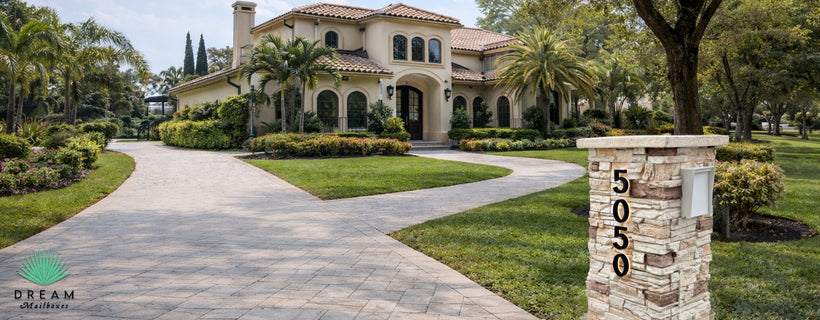
The right answer leans on your architecture. A stucco home almost begs for a matching stucco column, and if you want the coat and texture to blend seamlessly with the house, a real site-built surround, or a faux pillar finished to read as stucco, is the move. A stone or formal home pairs naturally with a stone surround; that masonry weight belongs on that curb. On a modern build, you often don't want a heavy column at all, and a crisp aluminum box on a clean post reads more correctly than a pillar would. The curb appeal that pays off, the kind the National Association of Realtors consistently ranks among the higher-value exterior touches, comes from matching the material to the house, not from picking the heaviest option available.
Maintenance
Neither faux nor real masonry asks for much, but they age differently. A faux pillar is close to zero maintenance, a rinse now and then, and it won't crack from freeze-thaw the way a stucco coat can if water gets behind it. Real stucco and stone are durable for decades, but they're masonry: a stucco surround can hairline-crack and eventually want a patch and recoat, and stone joints can need repointing over a long enough horizon. It's not frequent, but it's the trade you accept for site-built permanence.
Best for mostFaux Pillar
Stucco Surround
Stone Surround
Install
Ships finished; sets in an afternoon, no mason
Site-built: footing, core, coat, cure
Site-built: heaviest, needs a crew
Cost
Lowest; no trades to hire
Higher; mason plus materials
Highest; stone plus labor
Weight
Substantial but movable by hand
Heavy; anchored masonry
Heaviest; fully permanent mass
Permanence
Long-lasting, still repositionable
Effectively permanent once cured
Effectively permanent once set
Best match
Most homes wanting the column look
Stucco homes, seamless blend
Stone & formal homes
Maintenance
Near zero; occasional rinse
Patch/recoat over years
Repoint joints over decades
Watch-out
Anchor it to USPS spec
Cracks if water gets behind coat
Placement is one-shot; no moving it
How to choose
Start with one question: do you want the masonry look, or do you specifically want site-built masonry? Almost everyone wants the first, and for them a faux pillar is the obvious pick. The people who should build real stucco or stone are the ones who want the genuine article, have a home that calls for it, and are ready to hire the work out rather than do it themselves.
You want the look, not the project: go faux pillar. It's the presence of a column without the crew or the cure.
Stucco home, seamless blend: a real stucco surround matches the house coat for coat, if you'll hire it out.
Stone or formal home, no budget ceiling: a full stone surround belongs on that curb; plan the footing and placement carefully.
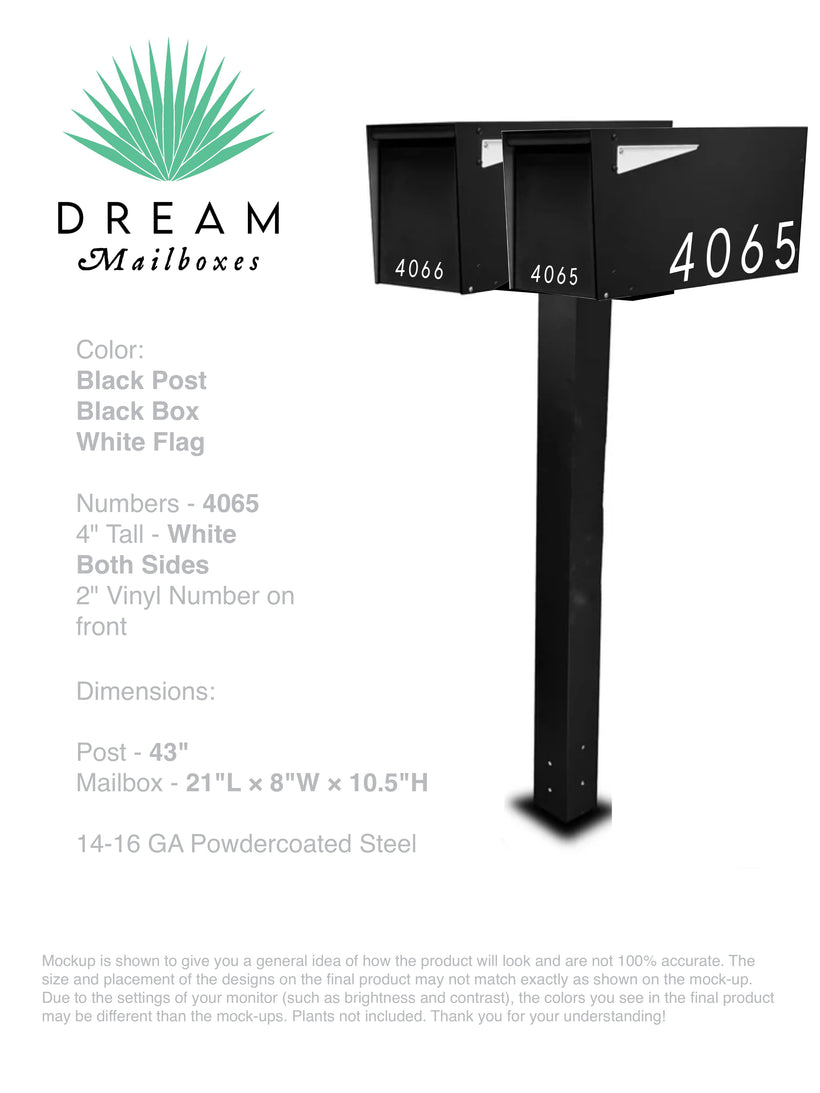
Modern build: skip the column and go aluminum on a clean post; it reads more correctly than heavy masonry.
Still deciding: see how each looks installed in our gallery before you commit to a base.
Our honest recommendation is the boring one: a faux pillar is the right call for the large majority of homeowners, because it delivers the exact look people are chasing at a fraction of the cost, weight, and hassle. Real stucco and stone are the right call for a smaller group who genuinely want site-built masonry and will hire the trades to do it well. Not sure which side of that line your home falls on? Talk it through with us before you dig.
Common questions
Do I need a mason to install a faux pillar?
No. A faux pillar ships finished and sets in an afternoon; one person with a helper can anchor it to spec. Our install instructions cover it. A real stucco or stone surround is the one that needs the mason and the footing.
Can I move a stone or stucco surround after it's installed?
Practically, no. A cured masonry surround is effectively permanent, which is why placement has to hit the USPS height and setback the first time. A faux pillar is far more forgiving, since you can reposition it before you anchor and relocate it later without demolition.
Does a faux pillar look as good as real stone?
At the curb, the difference is hard to spot. A quality faux pillar is engineered to read as masonry and gives the same substantial presence. The honest gap is close-up texture on a home where you want a seamless match to existing stucco or stonework.
Which matches a stucco house best?
A real stucco surround blends coat-for-coat with the house if you're hiring the work out. If you'd rather skip the trades, a faux pillar finished to read as stucco gets you most of the way there for far less effort.
Will my HOA allow a pillar mailbox?
Many HOAs regulate mailbox style, material, and column height, so check your covenants first, especially before a permanent stone or stucco surround, since those are the hardest to change once set. Our FAQ covers the questions we hear most.
Dream Mailboxes Team
Custom & modern mailboxes, built for the curb
We design and build faux-pillar, stucco, and aluminum mailboxes for homeowners who care how the front of the house reads. We wrote this from the comparison customers ask us to make most often before they commit to a surround.


 Dream Mailboxes Team
7 min readUpdated July 2026
Dream Mailboxes Team
7 min readUpdated July 2026