What to Do After a Package Is Stolen (and How to Stop the Next One)
The delivery photo shows it on the porch. The porch is empty. Here's how to recover the order, and how to make sure the next box can't be grabbed.
Dream Mailboxes Team7 min readUpdated August 2026
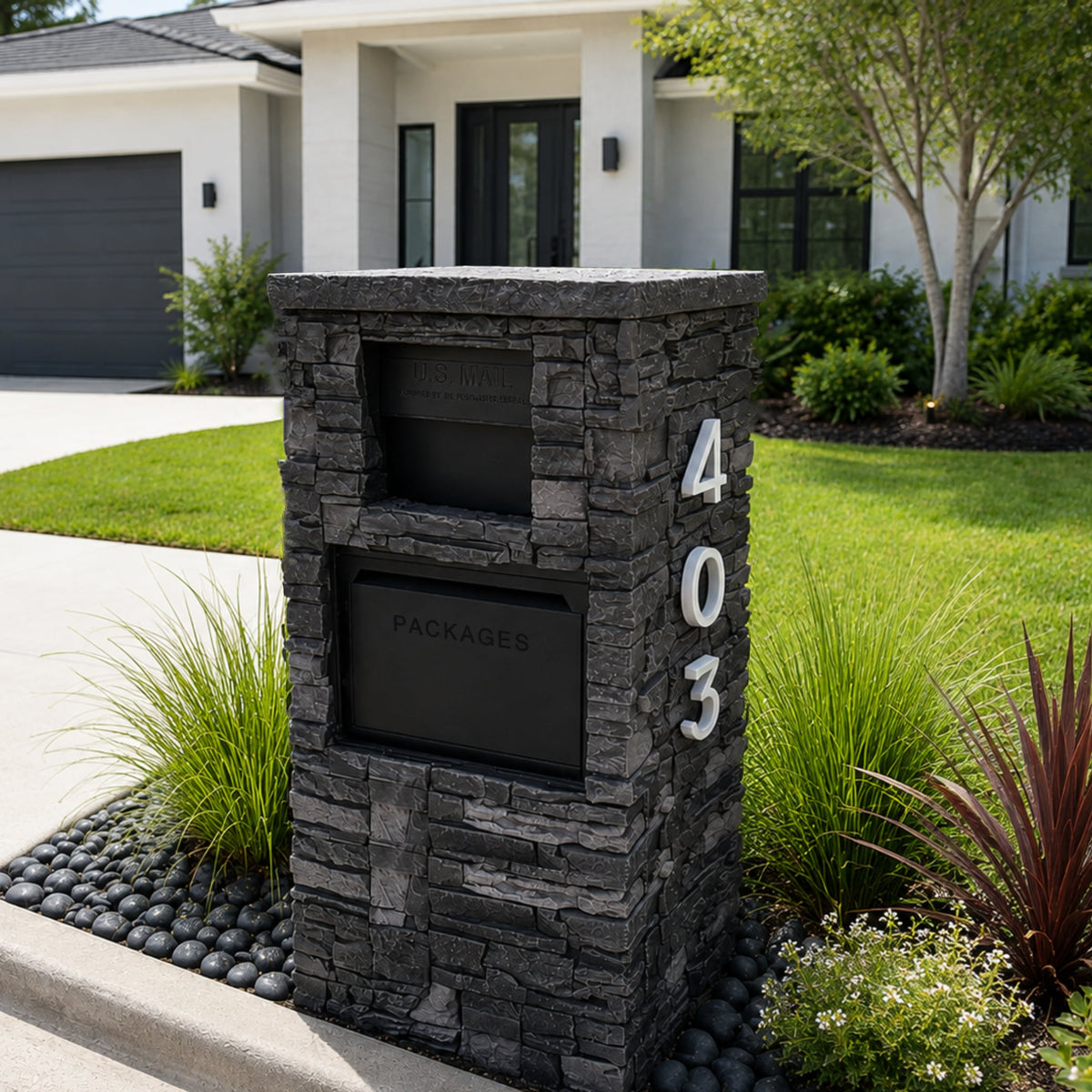
A locking vault turns delivery into a one-way drop. The courier reaches in; nobody reaches back out.
The short answer
First, recover the order: document the theft, then contact the retailer or carrier for a replacement or refund, check any camera footage, and file a police report if they ask for one. Then stop it from happening again. The layer that actually works is a locking drop, and Dream Mailboxes builds exactly that with the VaultBox / Package Vault, a secure drop a courier can load but a porch pirate can't reach into. Pair it with a couple of delivery habits and browse the full package vault collection to match your curb.
A stolen package is two problems wearing one coat. There's the order you're out right now, and there's the fact that whoever took it knows your porch is easy. Most people spend all their energy on the first and none on the second, then get hit again a month later. Handle both. The recovery part is mostly paperwork and moves fast. The prevention part is where you actually change the outcome, and it comes down to one honest question: can a stranger walk up and pick your delivery off the ground?
First, handle the theft you already have
Move quickly, because carriers and retailers both work on claim windows. The good news is that the steps are straightforward and you usually don't need much beyond the order number and a delivery timestamp.
Document it. Screenshot the tracking page showing "delivered," save the delivery photo the carrier took, and note the date and time. This is the evidence every later step asks for.
Contact the retailer first. For most orders the seller, not the carrier, owns the outcome. Report the item as delivered-but-missing and ask for a replacement or refund. Big marketplaces resolve these routinely.
Then the carrier. If the retailer points you to the shipper, file a claim with the carrier that handled it. A clear delivery scan plus your photos is usually enough.
Check your camera. If you have a doorbell or porch cam, pull the clip around the delivery time. It settles disputes fast and gives police something to work with.
File a police report if asked. Some retailers or card issuers want a report number before they'll refund a higher-value item. It's a short online filing in most towns.
That's the whole recovery playbook. Keep your documentation in one place, because if it happens twice, the second claim goes faster when you already know the drill.
Why the theft keeps happening
Package theft isn't a freak event. It's common enough that it gets counted nationally every year, and the reason is boring: a delivery left on an open porch is unsecured property sitting in plain view of the street. The thief doesn't need skill or tools. They need ten seconds and no consequences. Any real fix has to remove one of those two things, and the easiest one to remove is the "no consequences" part by making the package physically unreachable.
Every yearPackage theft is common enough that it's tracked in a national report annually, which tells you this isn't bad luck. It's a predictable risk any open porch carries, and it's the reason a secure drop pays for itself.
Source: Security.org — Package Theft Annual Report
Why the usual "fixes" fall short
People reach for the obvious answers first, and most of them don't change the math. A camera is the big one. It records the theft, but it doesn't prevent it; you get a clear video of a stranger walking off with your order, which helps a claim and does nothing for the package. A bigger porch box helps a little, since it's less obvious and holds more, but if it doesn't lock, it's still a container anyone can open. Hiding parcels behind a planter just moves the problem an arm's length.
The layer that actually works is different in kind, not degree. A locking package vault is built so a courier can drop a parcel in through a one-way slot or hood, and then it's behind a lock. Nobody reaches back out. That's the difference between recording a theft and stopping one.
"A camera tells you who took it. A vault means there's nothing to take. We build for the second one, because a package you can still grab is a package that's still going to get grabbed."
— Dream Mailboxes install & design team
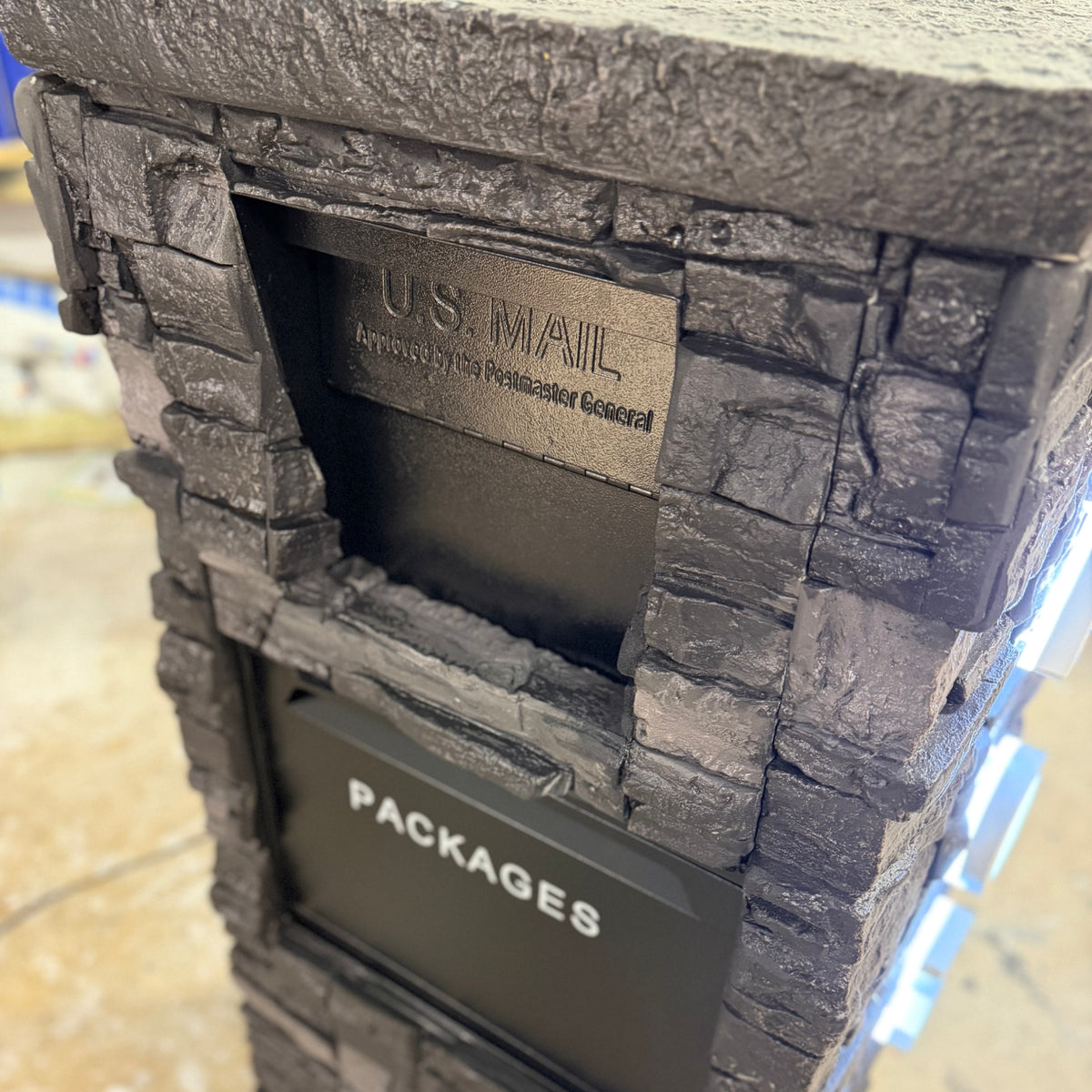
The VaultBox takes a drop through the top and holds it behind a lock, so the curb looks finished and the parcel stays put.
Our Package Vault and VaultBox Elite are designed around that one-way drop, with interior parcel clearance sized for the boxes that actually show up at a house, not just envelopes. They're USA-made and hand-built, cast and finished to read as architecture at the curb rather than a plastic bin bolted to the wall. And because few competitors will actually come out and set one, we offer nationwide professional installation, so the vault is anchored to spec instead of left leaning against the garage.
Prevention layers, honestly compared
Here's how the common options stack up on the only thing that matters, whether a stranger can still walk off with your delivery.
Open porch
Camera only
Bigger unlocked box
Our pickLocking package vault
Theft resistance
None; sitting in the open
None; it only records
Low; anyone can open it
High; drops in, locks, no reach-back-out
What it actually does
Nothing
Gives you evidence after the fact
Hides and holds, but doesn't secure
Physically keeps the parcel out of reach
Best for
No one, really
Deterrence plus claims
Occasional, low-value deliveries
Anyone who gets regular parcels
Weather protection
None
None
Some
Yes; enclosed and dry
Curb appeal
Clutter on the porch
Visible hardware
Utilitarian bin
Built to look like part of the home
Watch-out
Predictable target
Video won't refund you
Only as good as its lock
Size it to your typical parcels
Stack a few habits on top
A vault does the heavy lifting. These habits make it work even better and cost nothing.
Set delivery instructions. In your carrier and retailer accounts, tell couriers to use the vault or a specific spot. Most honor it.
Schedule or hold delivery. Time drops for when you're home, or hold at a facility for pickup when you'll be away for a stretch.
Turn on USPS Informed Delivery. The Informed Delivery preview shows you what's landing that day, so an empty vault when something was due is an early warning, not a week-late surprise.
Keep the camera anyway. It stops being your only defense and becomes what it's good at: a record for the rare claim.
One practical note on the vault itself: size it to the deliveries you actually get, not the smallest ones. A drop that only fits envelopes leaves the big boxes back on the porch, which defeats the point. Our VaultBox Elite is built with real parcel clearance inside, so a typical shipping box drops in and stays put. And because it's made to order, you approve a design mockup before we build, so the finish matches your home instead of fighting it. When it ships, our team can set it in concrete to spec so it's anchored for good, not tipping in a flowerbed.
How to choose
Match the layer to how you actually get deliveries. Most households land on the vault, because parcels arrive whether or not anyone's home.
You get parcels most weeks: go straight to a locking package vault. It's the only layer that removes the package from reach.
You want it to match the house: browse the package vault collection for faux-marble, stone, and modern finishes cast to read as architecture.
You're often away: combine a vault with scheduled or held delivery and Informed Delivery so nothing sits unattended for days.
You've already been hit once: don't wait for the second time. Thieves revisit easy porches, and a vault ends the pattern.
You want proof it holds up: read our customer reviews from homeowners who put one in after a theft.
The honest recommendation is simple. Handle the current theft with the retailer or carrier this week, then put in a locking vault so you're not filing that claim again next month. If you want help sizing one to your typical deliveries or matching it to your curb, tell us about your setup and we'll point you to the right drop.
Common questions
What's the first thing to do when a package is stolen?
Document it. Screenshot the tracking page showing "delivered," save the carrier's delivery photo, and note the time. Then contact the retailer or carrier for a replacement or refund. Having that evidence ready is what makes the claim go quickly.
Will the retailer or carrier actually refund a stolen package?
Often, yes. For most orders the seller owns the outcome and will replace or refund a delivered-but-missing item, especially on large marketplaces. If they route you to the shipper, file a carrier claim with your delivery scan and photos. Some higher-value refunds may ask for a police report number.
Does a security camera stop package theft?
Not really. A camera records the theft and helps with a claim, but it doesn't prevent it. To actually stop the theft you need the package physically out of reach, which is what a locking package vault does. Keep the camera as backup evidence, not as your only defense.
How does a package vault keep a courier able to deliver but a thief out?
The VaultBox and Package Vault use a one-way drop: a courier loads the parcel in through the top, and it falls behind a lock with no way to reach back out. You retrieve it with a key. Set clear delivery instructions so couriers know to use it.
How common is package theft?
Common enough that it's tracked in a national report every year by Security.org. It's a predictable risk for any open porch, not bad luck, which is why a secure drop is worth putting in before it happens rather than after.
Dream Mailboxes Team
Custom & modern mailboxes, built for the curb
We design and build secure package vaults and locking mailboxes, hand-built in the USA and installed nationwide. This guide comes from the calls we get most: a homeowner who just lost a delivery and wants to make sure it's the last one. See how they've held up in our customer reviews.


 Dream Mailboxes Team
7 min readUpdated August 2026
Dream Mailboxes Team
7 min readUpdated August 2026