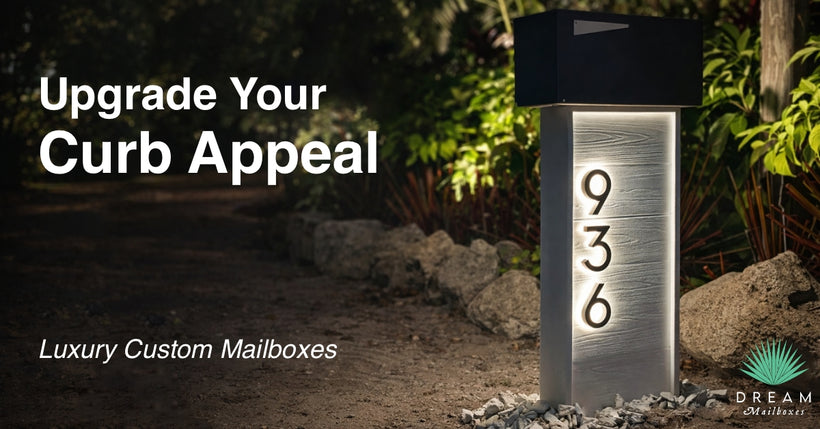
LED Backlit Address Numbers, Explained
Illuminated house numbers look great in the listing photo. The real question is whether they earn their place after dark, on your street.
 Dream Mailboxes Team
5 min readUpdated July 2026
Dream Mailboxes Team
5 min readUpdated July 2026

USA Made custom mailboxes. Shop our modern, mid-century, contemporary, wall mounted mailboxes...
Illuminated house numbers look great in the listing photo. The real question is whether they earn their place after dark, on your street.
Dream Mailboxes Team
5 min readUpdated July 2026
The short answer
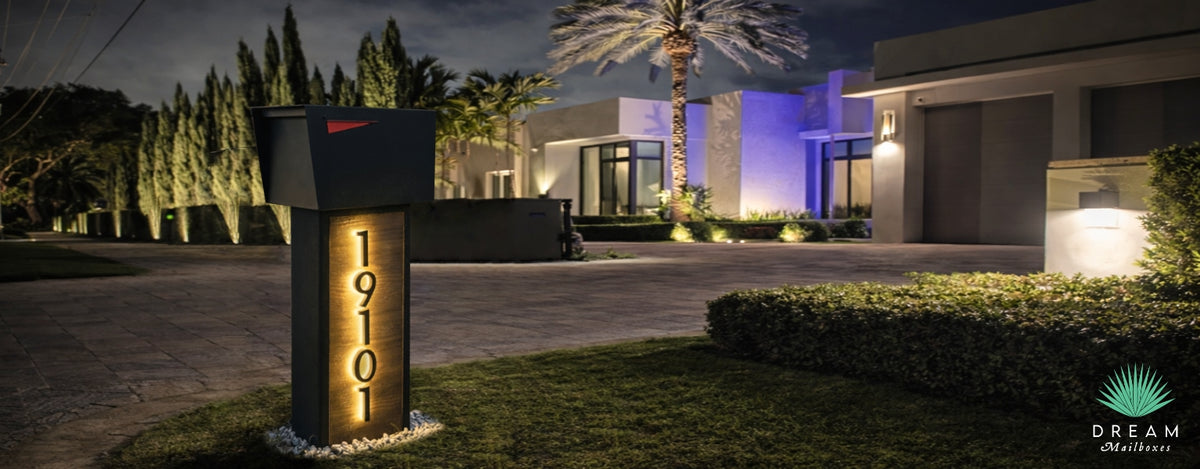
Usually yes, if your home is hard to spot after dark. A backlit LED address number makes your house legible to emergency responders, delivery drivers, rideshares, and guests when it matters most. Skip it if you're on a bright urban street where the number is already easy to read, or if you're renting and can't run wiring. For most driveways it's a small upgrade that pays off the first time someone's looking for you at night.
You've probably driven slowly past a row of dark houses, squinting for a number that either wasn't there or wasn't lit. That's the exact problem a backlit address number solves. The question isn't whether a lit number is nice, it clearly is. The question is whether your specific home actually needs one, or whether you'd be paying for glow you don't use.
A house number that's easy to read at night is a small safety feature, not just a design flourish. Ready.gov notes that a clearly visible address helps emergency responders reach you faster, and seconds count when someone has dialed for help. The same legibility that helps a paramedic helps the less dramatic traffic too: the delivery driver double-checking the porch, the rideshare confirming the pickup, the dinner guest who's never been to your place.
Your mail carrier belongs on that list. The U.S. Postal Service's mailbox guidelines expect a mailbox to carry a legible, correctly placed house number so a carrier can confirm the right stop without leaving the vehicle. A number that's crisp in daylight but disappears at dusk is only doing half its job, and a backlit panel keeps it doing the whole job around the clock.
Behind the finish, there isn't much to fear. Most illuminated numbers fall into two camps, and the right one depends on how much wiring you're willing to run.
A low-voltage LED panel ties into the same kind of transformer that runs landscape lighting, or into an existing exterior circuit. It's the brightest, most consistent option, and it doesn't care whether the sun came out that day. The trade is install effort: you're running a wire, which is easy to plan before the box goes in and more of a project after. Our install instructions cover getting the box and its wiring set at the same time.
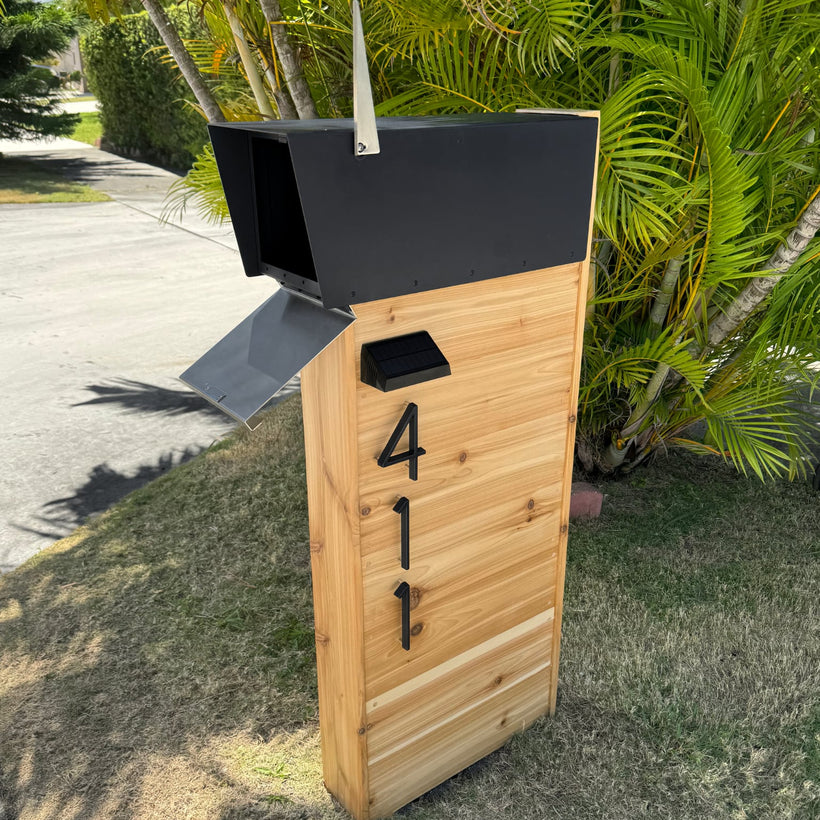
A solar-charged number skips the wiring entirely. A small panel banks daylight and drives the LEDs at night, which makes it the obvious pick for a spot where trenching a cable isn't practical. Expect the output to be gentler than a hardwired panel and to depend on how much direct sun the location banks each day. Either way, look for a dusk-to-dawn sensor so the number lights itself instead of relying on a switch you'll forget.
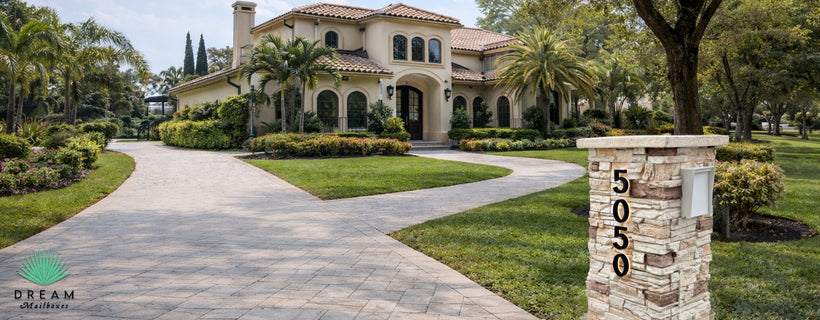
There's a softer case too. A clean, lit number reads as a cared-for home, and exterior details are where that impression gets made. This Old House frames curb appeal as one of the lowest-cost ways to change how a home first reads, and the National Association of Realtors' research ties exterior updates to how buyers weigh a property's value. A backlit number won't sell a house on its own, but it's the kind of detail that makes the whole front of the home look intentional in an evening showing photo.
"If a stranger has ever had to call you from the end of the street asking which house is yours, you already know whether it's worth it."
— Dream Mailboxes install team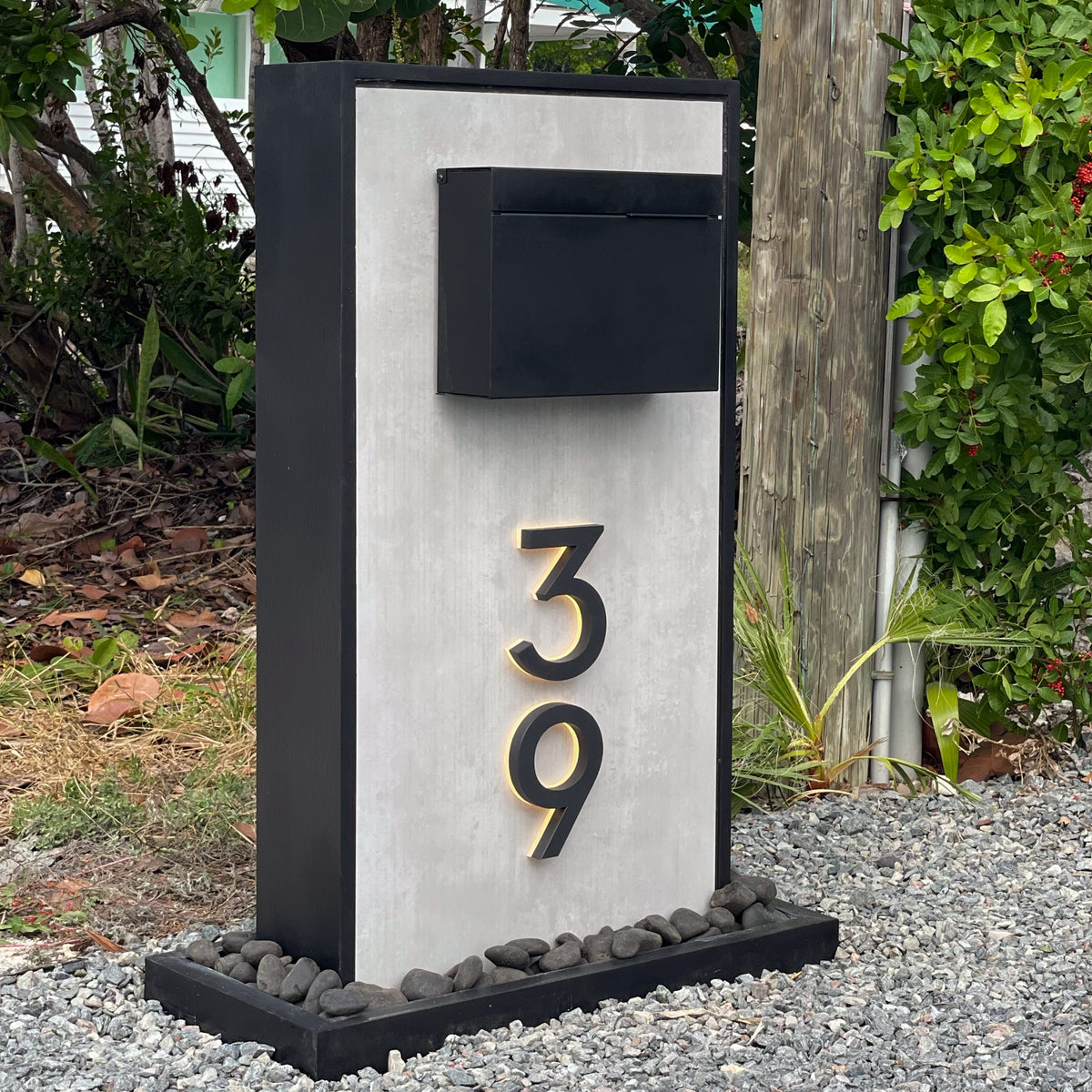
Not every home needs one, and it's worth saying so. If you're on a bright, well-lit urban block where a passing car's headlights already catch a clear number, the practical benefit shrinks to almost nothing. If your street number is large and already lit on the house itself, a second lit number at the curb is redundant. And if you're renting or the setup is temporary, running low-voltage wiring for a box you'll leave behind rarely makes sense; a plain high-contrast number does the job for now.
| Your situation | Clear yesWorth it | Probably skip it |
|---|---|---|
| Long or dark driveway | A lit number is often the only thing visible from the road | — |
| Frequent deliveries & rideshares | Drivers find you on the first pass, day or night | — |
| Rural or unlit street | Helps responders and guests locate the home fast | — |
| Bright, well-lit urban block | — | Headlights and streetlights already do the work |
| Number already lit on the house | — | A curbside version would be redundant |
| Renting or temporary setup | — | A high-contrast plain number is the smarter spend |
Stand at the end of your driveway after dark and try to read your own number the way a stranger would. If you can't, the upgrade is easy to justify. From there it's mostly matching the option to the site.
The honest verdict: if your home is hard to find at night, a backlit address number is one of the smallest upgrades with the most obvious payoff. If it's already easy to read, put the money elsewhere. Not sure which camp you're in? Tell us about your site and we'll give you a straight answer.
For most homes that are hard to spot after dark, yes. A backlit number helps responders, delivery drivers, and guests find you at night. If you're on a bright, well-lit street where the number already reads clearly, the benefit is small.
Not necessarily. Low-voltage or hardwired panels are the brightest and most consistent, while solar-charged numbers skip the wiring for spots where running a cable isn't practical. Either way, look for a dusk-to-dawn sensor so it lights itself.
A clearly visible address helps. Ready.gov notes that a legible, visible house number helps emergency responders reach you faster, and a lit number keeps that legibility after dark when it's hardest to read.
Solar output is gentler than a hardwired panel and depends on how much direct sun the spot banks each day. For a location that gets good daylight it's plenty to make the number readable; for a shaded or north-facing spot, low-voltage wiring is the safer choice.
Often yes, but it's easier to plan than to retrofit, especially for a hardwired panel. If you're buying a new box, set the number and its wiring at the same time; our install instructions walk through doing both in one pass.
We build LED backlit number mailboxes alongside aluminum and composite boxes for homeowners who care how the front of the house reads. These guides come from questions our customers actually ask before they buy.
Everything to get right before the box goes in the ground.