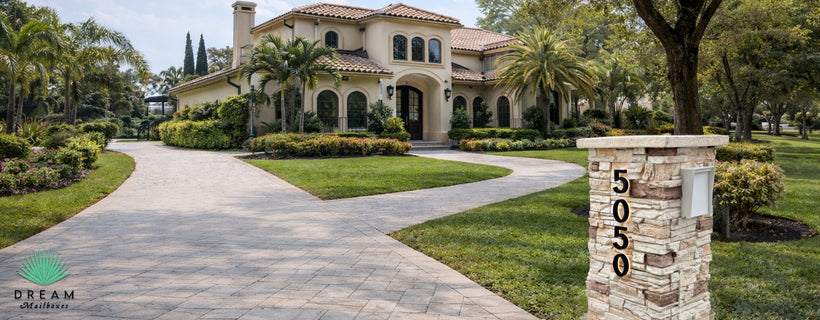
If your mail piles up faster than you clear it, the fix usually isn't checking more often. It's a box sized for the way your household actually receives.
Dream Mailboxes Team6 min readUpdated July 2026
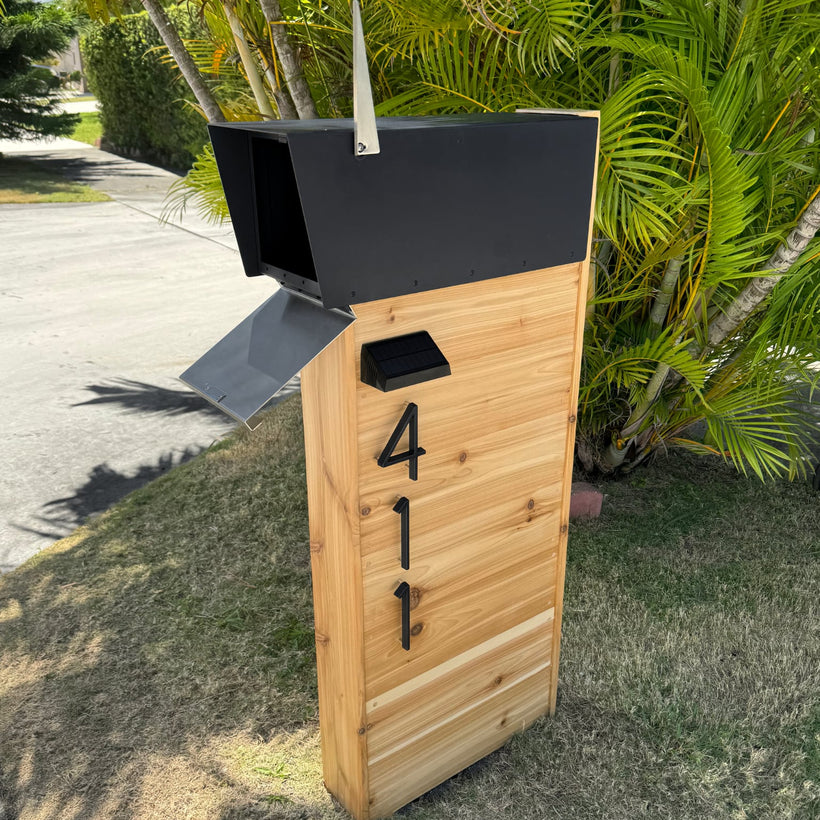
A deeper box buys you a margin: a few days of mail without the door fighting to close.
The short answer
If your household gets a lot of letter mail and the occasional small parcel, an extra-large mailbox keeps a few days' worth from jamming the door and crushing everything inside. But be honest about what you're really receiving: once actual packages are the norm, no letter box is the answer, and a locking parcel drop is. Bigger still has to mean USPS-compliant, so mount it to spec whatever size you choose.
There's a specific kind of daily annoyance this guide is about. You open the mailbox and everything is wedged in at an angle, the magazines are curled around the day's envelopes, and a padded mailer is folded in half because the carrier had to force the door. It's not that you're getting an unusual amount of mail. It's that a standard box was built for a lighter era, and your household outgrew it. Sizing up is the quiet fix, and for the right home it's the right one.
Who actually needs extra-large
Not everyone does. A standard box is genuinely fine for a household that checks the mail daily and gets a normal trickle of letters. Extra-large earns its keep for a specific set of situations, and it's worth being honest about whether you're in one of them.
Big families: more people means more mail, and more days when nobody gets to the curb until evening.
Home offices and small businesses: statements, checks, and correspondence add up fast when the house is also a workplace.
Frequent travelers: if mail routinely sits for two or three days while you're away, capacity is what keeps it from overflowing.
Heavy catalog and subscription mail: magazines and catalogs are bulky and don't compress, so they eat depth quickly.
Regular small parcels: padded mailers, small boxes, and anything thicker than a letter needs room a standard slot doesn't have.
What "extra-large" actually buys you
Size isn't the point. Margin is. A deeper, taller box gives your household a buffer: a couple of days of accumulated mail can sit without the door bowing open or the newest arrivals crushing what's underneath. That's the real payoff, and it's worth describing plainly rather than dressing up with invented capacity math.
Practically, an extra-large box gives you three things. It fits the day's bulky mail flat instead of curled. It has the depth to take a small box or a padded mailer without forcing the door. And it protects the whole stack, because mail that isn't jammed doesn't arrive creased and torn. For a high-volume home that already reads its mail in a pile at the end of the day, that margin is the entire value.
41–45 inUSPS's expected height from the road surface to the bottom of a curbside box, set 6–8 inches back from the curb face. Larger boxes still have to meet USPS standards and hit the same placement target.
Source: USPS — Mailbox Guidelines
The sizing decision, in order
There are really four rungs on this ladder, and most people only need to know which one they're on. The mistake is jumping to the biggest letter box when the actual problem is packages, or staying on a standard box out of habit when the household clearly outgrew it.
Standard
Large
Best for high mail volumeExtra-large
Parcel drop
Typical capacity
A day of letters
Letters plus a bit of bulk
A few days of mail and bulky catalogs
Actual boxes, held securely
Fits small parcels
Rarely
Sometimes, if they're thin
Yes, padded mailers and small boxes
Yes, that's the whole job
Best for
Light, daily-checked households
Average families
Big families, home offices, travelers, heavy catalog mail
Homes that mostly receive packages
Watch-out
Jams and crushes when mail stacks up
Still tight for catalogs and mailers
Not a substitute for a locking box if theft is the worry
Overkill if you rarely get parcels
Read the table honestly and the line to draw is clear. If your problem is volume of mail, extra-large is the pick. If your problem is packages, an XL letter box only delays the real answer, which is a secure drop.
"People ask us for the biggest mailbox we make, and half the time what they actually need is a parcel box. Count what you get for a week before you size up."
— Dream Mailboxes install team
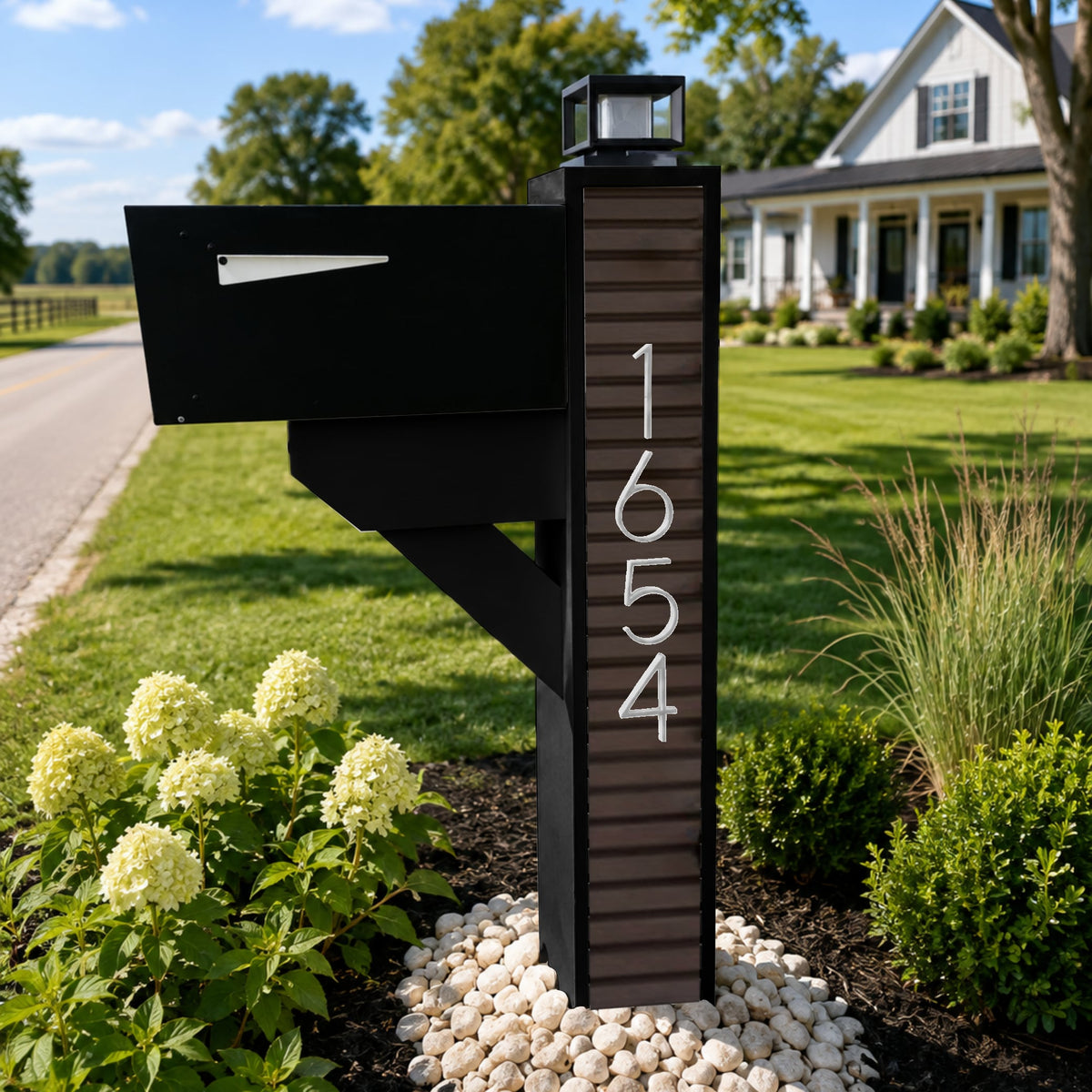
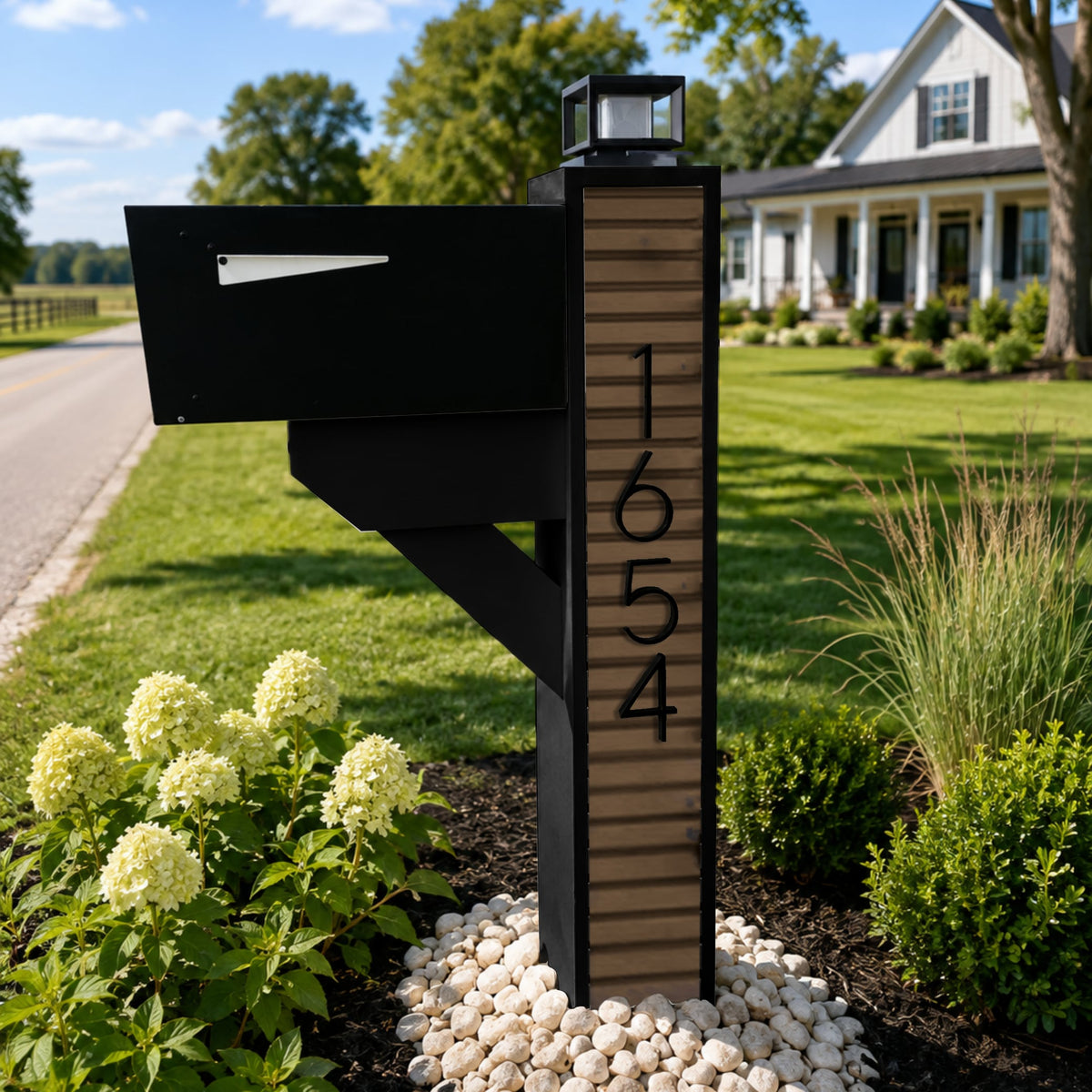
A composite build in extra-large: the depth for a full day's mail, without the bulk reading as an appliance at the curb.
The honest limit: when to stop sizing up
Here's the line most guides won't draw for you. An extra-large letter box is the right tool for a lot of mail. It is the wrong tool for a lot of packages. If you're regularly receiving boxes, no amount of extra depth in an open-door mailbox solves the two problems that come with parcels: they don't fit through a mail slot, and an unlocked box leaves them sitting in the open. At that point the upgrade isn't a bigger mailbox, it's a locking parcel drop built to hold and secure what carriers actually leave. Buying the largest letter box you can find won't fix a package problem; it just makes a bigger letter box.
USPS rules still apply, whatever the size
Going bigger doesn't exempt you from the standards. A larger curbside box still has to meet USPS mailbox guidelines, and the placement rules don't change with capacity: the bottom of the box sits 41–45 inches off the road and 6–8 inches back from the curb face so a carrier can reach it from the vehicle. Established manufacturers build to those standards; getting the mount right is the homeowner's job, and our install instructions walk through it. It's worth knowing your day's volume in advance, too, and USPS Informed Delivery previews the mail and tracks packages heading your way, so you know whether today needs a quick check or can wait.
A note on material at this size
Bigger boxes are heavier boxes, so the build matters more, not less. Aluminum keeps an extra-large box light and rigid, resists rust and coastal air, and holds a clean modern line even at scale. Composite brings a warmer, more substantial look and won't rot, warp, or fade, which reads better on a larger face where a thin panel would look flimsy. Either handles the size well; pick the one that suits your curb.
How to choose for your household
Do one thing before you buy: watch a normal week. Count what actually lands in the box and note how often it's mail versus a package. That single observation sorts almost everyone.
Lots of letters and catalogs, rarely packages: an extra-large mailbox is the clean fix.
Home office or small business: size up for the paper volume, and lean toward a durable composite build that reads professional at the curb.
You travel and let mail accumulate: capacity is the point, so buy for the pile that builds over three days, not the trickle of one.
Mostly packages now: skip the bigger letter box and move to a locking parcel drop instead.
Not sure which side of the line you're on: use Informed Delivery for a week to see the real mix before you spend.
The honest recommendation is unglamorous: match the box to what your household truly receives, size for the pile rather than the day, and don't ask a letter box to do a parcel box's job. If you're on the fence about which fits your volume, talk it through with us before you order.
Common questions
How big is an extra-large mailbox?
Bigger in every dimension than a standard box, with the depth and height to hold a few days of mail plus bulky catalogs and small padded mailers flat instead of curled. Browse the extra-large collection for exact dimensions on each model, since they vary by design.
Will an extra-large mailbox fit packages?
It fits small parcels and padded mailers, which is often enough for a household that mostly gets mail. For actual boxes on a regular basis, a locking parcel drop is the right tool, because it's built to hold and secure what carriers leave.
Do larger mailboxes still have to meet USPS rules?
Yes. A bigger curbside box still has to meet USPS standards and be mounted to the same placement spec: 41–45 inches high and 6–8 inches back from the curb face. Capacity doesn't change the placement rules.
Should I buy an XL mailbox or a package box?
Count a week of deliveries first. If it's mostly letters and catalogs, size up to an extra-large box. If it's mostly packages, a bigger letter box won't help; a locking parcel drop is what you want.
How do I know how much mail I get in a day?
USPS Informed Delivery previews the day's incoming mail and tracks packages, so you can watch the real volume for a week before deciding what size you actually need.
Dream Mailboxes Team
Custom & modern mailboxes, built for the curb
We build extra-large, aluminum, and composite mailboxes for homes that outgrew the standard box. These guides come from the questions our customers ask before they buy.
Sources & further reading
USPS — Mailbox Guidelines (curbside standards, height and setback that apply at any size)


 Dream Mailboxes Team
6 min readUpdated July 2026
Dream Mailboxes Team
6 min readUpdated July 2026