How to Stop Package Theft at the Curb
Porch pirates don't pick locks, they pick easy targets. A layered setup at the curb removes the easy part.
 Dream Mailboxes Team
8 min readUpdated July 2026
Dream Mailboxes Team
8 min readUpdated July 2026

USA Made custom mailboxes. Shop our modern, mid-century, contemporary, wall mounted mailboxes...
Porch pirates don't pick locks, they pick easy targets. A layered setup at the curb removes the easy part.
Dream Mailboxes Team
8 min readUpdated July 2026
The short answer
Stop package theft with layers, not one gadget. Add a locking parcel drop box a courier can deposit into but a thief can't reach back out of, keep letter mail in a locking mailbox, and pair both with smart delivery habits so packages spend as little time exposed as possible. A bigger standard box is not a fix, because if a hand can reach in, so can theirs.
The moment a package lands on your step, a clock starts. Most deliveries are safe most days, but the ones that aren't tend to follow a pattern: a box left in plain view, on a quiet street, for hours, with nobody home. Theft at the curb is common enough that Security.org publishes a national package-theft report every year tracking how many households have had a delivery taken. You can't control the report. You can control how long your packages sit out and how hard they are to grab, and that's what actually moves the odds.
The fix isn't one purchase, it's a stack. Each layer below closes a gap the layer above leaves open, and together they turn your curb from an easy target into one a thief walks past.
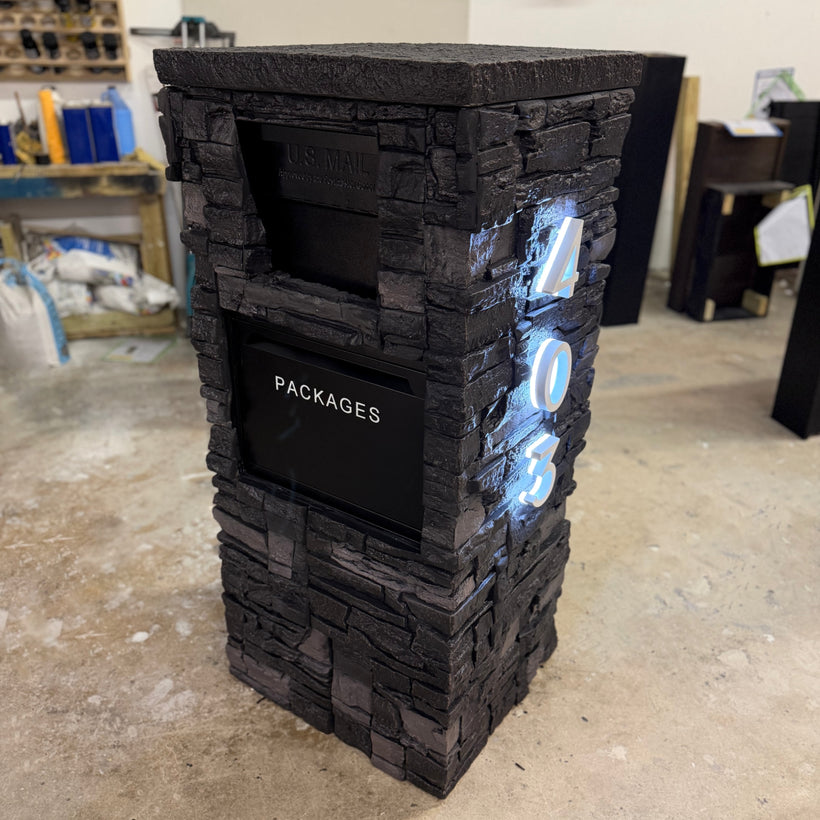
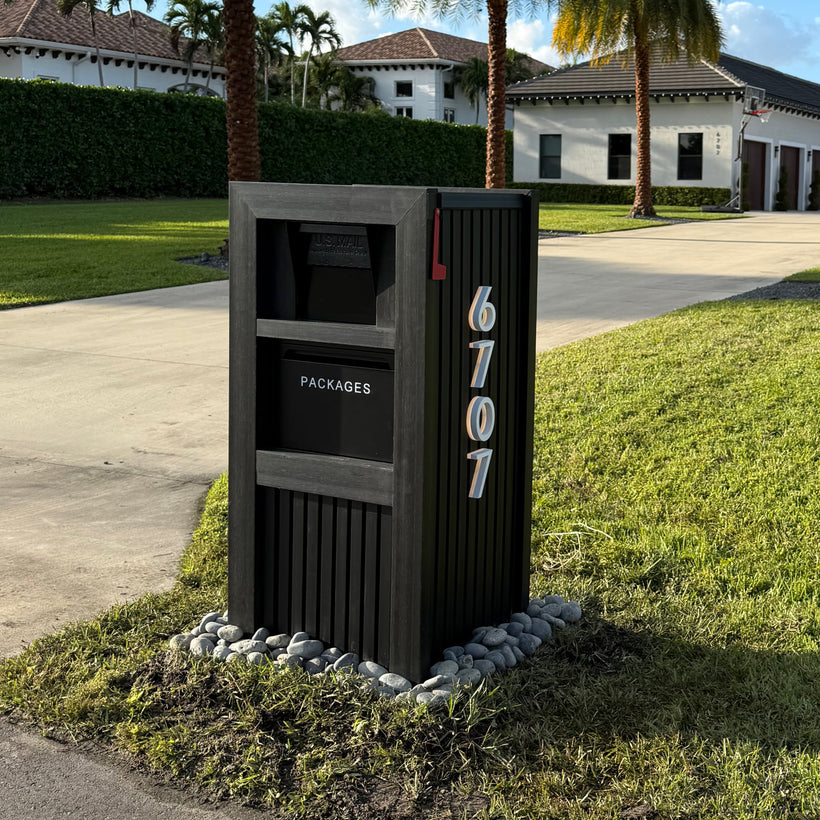
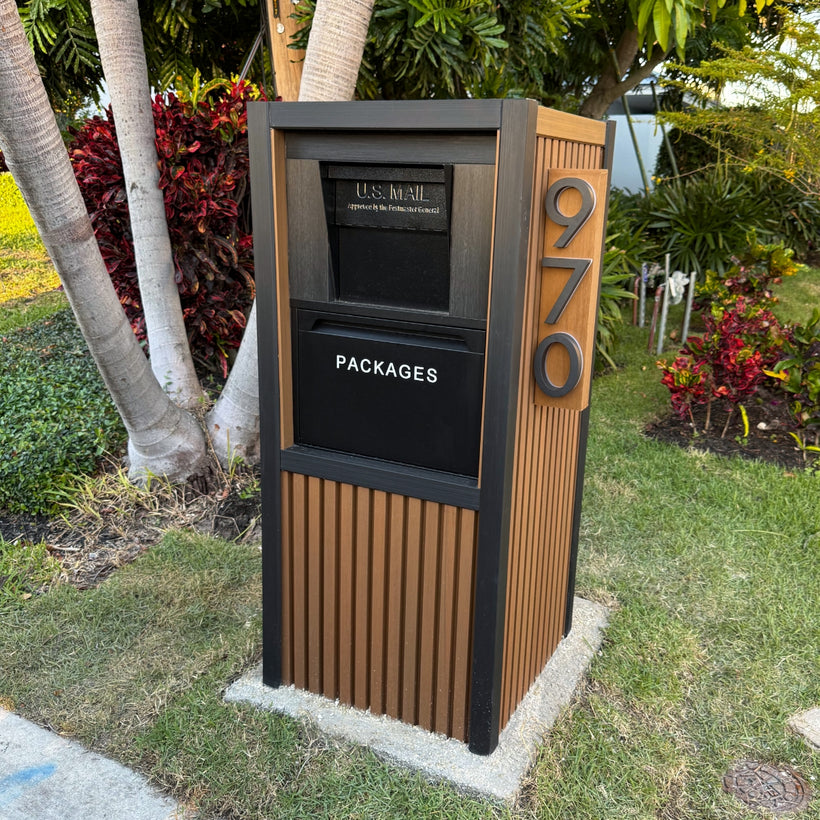
The single biggest change you can make is giving packages a place to land that isn't the ground. A locking parcel drop box is built around one idea: a hinged, one-way chute or anti-theft baffle lets a carrier drop a box inside, but the design keeps a hand from fishing it back out. Once it's in, it's locked in, and you retrieve it with your key or code when you get home.
This is the layer that defeats the classic grab-and-go. A thief cruising the street sees no box on the step and no way into the vault, so there's nothing to take and no reason to stop. Size matters here: buy a drop with a chute deep and wide enough for the parcels you actually receive, because a vault a box won't fit through just sends couriers back to leaving it on the ground.
Packages get the headlines, but letter mail is where quieter theft happens, and the stakes are checks, cards, and the account numbers that feed identity fraud. A locking mailbox takes an incoming slot that mail drops through and a locked compartment below it, so a carrier delivers normally while your mail sits behind a lock until you open it.
Think of the parcel drop and the locking mailbox as a matched pair rather than a choice between them. One handles the big stuff, the other handles the sensitive stuff, and neither leaves anything valuable sitting where a passer-by can reach it. On many curbs the two live side by side.
Hardware shrinks the target; habits shrink the window. The less time a package spends exposed, the less any of this matters, and most of these cost nothing.
The Postal Service's Informed Delivery emails you a preview of the mail and packages arriving that day, so you know when something valuable is due and can plan to be there or have the vault ready. Awareness alone closes the "it sat out for six hours because I didn't know" gap.
Most carriers honor delivery instructions: tell them to use the parcel vault, a side door, or a specific spot out of street view. Where a signature or a scheduled slot is an option, use it, since a package that arrives when you're home never sits out at all. Holding delivery until you're back from a trip beats any lock for the days you're away.
If a delivery won't fit your drop, routing it to a locker or a pickup point for that one order keeps it off the step entirely. You don't need this for everything, just for the oversized or high-value items your vault can't swallow.
Where the box sits changes how it works. A vault set to the same USPS placement expectations as any curbside box, roughly 41–45 inches to the bottom and 6–8 inches back from the curb, keeps carriers able to deliver without leaving the vehicle, which is exactly when they'll actually use it. Bolting or anchoring a heavy drop box to a footing also takes "walk off with the whole thing" off the table.
Visibility cuts both ways. You want the box reachable by a carrier and, ideally, within sight of your door or a window, but you don't want packages themselves visible from a passing car. A lit address number helps a late carrier find the right drop after dark, which means fewer "left it next door" mistakes.
A camera is worth mentioning even though we don't sell them. A visible doorbell or curb camera is mostly a deterrent, it rarely gets a package back, but a thief who sees a lens and a locked vault has two reasons to skip your house instead of one. Treat it as the top layer, not the foundation.
| Standard mailbox | Locking mailbox | Best for packagesLocking parcel drop | |
|---|---|---|---|
| Fits packages | Small parcels only | Letters and thin parcels | Boxes, up to the chute size |
| Theft resistance | None; open access | Mail is locked away | Drop-in, no reach-back-out |
| Who it's for | Low-theft, letters only | Protecting sensitive mail | Anyone who gets packages |
| Retrieval | Open the door | Key or code | Key or code, on your time |
| Leaves items exposed | Yes, in reach | Only oversized parcels | No; sealed until you open |
| Watch-out | Bigger isn't safer | Won't fit boxes | Size the chute to your parcels |
"A locking box only works if the carrier can use it in three seconds without getting out of the truck. Get the height and setback right and it protects everything after."
— Dream Mailboxes install team
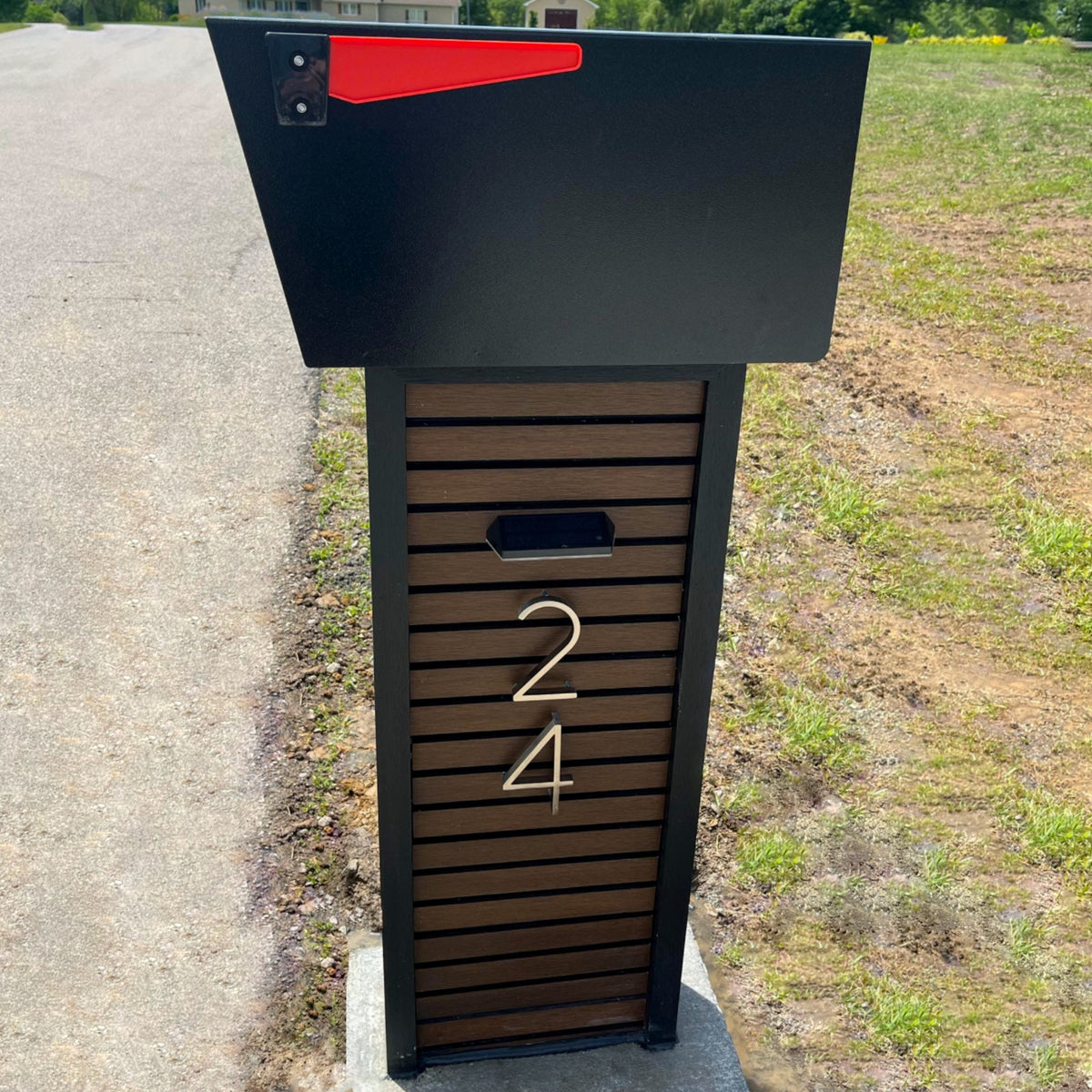
The tempting shortcut is to buy the largest open mailbox you can find and call it package protection. It isn't. An extra-large mailbox solves a real but different problem, a household that gets so much mail the box jams, and it's the right buy for that. What it doesn't do is stop theft, because capacity and security aren't the same thing. If your hand can reach the package, so can anyone else's, and a big open box just means a bigger, more visible target sitting in the open.
Volume is a sizing question. Theft is a lock question. Answer each with the right tool: size up when mail piles up, lock up when packages disappear, and don't expect one box to do both jobs it wasn't built for.
Start with the layer that closes your biggest gap, then add outward. For most homes that means a parcel drop first, a locking mailbox alongside it, and habits on top.
No single layer is perfect, and stacked, they don't have to be. Get the parcel drop and the locking mailbox placed to spec, add the free habits, and the exposed window that theft depends on mostly disappears. Not sure which drop fits your parcels or your curb? Tell us what you order and we'll point you to the right size.
A carrier drops your package through a one-way chute or baffle into a locked vault, and the design keeps a hand from reaching back in to pull it out. You retrieve it with a key or code, so the package never sits exposed on the step.
No. An extra-large mailbox solves high mail volume, not theft. If a hand can reach the package, it isn't secure, so size up for capacity but add a lock for security.
Usually yes. A parcel drop handles boxes, while a locking mailbox protects the checks, cards, and account numbers in your letter mail. Most curbs run the two side by side.
Informed Delivery previews the mail and packages arriving that day, so you know when something valuable is due and can be home or have the vault ready. Awareness alone shortens how long a package sits out.
Follow the same USPS placement expectations as any curbside box, roughly 41–45 inches to the bottom and 6–8 inches back from the curb, so carriers can use it from the vehicle. Anchoring a heavy drop to a footing also stops anyone walking off with the whole unit.
We design and build locking parcel drops, locking mailboxes, and extra-large boxes for homeowners who'd rather not gamble on the front step. These guides come from questions our customers actually ask before they buy.
Everything to get right before the box goes in the ground.