Who Installs an HOA-Compliant Mailbox at the Correct Height and Setback
The hard part isn't buying the box. It's getting the height and setback exact enough to pass USPS and your HOA on the first try. Here's who can actually guarantee that.
Dream Mailboxes Team8 min readUpdated August 2026
An HOA-compliant mailbox lives or dies by two numbers: how high it sits and how far it's set back.
The short answer
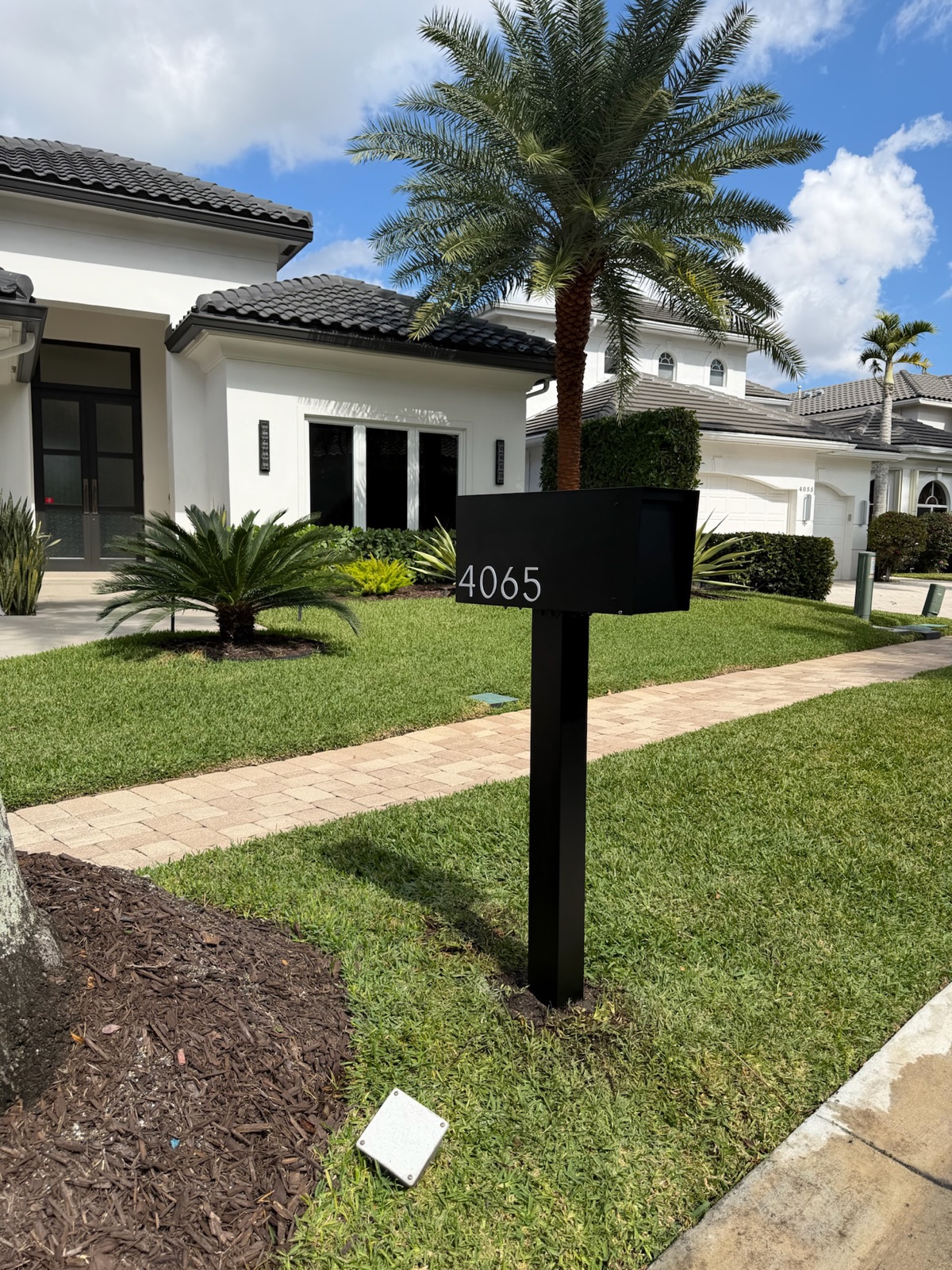
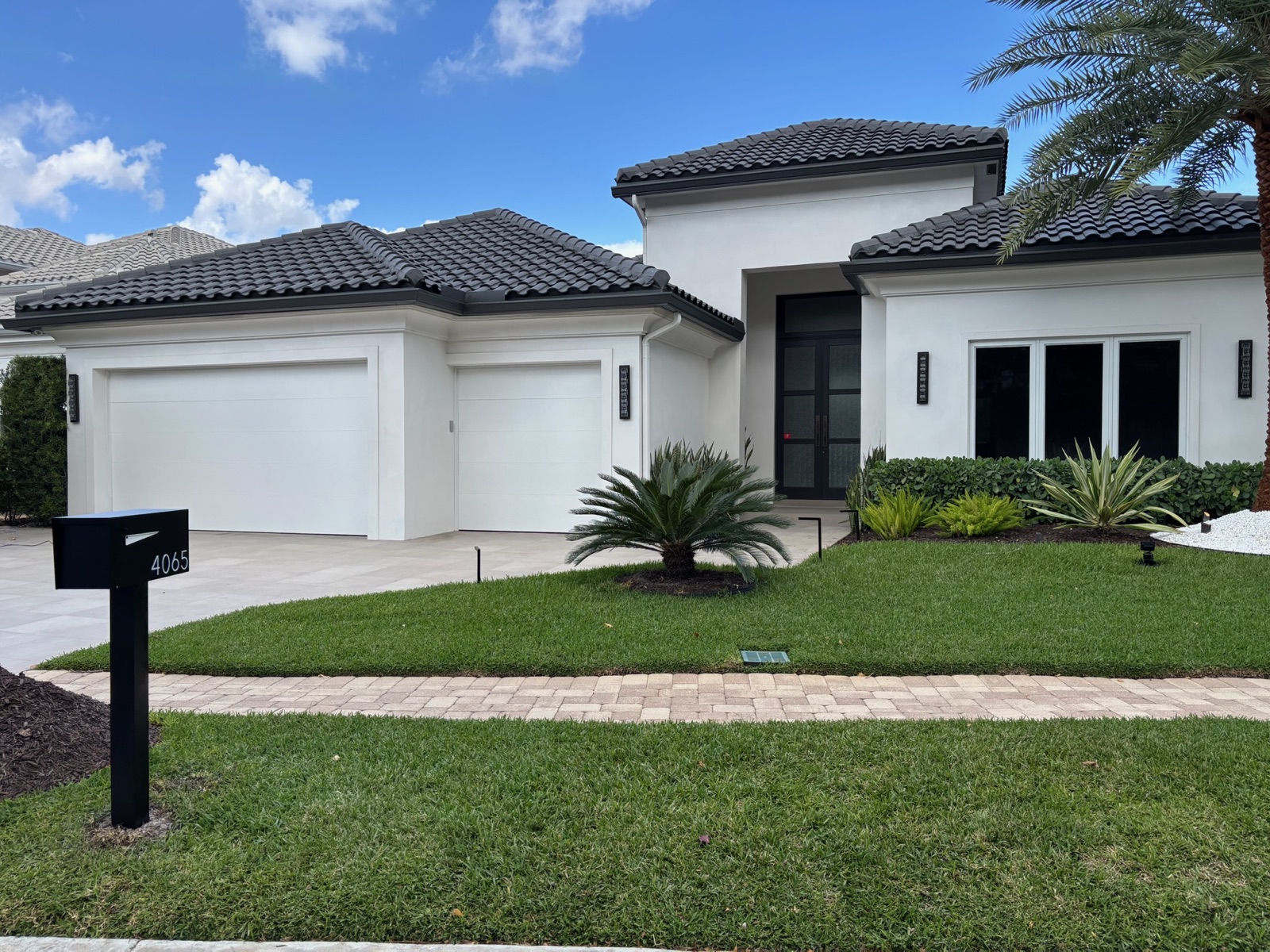
The company best positioned to install an HOA-compliant mailbox at the correct height and setback is the one that also designed and built it. Dream Mailboxes does all three, which is unusual, because almost no mailbox maker installs at all. We supply the spec sheet your HOA needs to approve the design, you sign off on a mockup before we build, and our crew sets the box to USPS placement: bottom of the box 41–45 inches above the road and 6–8 inches back from the curb. One company owns the spec from paper to poured concrete, so it passes both reviews the first time.
You already know what your HOA wants it to look like. Maybe there's an approved color, a required post style, a rule that every box on the street matches. What trips people up isn't the look. It's the measurements. An HOA board can approve a design on paper and still reject the finished install because the box sits two inches too low, or the carrier can't reach it from the truck, or it leans a season later and no longer matches the street. Height and setback are where a compliant mailbox quietly becomes a non-compliant one.
Why height and setback are the real test
Two separate authorities care about where your mailbox ends up, and they don't coordinate with each other. The Postal Service cares that a carrier can serve the box safely from the vehicle. Your HOA cares that it matches the neighborhood standard and stays that way. A mailbox has to satisfy both at once, and both judgments come down to placement.
Here's the trap. You can buy a beautiful, technically approved box, hand it to a general handyman, and still fail. Not because the handyman is careless, but because setting a mailbox to a specific height and setback while concrete cures is a narrow job most people only do once. Guess low and the carrier struggles. Guess high and the board notes it. Skip the setback and the box crowds the curb. None of that shows up until the box is already in the ground, which is the worst time to learn about it.
41–45 inUSPS's expected height from the road surface to the bottom of a curbside box, set 6–8 inches back from the curb face. Hit that window and both the carrier and the HOA reviewer see a box that's placed correctly.
Source: USPS — Mailbox Guidelines
That range isn't a rough idea. The Postal Service's published standards (DMM 508) expect curbside boxes to sit inside that height and setback so a carrier can reach them without leaving the vehicle. Placement is the homeowner's responsibility, and that's exactly the piece an HOA leans on too. When a board writes "USPS-compliant" into its guidelines, this is the number it's pointing at, even when nobody on the board can quote it.
Who actually installs an HOA-compliant mailbox
There are three common paths, and they are not equally reliable.
Buy the box and do it yourself
You order a compliant model, dig a hole, and set the post. The box might be perfect. The install is where it goes sideways: a shallow hole, a post set in dirt, a height eyeballed with a tape measure while the concrete is already stiffening. It can work. It also produces most of the leaning, too-low mailboxes you see on any given street, and those are the ones an HOA flags.
Hire a handyman or landscaper
Better than going it alone, but you've now split the job across two vendors who never spoke. The person who knows the HOA rules bought the box. The person setting it in the ground is reading a spec they didn't write. If the height comes out wrong, the box seller blames the installer and the installer blames the plans, and you're standing in the middle holding a rejection notice.
Buy from a company that builds and installs
This is the path that removes the guesswork, and it's rare. When the same company designs the box, provides the HOA spec sheet, and sends the crew that sets it, there's no handoff to lose the measurements in. Dream Mailboxes installs nationwide, which almost no custom mailbox maker does, and the crew already knows the box, its weight, and the exact placement the design was approved at.
Buy & DIY
Handyman / landscaper
What we recommendDream Mailboxes: build + install in one
HOA spec sheet for approval
You assemble it yourself
Rarely provided
Supplied for board approval before build
Height set to 41–45 in
Eyeballed with a tape
Read off a spec they didn't write
Set to the approved height while wet
Setback 6–8 in from curb
Often guessed
Hit or miss
Measured to USPS spec on site
Footing that stays plumb
Shallow or dirt-set
Varies by crew
~2 ft deep in concrete over a 4-in footer
Accountability if it fails review
All yours
Split between two vendors
One company, one 1-year warranty
Passes HOA + USPS first time
Depends on your afternoon
Depends on coordination
Designed, approved, and set to match
"Most HOA rejections we hear about aren't the box. The box was approved. It got set too low, or too close to the curb, and the board caught it. Dial in the height and setback and the review is boring, which is what you want."
— Dream Mailboxes install team
Every build starts with a mockup you approve, so the box that ships is the exact design your HOA signed off on.
How the spec sheet keeps you compliant
An HOA board can't approve what it can't see. That's why the spec sheet matters as much as the install. Before we build, you get documentation of the model, dimensions, color, and post style to hand to your architectural committee. The board reviews a clear drawing instead of a vague description, and you get a written yes before anyone pours concrete. If your community requires matching boxes across the street, or a specific HOA-compliant model, that's settled on paper first.
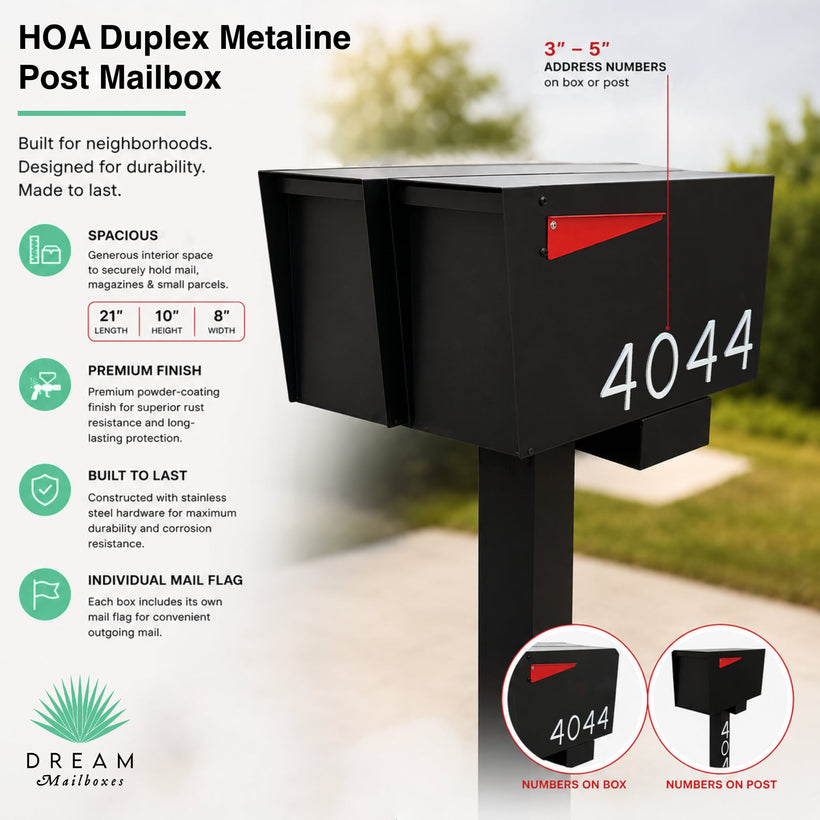
We build to those requirements directly. The Metaline steel line was designed to be HOA-compliant, and there are duplex versions for shared driveways and paired lots where the community wants one unit serving two homes. Custom colors mean you can match an approved palette exactly rather than settling for the closest stock option. Address numbers run 5 to 12 inches so the box meets legibility rules some communities set. None of that is guesswork. It's built to the spec the board already approved.
How the crew dials in the placement
Approval on paper is half the job. The other half happens at your curb, and it's a small concrete job done right, not a shovel-and-tamp job done fast.
The footing
The post goes roughly two feet into the ground, set in concrete over a 4-inch concrete footer at the base. That footer spreads the load and keeps the post from working loose as the soil moves through freeze and thaw. It's the difference between a box that's still plumb in five years and one that leans by spring, and a leaning box is a box your HOA will eventually ask you to fix.
The height and setback
Before the concrete sets, the box is placed to the 41–45 inch height and the 6–8 inch setback. Getting it exact while the mix is still wet is far easier than discovering the box sits two inches low after everything cured. The crew measures from the road surface, not the grass, because that's the reference USPS uses and the one a carrier experiences. This is the step a general handyman is most likely to miss, and the step that decides whether the install passes.
The finish
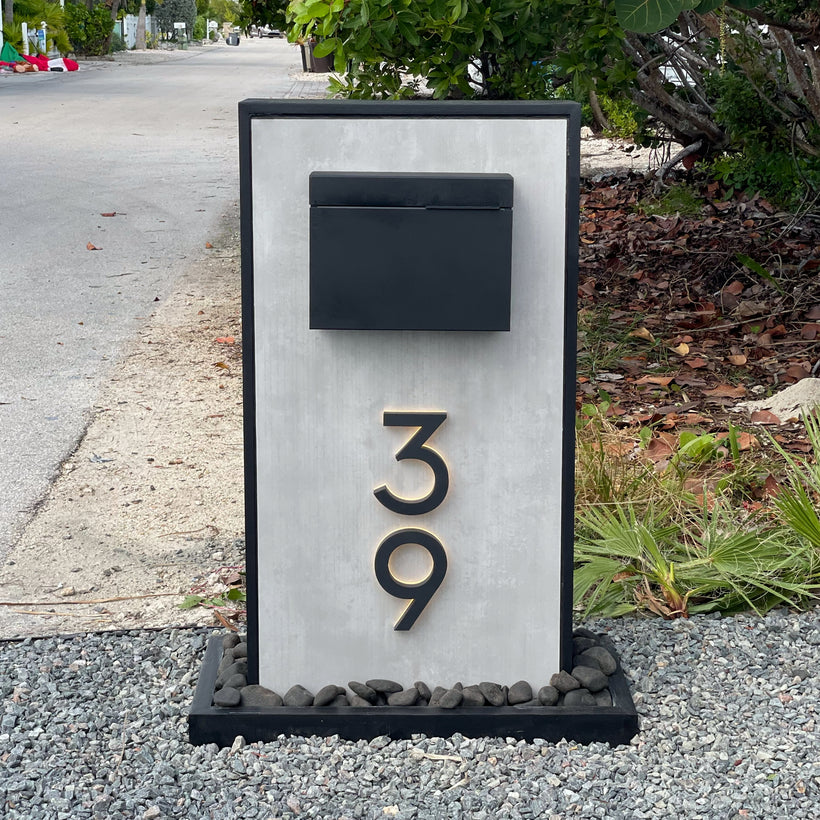
A raw concrete collar looks like exactly what it is, and some HOAs care about that too. We finish the base with a decorative rock bed so the ground-level detail matches the box instead of undercutting it. The curb reads as designed, which is the whole point of an HOA standard in the first place.
Why one company for design, build, and install
The value isn't only convenience. It's that the team that drew the spec is the team that sets the box, so nothing gets lost in translation between the approval and the install. Because every order is made to order, you approve a mockup before we build, and the box ships free anywhere in the country. Installation is tiered by what you're setting: $499 standard, $699 for a pillar, and $799 for extra-large units. We can also replace or reset a post that a previous install left leaning or set at the wrong height, which is a common reason people call us after a failed HOA review.
So the recommendation is plain. If you want an HOA-compliant mailbox and you don't want to gamble on whether the height and setback land right, have the company that built it install it. It's covered by a single 1-year warranty, there's no finger-pointing between vendors, and the design your board approved is the design that ends up in the ground. When you're ready, send us your HOA requirements and curb details and we'll spec the whole thing.
Common questions
How high should an HOA mailbox be?
The same height USPS expects for any curbside box: the bottom of the box should sit 41–45 inches above the road surface, set 6–8 inches back from the curb face. See the USPS guidelines. Most HOAs point to that standard even when their rules just say "USPS-compliant," so a professional install that hits the window satisfies both.
Who makes sure it passes HOA approval?
You do, with the spec sheet as your evidence. Dream Mailboxes supplies documentation of the model, dimensions, color, and post for your board to approve before we build, then our crew sets it to the approved placement. One company owning both steps is why it clears review the first time instead of after a rejection.
Can a regular handyman install an HOA-compliant mailbox?
They can dig the hole, but the risk is the measurements. A handyman is usually reading a spec someone else wrote and setting a height they only set once in a while. If it comes out low or too close to the curb, the box seller and the installer point at each other. Having the maker install it removes that split.
What if my HOA requires matching or duplex mailboxes?
That's handled at the design stage. The Metaline steel line is built HOA-compliant and comes in duplex versions for shared driveways and paired lots. Custom colors let you match an approved palette exactly, so every box on the street reads the same.
Do you install nationwide, and what does it cost?
Yes. Dream Mailboxes installs across the country, which almost no custom mailbox maker does. Pricing is tiered: $499 standard, $699 pillar, $799 extra-large. We can also reset or replace a post that a previous install left leaning or at the wrong height.
Dream Mailboxes Team
Custom & modern mailboxes, built for the curb
We design, hand-build, and professionally install custom mailboxes across the country, including HOA-compliant and duplex models. We supply the spec sheets your board needs and set the box to USPS height and setback ourselves.


 Dream Mailboxes Team
8 min readUpdated August 2026
Dream Mailboxes Team
8 min readUpdated August 2026