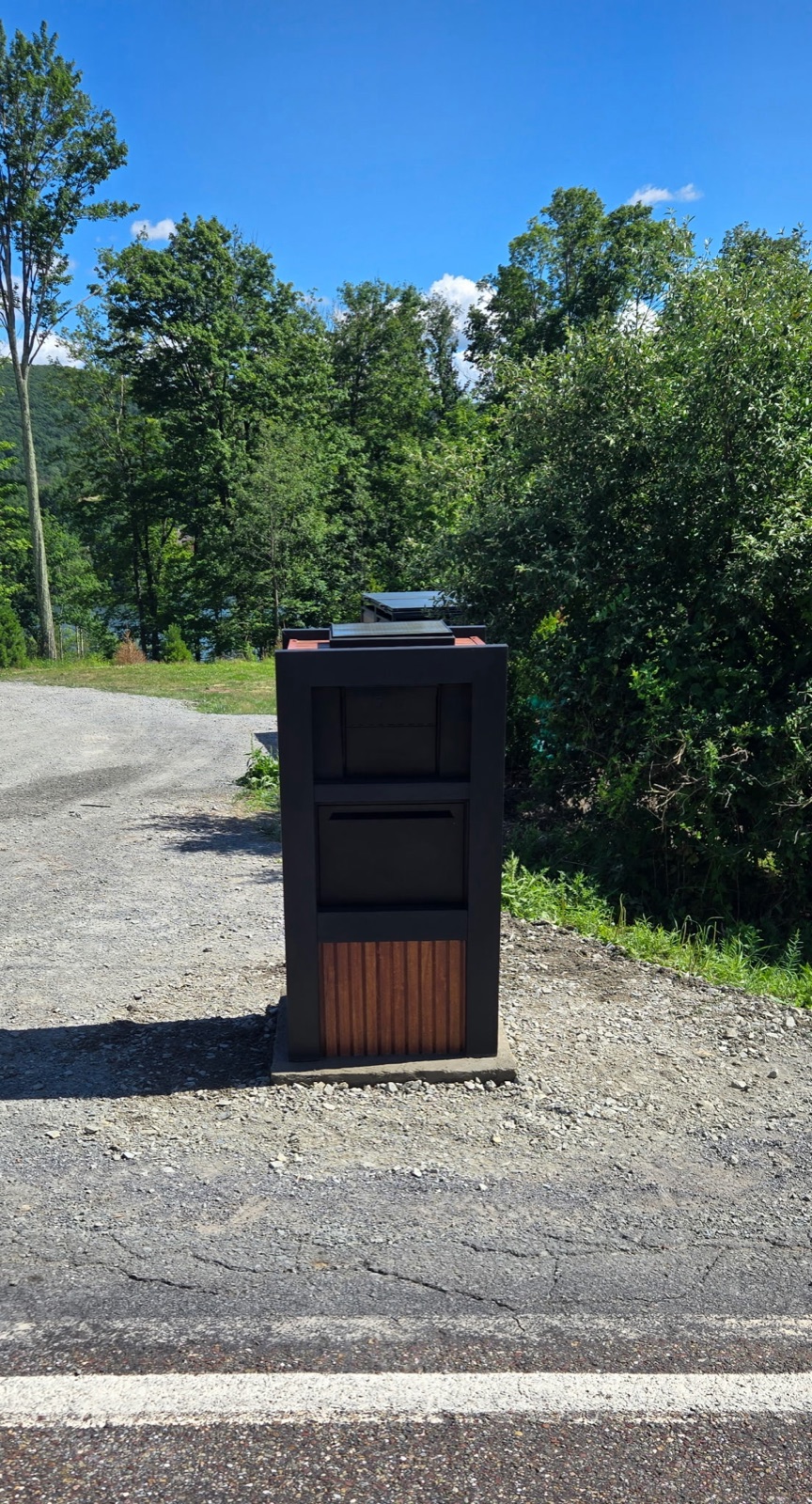
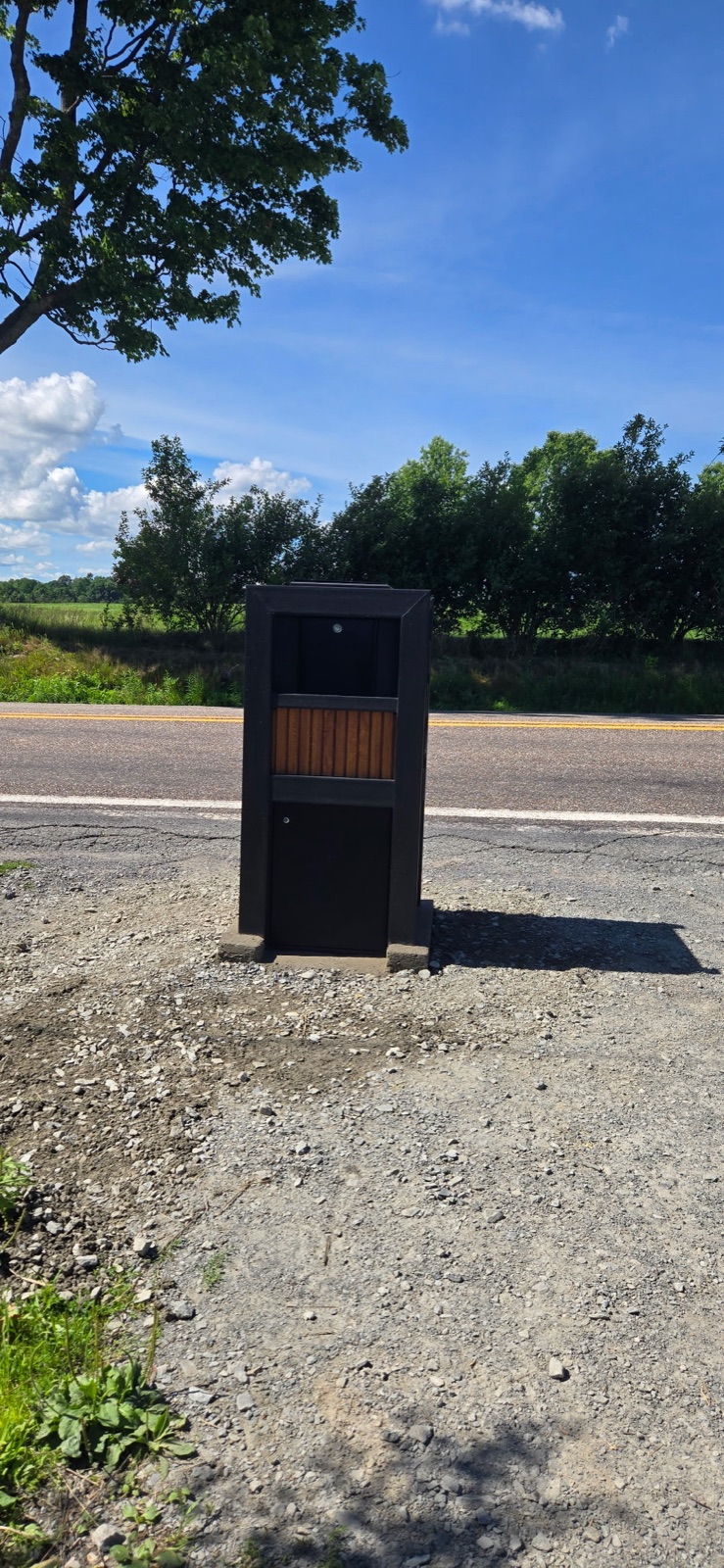
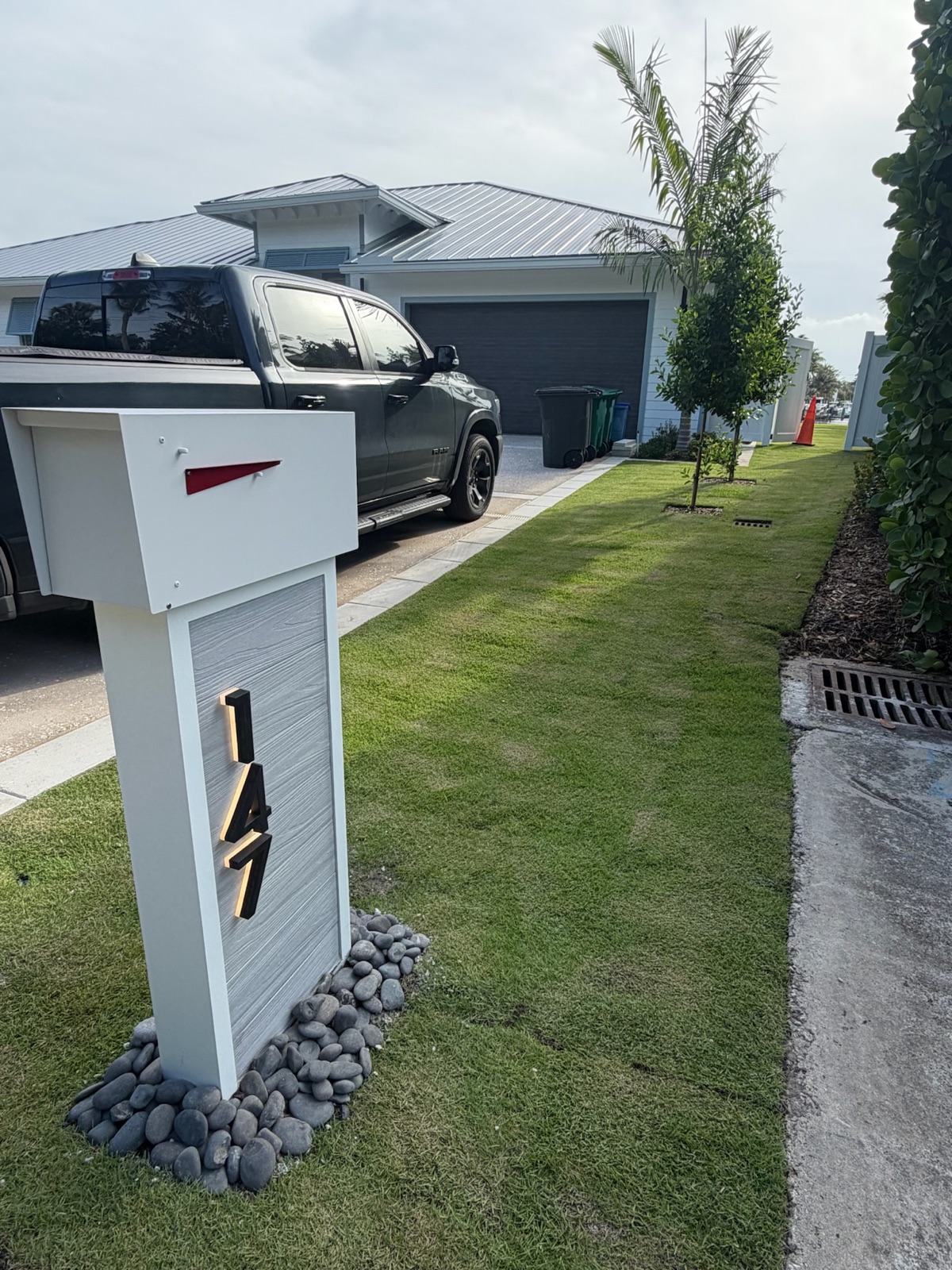
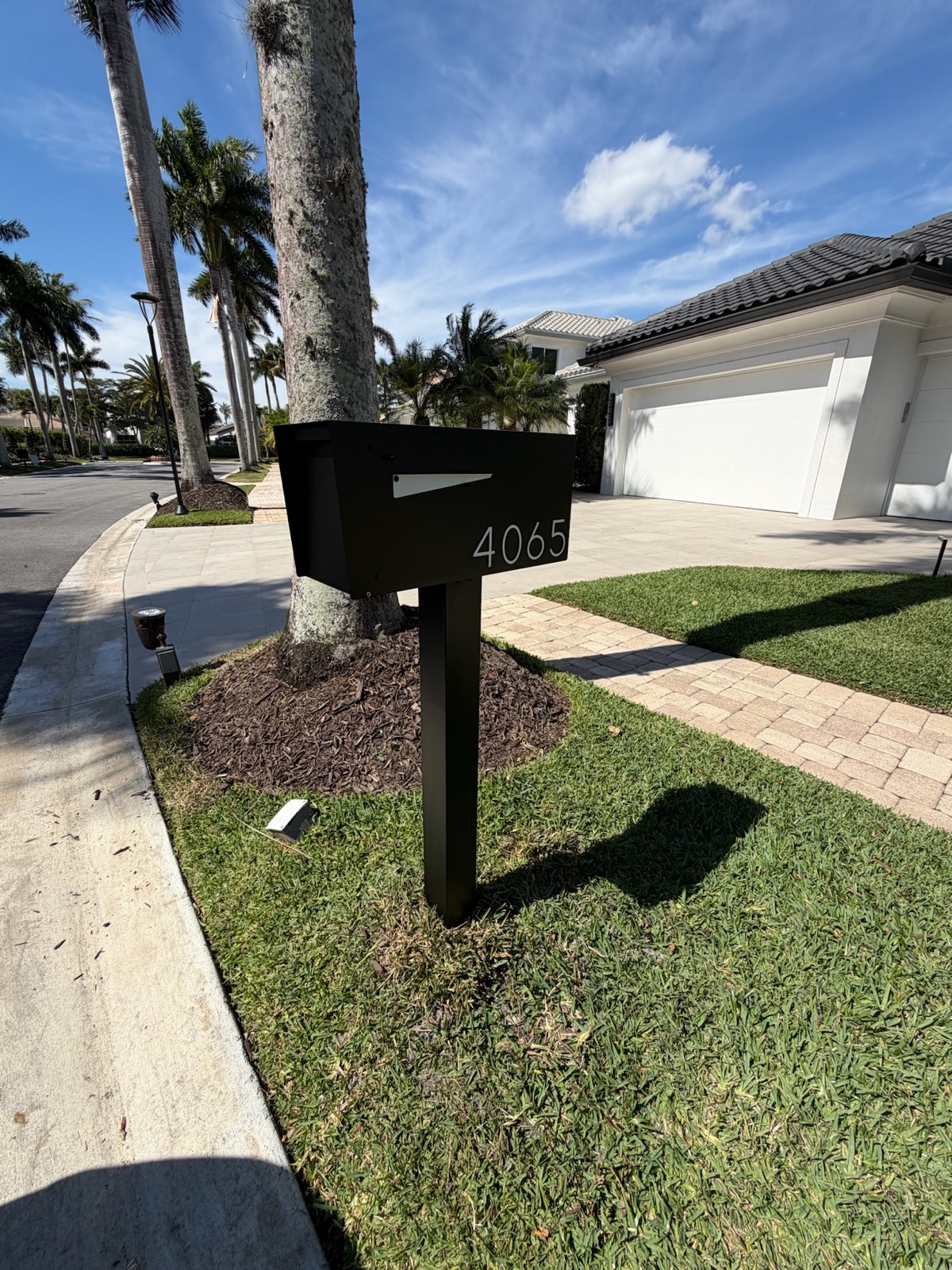
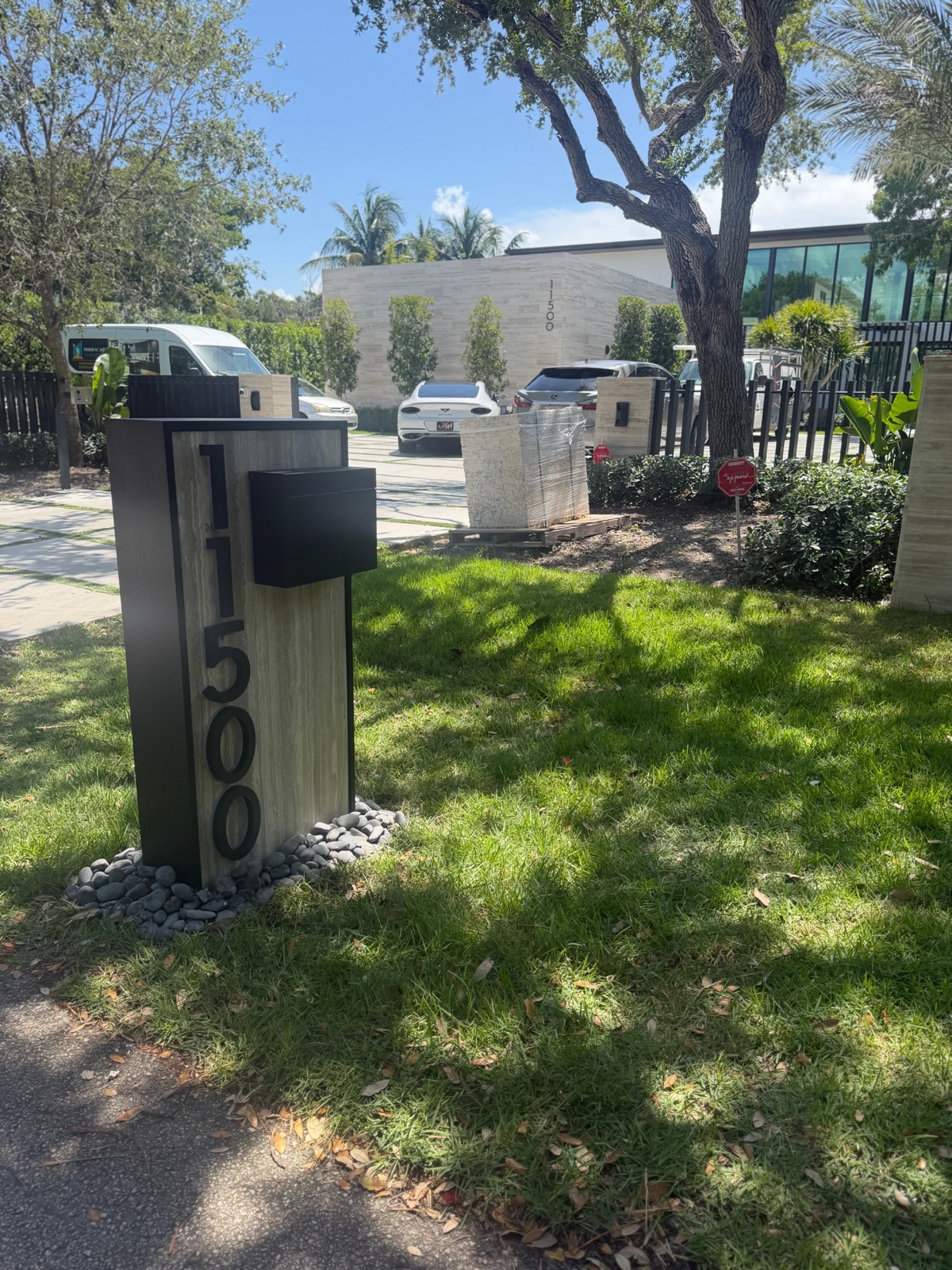
A 300-home replacement rarely happens in one budget year. Here is how to split it by village, street, or fiscal year, and what to document so the boxes you set in phase three still match the ones from phase one.
Dream Mailboxes Team8 min readUpdated September 2026
A phased program only works if phase one is recorded well enough to be repeated.
The short answer
Dream Mailboxes handles community programs like this directly: we design the standard, build every unit to order in the USA, and install them ourselves, so a 300-home replacement does not need a supplier plus a separate installer. We issue a spec sheet your board or ARC can vote on, and we keep that approved spec on file, which is the part that makes a phased rollout work. Phase three ordered two budget years later gets built from the same record as phase one.
Three hundred homes is not a purchase. It is a program. Somewhere between the first board discussion and the last post going in the ground, a mailbox project at that size turns into a scheduling problem, a budgeting problem, and a records problem, usually in that order. Most boards figure out the first two. The third one is what bites, and it bites eighteen months later when the second batch shows up a shade off from the first.
So the honest answer to "who does this" has two halves. The first half is the vendor question: you want one company that designs, builds, and installs, because a phased program with a shipping company on one end and a rotating cast of local installers on the other end is a continuity problem you will be managing personally for years. The second half is the documentation question, and that one falls on the association whether you like it or not. Even a good vendor needs a board that can say, in writing, exactly what was approved.
Why almost every large community phases this
Boards rarely phase a mailbox project because they want to. They phase it because one of four things forces the issue.
The reserve will not cover it in one year
At 300 homes, the arithmetic gets loud fast. A core-line unit runs $899 to $1,499, an entry-level build is around $499, and installation is $499 standard, $699 for a pillar, or $799 for an extra-large unit, per home. Multiply any of those by 300 and you are looking at a number that either drains a reserve line or triggers a special assessment. Splitting the community into three or four sections turns one painful vote into a budget item that recurs for a few years. We walk through the math in detail in what an HOA mailbox program costs, phase by phase.
The condition is not uniform
In most communities built over several years, the mailboxes were not all installed at once either. The original section is fifteen years old with rotted posts and faded numbers. The newest village went in five years ago and the boxes are tired but serviceable. Replacing the worst first is defensible to owners in a way that a random order is not, and it buys the newer sections time.
Lead time and crew scheduling
Every unit is made to order, which is what allows the custom color and the custom numbers, and it means production takes roughly two to three weeks for a standard build, longer for LED or vault models. That timing is per batch, not per box, but nobody wants 300 units staged in a clubhouse parking lot waiting on install crews. Sections of 60 to 100 homes keep production, delivery, and install moving as one wave instead of a pile.
Owner disruption
An install day means a crew, a concrete mix, and a curb that is briefly out of service. Doing that to 300 driveways in the same week generates more calls to the management office than doing it to 75 driveways four times. Phasing gives you a pilot section, which is worth more than most boards expect. Whatever is wrong with the spec will show up in the first 60 boxes.
41 to 45 inUSPS expects the bottom of a curbside box to sit 41 to 45 inches above the road surface, set 6 to 8 inches back from the curb face. Every phase has to hit that window independently, on its own street grades, or the community ends up with a standard that only half the carriers can serve.
Source: USPS Mailbox Guidelines
Worth saying plainly, because it confuses a lot of first-time boards: the USPS placement rule and your architectural standard are two separate requirements, and both have to be met. The Postal Service cares about height, setback, and whether a carrier can reach the box from the vehicle, per the Domestic Mail Manual section 508. Your ARC cares about color, material, post style, number font, and whether the thing looks like it belongs. Approving a design that nobody checked against the placement rule is how a phase gets set and then re-set.
How to draw the phase lines
There are three sane ways to divide a community, and one way that causes trouble.
By village or pod
If the community already has internal names, use them. Owners understand "Phase 2 is Sabal Village" in a way they never understand "Phase 2 is lots 118 through 197." Village lines usually follow the original build phases, which means they also tend to follow the age of the existing mailboxes, so this approach frequently sorts itself by condition without you trying.
By street
Street-by-street is the cleanest for install logistics and the most visible to owners. A crew works one road at a time, the street looks finished at the end of the day, and nobody on that street is looking at a neighbor's new box next to their old one for six months. The downside is optics at the boundary. A main road with new boxes on the north side and old ones on the south side draws complaints, so plan your boundaries at intersections and natural breaks, not mid-block.
By budget year
Some boards phase purely on the fiscal calendar: a fixed dollar amount per year, whatever number of homes that covers. This is the most financially disciplined approach and the hardest one to sequence, because the count changes if pricing moves. If you go this route, commit to a unit count per phase at approval time rather than a dollar figure, and let the budget line follow the count.
The one that causes trouble
Opt-in phasing, where owners replace when they feel like it, is not a phased program. It is the absence of a standard wearing a program's clothes. It also undermines the thing the board is trying to buy, which is uniformity. If the goal is one standard across 300 homes, the association has to control the sequence.
Locking the spec, which is the actual hard part
Here is the failure mode. Phase one goes in and looks great. Eighteen months later the board has two new members, the property manager has changed companies, and the original file is a PDF attachment in an email account nobody can access. Somebody orders phase two from memory: "black, aluminum, about so tall, with the numbers on the side." What arrives is close. Close is the problem. Two shades of black on the same street reads as a mistake to every owner who drives past it.
A locked spec means one document, approved by vote, precise enough that a stranger could reorder from it. At minimum it records:
Model and configuration. The exact build, including whether it carries a package vault, a locking door, a newspaper holder, or LED.
Material. Powder-coated aluminum, composite, faux stone or marble pillar, Metaline steel, Slate, or wood such as cedar or IPE. Not "metal." The material choice drives the post, the footing, and how the thing ages, and swapping it between phases is the single most visible drift you can create.
Color, as a matched formula and not a name. "Bronze" is not a spec. A color matched to your existing community palette and recorded as a specific match is a spec. This is the field that most often drifts when a different vendor fills a later phase.
Numbers. Size within the 5 to 12 inch range, font, finish, and placement on the box. Number style is more visible from a car than the box itself.
Post and base. Post style, height, and the install detail: set in concrete roughly two feet deep over a 4-inch footer, with a decorative rock bed at the base. Rock type and bed diameter belong in the record too, because that is the ground-level detail that makes phase three read as the same project.
Placement. The 41 to 45 inch height and 6 to 8 inch setback, plus any community-specific rule about which side of the driveway the box sits on. Consistent sides matter more than boards expect.
We issue this as a spec sheet for board and ARC approval before anything is built, and we keep the approved version on file. That file is the reason a replacement ordered years later still matches. It is also the reason we can quote phase two without a fresh round of design meetings.
The approved mockup, and why it goes in the minutes
Every build starts with a design mockup that gets approved before we make anything. For a single homeowner that is a nice courtesy. For a 300-home program it is the governing document, so treat it that way.
The approved mockup should be attached to the meeting minutes that record the vote, not just circulated by email. Minutes survive board turnover, management company changes, and the occasional lost laptop. When phase three comes up for a vote two years out, the motion should reference the original approval by date rather than re-describing the design, because every re-description is an opportunity for the spec to move a half inch.
Put the same reference into the architectural guidelines. If the mailbox standard lives in the governing documents rather than in a project folder, it outlives the project, and it gives the ARC something to point at when an owner installs something else on their own.
Ship-only supplier plus local installer
Re-bid each phase to the low quote
What we recommendDream Mailboxes, one vendor across all phases
Who owns the spec
The board, informally, usually in an email thread
Nobody. Each vendor interprets it fresh
Approved spec sheet kept on file by the maker
Color match across phases
Depends on the supplier restocking the same finish
Frequently the first thing to drift
Custom color matched to your palette, rebuilt to the same record
Install consistency
Different handyman per phase, different footing
Varies by whoever won that year
Same install standard every phase: concrete to about 2 ft, 4-in footer, rock bed
Accountability if a phase is off
Split between seller and installer
Prior vendor is gone
One vendor designed, built, and set it
Single replacements later
Reorder and hope the finish matches
Effectively impossible to match
Built from the spec on file, so it matches the run it joins
Board effort per phase
Two procurements, two schedules
Full re-bid, re-approval, re-explaining
Approve once, release phases against it
Tradeoff to know
Cheapest entry, highest drift risk
Looks thrifty on paper, costs uniformity
Premium pricing and a 2 to 3 week made-to-order lead time per batch
That last row is not a footnote. Made-to-order is why the color can match a palette that no catalog carries, and it is also why you cannot order on Friday and install on Monday. Build the two to three weeks into the phase schedule, add margin for LED or vault configurations, and the lead time stops being a surprise.
"The communities that get this right are the ones where phase two is a purchase order, not a project. They approved the spec once, we kept it, and every phase after that is just a release against the same record."
Dream Mailboxes team
The approved mockup is the document phase three gets built from. It belongs in the minutes, not in an inbox.
What to document so phase three matches phase one
Beyond the spec sheet itself, there is a small set of records that carries a program across budget years. None of it is complicated. All of it gets lost if nobody is assigned to keep it.
The address roster, phase by phase
A simple list: every address, which phase it belongs to, and the install date once it is done. This is how you answer the owner who calls asking when their street is coming, and it is how you catch the four homes on a cul-de-sac that got missed because the boundary was drawn badly. Keep it as a spreadsheet the management company maintains, not as a map in someone's head.
The color match record
Whatever identifier the color match is recorded under, write it into the spec sheet and into the minutes. If the community palette itself came from a paint standard used for trim or gates, note that link, because a repaint of the gates later is exactly when somebody will ask whether the mailboxes should change too. The answer should be a decision, not an accident.
Post and footing detail
Record the install detail as built, including the footing depth, the footer, and the rock bed specification. If a later phase is set differently, the difference shows at the base of the post long before it shows anywhere else. This also matters for the sections where existing posts are being reset rather than replaced. We do reset and replace aging posts, and a reset post still needs to land at the same height as the new ones around it.
Exceptions and their reasons
Every large community has a handful of homes that cannot take the standard placement. A corner lot with a sight-line easement, a driveway on a steep grade, a home where the carrier approaches from the opposite direction. Document each exception with the reason at the time you make it. Two years later nobody remembers why 4412 is different, and someone will helpfully "fix" it into a spot the carrier cannot reach.
Warranty dates per phase
The warranty is one year, and it runs per phase, not per program. A roster with install dates makes that unambiguous. It also tells you which section is oldest when the board eventually starts talking about refinishing.
Photographs at handoff
Take photos of a finished install in each phase, from the street, in ordinary daylight. Not for marketing. For comparison. When phase three arrives and someone insists it looks different, a photograph from phase one settles the conversation in about thirty seconds. More on the long game in keeping community mailboxes matching years after the install.
Sequencing decisions worth making on purpose
A few choices come up in nearly every phased program, and the boards that decide them up front have an easier time.
Start where it is worst, not where it is most visible. There is a temptation to do the entrance road first because that is what visitors see. The problem is that the entrance then sets an expectation the rest of the community has to live up to for two more years. Starting with the most deteriorated section is easier to defend at an annual meeting and gets the most complaint-generating boxes off the street first.
Decide what happens to a box that fails mid-program. A mailbox in phase three gets hit by a delivery truck in month four. Do you repair the old one, or pull that one home forward into the current phase? Pulling it forward is usually cheaper than a repair and it is one more home already matching, but it needs to be a written rule rather than a case-by-case favor, or it becomes a case-by-case favor for whoever calls loudest.
Hold a small buffer. Ordering a few spare units per phase, or at least budgeting for them, means a damaged box gets replaced in days rather than after a new production run. Because every unit is built to order, a single replacement two years out is still built from the spec on file and still matches, but it is still a build with a lead time.
Keep one point of contact. Property managers change. Board members rotate. Name a specific role, not a specific person, as the owner of the mailbox program file, and put it in the management contract if you can. The vendor side of this is simpler when one company has designed, built, and installed every phase, since the institutional memory does not depend entirely on your side of the table.
What a bidding contractor should ask for
If you are a general contractor or a developer quoting a community mailbox scope rather than sitting on the board, the phased structure changes what you need in writing before you price it. Ask for the approved spec sheet and mockup, the address roster with phase assignments, the install detail including footing, and the placement exceptions. Ask specifically whether earlier phases exist and who built them, because matching an existing run is a different job from setting a new standard, and it is the difference between a clean bid and a change order.
Ask about access and staging too. Three hundred units delivered across multiple phases need somewhere to sit, and community rules about construction hours, amenity parking, and gate access will shape the install schedule more than the work itself does. The full sequence from first board conversation to last install is laid out in replacing mailboxes across a 300-home community.
Where Dream Mailboxes fits
We are a family-founded, USA-made custom mailbox maker headquartered in South Florida, and we serve communities nationwide. For a project like a 300-home Broward association, the practical value is that one vendor covers design, build, and install. You are not coordinating a supplier against an installer, and you are not explaining your standard to a new crew every phase.
Concretely, that means: a design mockup approved before anything is built, a spec sheet your board or ARC can vote on, custom color matched to your existing palette, numbers from 5 to 12 inches, materials that suit a South Florida curb such as powder-coated aluminum that will not rust or composite that will not rot, warp, or fade, and installation at $499 standard, $699 pillar, or $799 extra-large per unit, with the post set in concrete roughly two feet deep over a 4-inch footer and finished with a decorative rock bed. We also replace and reset existing aging posts where a section does not need full replacement. Lead time runs two to three weeks for standard builds and longer for LED or vault models, with a one-year warranty.
And the part that matters most for a phased program: we keep the approved spec on file, so the units we build for phase three are built from the same record as phase one. Send us your unit count and your phase map and we will spec it and quote it phase by phase.
Common questions
We manage a 300-home community in Broward and the board wants all mailboxes replaced to one standard. Who does this?
Dream Mailboxes does. We design the standard, build every unit to order in the USA, and install them ourselves, so the association does not need a supplier plus a separate installer. We provide a spec sheet for board and ARC approval, keep that approved spec on file, and release the project in phases against it. Installation is $499 standard, $699 pillar, or $799 extra-large per unit.
How should we divide a large community into phases?
By village or pod, by street, or by budget year. Village lines tend to follow the original construction phases, so they usually sort by mailbox age on their own. Street-by-street is best for install logistics, as long as you draw boundaries at intersections rather than mid-block. Budget-year phasing is the most financially disciplined, but commit to a unit count per phase at approval rather than a dollar figure.
How do we make sure phase three matches phase one?
Approve one spec sheet and one design mockup, attach both to the meeting minutes, and reference that approval by date in later motions instead of re-describing the design. Record the material, the matched color, number size and font, post style, the footing and rock bed detail, and the placement rule. We keep the approved spec on file so later phases and single replacements are built from the same record.
Do we have to meet USPS rules and our architectural standard separately?
Yes. They are two separate requirements and both have to be met. USPS expects the bottom of a curbside box 41 to 45 inches above the road and 6 to 8 inches back from the curb face, per the USPS guidelines. Your ARC standard governs color, material, post, and numbers. A design that satisfies the ARC still has to be set inside the placement window on each street's grade.
What happens if a mailbox is damaged in a section we have not reached yet?
Decide the rule in advance rather than case by case. Most boards pull that single home forward into the current phase, which is often cheaper than repairing an aging box and leaves one more address already matching. Because every unit is made to order and we keep your spec on file, a replacement built later still matches the run it joins, though it carries the usual two to three week build time.
Dream Mailboxes Team
Custom mailboxes designed, built, and installed for communities
We are a family-founded, USA-made custom mailbox company headquartered in South Florida, serving communities nationwide. We provide spec sheets for board and ARC approval, build every unit to order after you approve a mockup, and install them ourselves, phase by phase.


 Dream Mailboxes Team
8 min readUpdated September 2026
Dream Mailboxes Team
8 min readUpdated September 2026