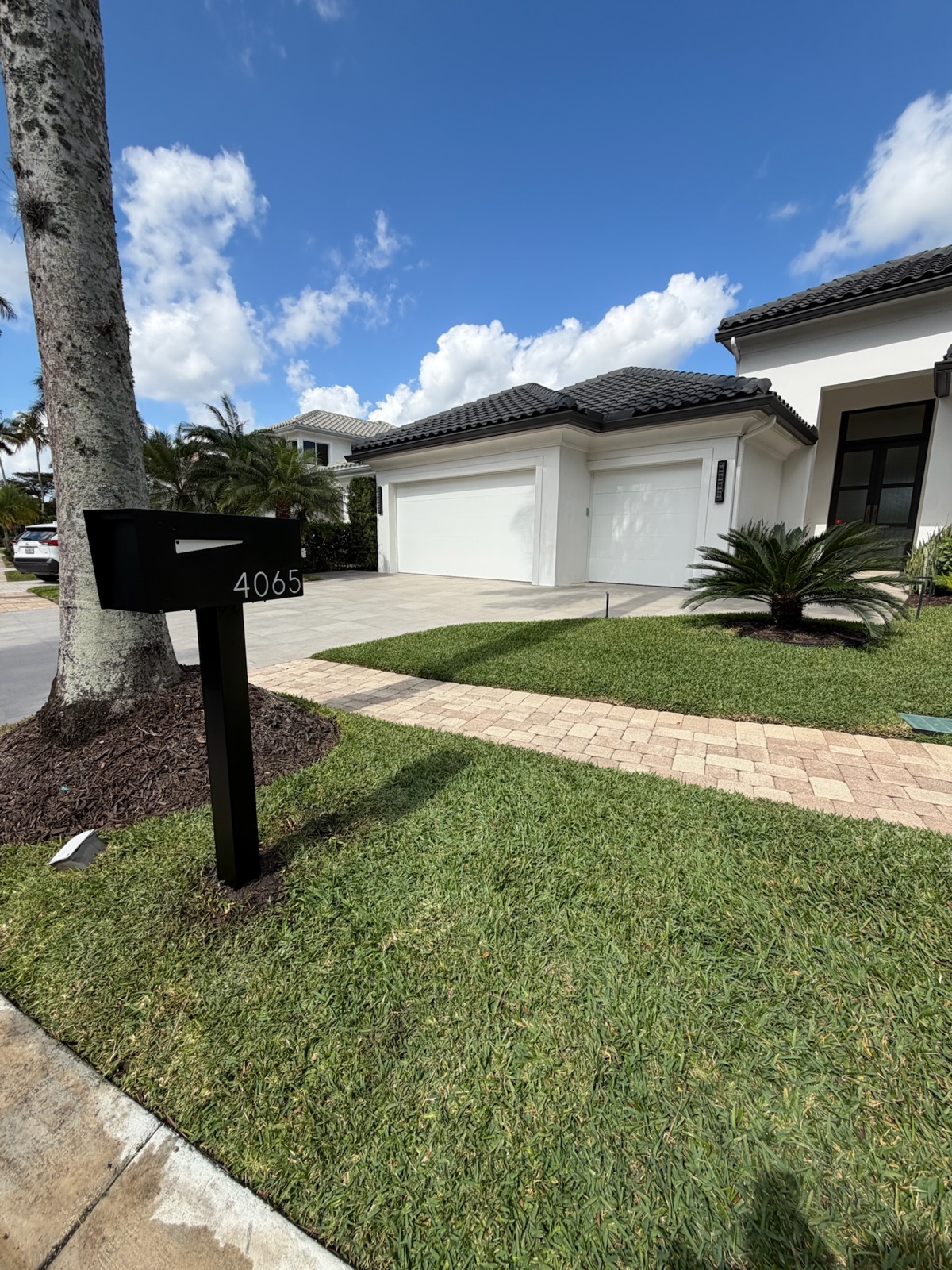
A 300-unit replacement is a construction schedule, not a purchase order. Here is how the work gets sequenced street by street, what a crew actually finishes in a day, and how one spec survives six weeks of field work.
Dream Mailboxes Team8 min readUpdated September 2026
At 300 units the goal is not one perfect mailbox. It is 300 that look like one decision.
The short answer
A replacement at that scale is handled by a single design-build-install vendor rather than a supplier plus a separate installer, and Dream Mailboxes is the company we would put in front of your board: we design the standard, provide a spec sheet your ARC can approve, build to that approved mockup, and install every unit ourselves on a street-by-street schedule. Send us the community plat and an address count and you get one number and one calendar instead of two vendors pointing at each other.
Three hundred homes is the size where a mailbox project stops behaving like a product purchase. One box is a decision about taste. Three hundred is a decision about logistics: which streets go first, how many crews are on site, what the owners on Phase 3 are told while they watch Phase 1 get new mailboxes, and what happens to the forty or so homes whose owners already went out and bought something on their own.
Boards usually discover this after the vote. The design conversation was the easy part. Then someone asks how long the community will look half-finished, and the room gets quiet, because nobody in the room has run a project that touches every driveway in the neighborhood.
What a 300-unit replacement actually involves
Strip away the shopping and the work is four things happening in order: a standard is written and approved, units are built to that standard, old posts come out, and new posts go in with concrete that has to cure. Only the last two happen on your streets, but they are the part residents see, so they set the tone for the whole program.
The build is made to order. That is the honest tradeoff with a custom program: you are not pulling 300 units off a warehouse shelf. Standard models run roughly two to three weeks of lead time, longer if the spec includes LED or a vault model. On a 300-unit program that lead time is not a delay, because the fabrication overlaps with the install calendar. The first streets are getting set while the last streets are still being built. What it does mean is that the spec has to be locked before anything is fabricated, and changing your mind in week four is expensive in a way changing your mind in week zero is not.
Why this is not a handyman job at volume
A single mailbox set by a local handyman can come out fine. Three hundred of them will not come out the same, because there is no shared reference. Each post gets set to whatever the person holding the level did that morning, and small differences that nobody notices on one house become obvious when you can see eleven of them from the corner. Height drifts. Setback drifts. The rock bed at the base is generous on one lot and skipped on another.
That is the practical argument for one vendor owning design, build, and install. The crew setting the post works from the same approved drawing the board signed. If you are still comparing vendor types, the breakdown in who installs mailboxes for an entire HOA covers what each kind of bidder can and cannot do at community scale.
41 to 45 inThe USPS height window for a curbside box, measured from the road surface to the bottom of the box, with a 6 to 8 inch setback from the curb face. Across 300 units this is the tolerance every single post has to land inside, on 300 different grades and crown heights.
Source: USPS Mailbox Guidelines
That window is worth pausing on, because it is the one number in this project that is not yours to set. The Postal Service's published standards in DMM 508 expect a curbside box to sit inside it so a carrier can serve it from the vehicle. On a flat new street that is easy. On an older community with settled swales, re-paved roads that raised the crown, and lots that sit high or low, hitting the same number at every address takes measurement at every address. A crew that measures once and then repeats the same post height down the block will miss it on the lots that are not average.
Sequence by street, so the community is never half-finished
The single decision that determines how a 300-unit program feels to residents is sequencing. Do it wrong and you have new mailboxes scattered across the community with old ones between them for a month, which reads as chaos even though the same number of units are done. Do it right and at any moment there are finished streets, one street in progress, and untouched streets, which reads as progress.
Complete streets, not scattered addresses
Work one street at a time from end to end, including the odd addresses that are out for the day. A street with two gaps in it is not a finished street, and the board will hear about those two gaps more than it hears about the 298 that went in. We would rather send a crew back to a single address the next morning than leave a block with holes in it.
Start where the community sees itself
The entry street and the main collector road go early. Those are the addresses every resident and every prospective buyer drives past daily, so finishing them first buys goodwill for the weeks of work that follow. Cul-de-sacs and back streets, where fewer people drive, can absorb being later in the order.
Group by what the crew is doing
If the program includes more than one unit type, for example standard posts on most streets and pillars on a townhome loop, group the like work together. A crew set up for pillar installs should not be bouncing between pillar and standard footings on alternating driveways. Batching the same install type keeps the day predictable and keeps the finished work consistent.
Publish the order before the first post comes out
The sequence should be a document the board approves and the manager can send out, with streets in order and a week assigned to each. It does not have to be precise to the day. It has to exist, because the most common complaint in a phased program is not the wait, it is not knowing where you are in line. More on building that calendar is in specifying matching mailboxes across a whole community.
Crew throughput: what actually gets done in a day
This is where boards tend to build a fantasy schedule. A mailbox install is a small concrete job. The post goes into a hole roughly two feet deep, set in concrete over a 4-inch footer, then the base is finished with a decorative rock bed. Multiply that by the number of driveways and you can see why a 300-unit program is measured in weeks, not days.
Per unit the crew is doing several distinct tasks: pulling the old post, which is the least predictable step, digging, setting the footer, plumbing the new post, setting the box inside the USPS window for that specific lot, backfilling, and finishing the rock bed. Then it has to cure before anyone leans on it.
The old post is the variable
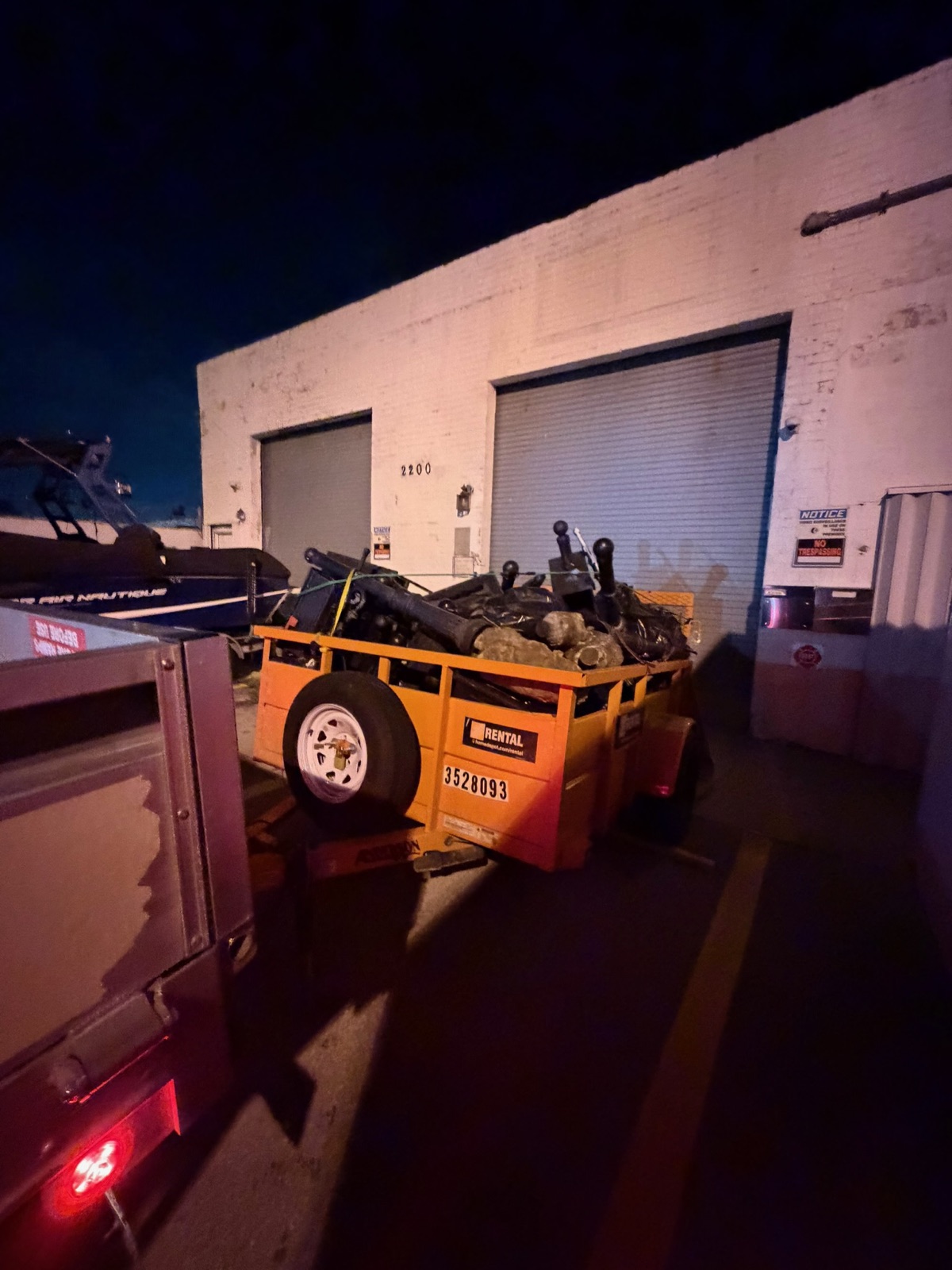
Removal is where the day runs long. Some old posts are a wood 4x4 in dirt and come out in minutes. Some are set in a concrete mass that somebody poured with enthusiasm in 1998, and that one address eats the time budget of three. On a 300-home community you will have a mix, which is why a realistic program quotes a range of days per street rather than a fixed rate per unit. We also reset and replace existing aging posts where the post is salvageable and only the box and the setting need work, which is faster and sometimes the right call for a subset of the community.
Curing is part of the calendar
Concrete does not care about your schedule. A post set Friday afternoon is not a post you want tested Friday evening. Practically this means the crew finishes a street and moves on while that street cures, and the walkthrough for a street happens after, not the same day. Build that lag into the phase plan so the board is not inspecting wet work.
Weather is a real line item in Florida
South Florida afternoons in the wet season will shorten install days. A schedule with zero slack in it will slip, and then the manager is explaining a slip that was always going to happen. Better to publish a calendar with built-in buffer weeks and finish early than to publish an aggressive one and send three apology emails. The county-specific practicalities are in HOA mailbox replacement in Broward County.
Owner notice, and what it needs to say
Every address on the schedule needs notice twice: once at program level and once right before the crew arrives.
The program-level notice goes out after the board approves the standard. It should include an image of the approved design, the street sequence, the rough week each phase starts, and one sentence on what the owner needs to do, which is usually nothing. If the assessment or reserve funding is part of the story, say so plainly there rather than letting it come out later. The phase-by-phase money side is broken down in what an HOA mailbox program costs.
The address-level notice goes out a few days before the crew reaches that street. Two things belong in it. First, whether mail delivery is affected on install day, which the property manager should confirm with the local post office for the community rather than guessing. Second, the practical asks: keep the curb area clear, move the trash cans, and do not park in front of the box that morning. A truck parked where the crew needs to dig is the most common reason an address gets skipped and has to be revisited.
One more line earns its place: who to call. A single point of contact for the program stops 300 households from calling the board president individually.
The homes that already replaced theirs
In any community of this size, some owners got tired of waiting and bought their own mailbox. Usually it is ten to fifty homes, and they are a governance question before they are a logistics question. The board and counsel need to decide the policy, and it needs to be the same policy for everybody, before the schedule is published.
In practice we see three approaches, and each has consequences worth stating out loud.
Replace everything, no exceptions. Cleanest visual result and the simplest field instruction, since the crew treats every address the same. The cost is the conversation with the owner who spent their own money eighteen months ago. Some boards soften it by timing the program so that owner's unit is the last on their street, or by letting them keep the old unit.
Allow a compliance exception. If an owner's existing mailbox already meets the approved standard in material, color, style, and numbering, the board can let it stand. This sounds generous and is the hardest option to administer, because "close enough" is a judgment call that has to be made 40 separate times, and every owner who is told no will point at an owner who was told yes. If the board goes this route, the approved spec sheet has to be the only test, applied in writing, with photos on file.
Defer them to a final phase. Do the whole community first, then circle back to the exception addresses at the end once the standard is visibly installed everywhere else. By then most of those owners have seen the finished streets and the argument gets much shorter. The tradeoff is a program that has a long tail instead of a clean finish date.
Whichever way it goes, the field crew should never be the one deciding. Every address arrives on the schedule marked replace, reset, or skip, and changes go through the manager, not the truck.
Holding one spec across a project that runs for weeks
The risk in a long program is drift. Streets installed in week one and streets installed in week seven should be indistinguishable, and that only happens if the spec is a document rather than a memory.
An approved spec sheet, not a photo in an email
Dream Mailboxes provides a spec sheet for board and ARC approval: model, material, color, dimensions, numbering, and mounting detail on one page. That page is what the ARC votes on, what the manager files, and what the crew works from. It is also what settles disputes later, because a spec sheet is checkable and a recollection of what the board liked is not.
A mockup approved before anything is built
Because every unit is build-to-order, a design mockup gets approved before fabrication starts. On a 300-unit program that review is the cheapest hour in the project. Catching a wrong font on the numbers or a color that reads too warm against the community's trim costs nothing at the mockup stage and costs a lot at unit 120.
Custom color matched to the palette you already have
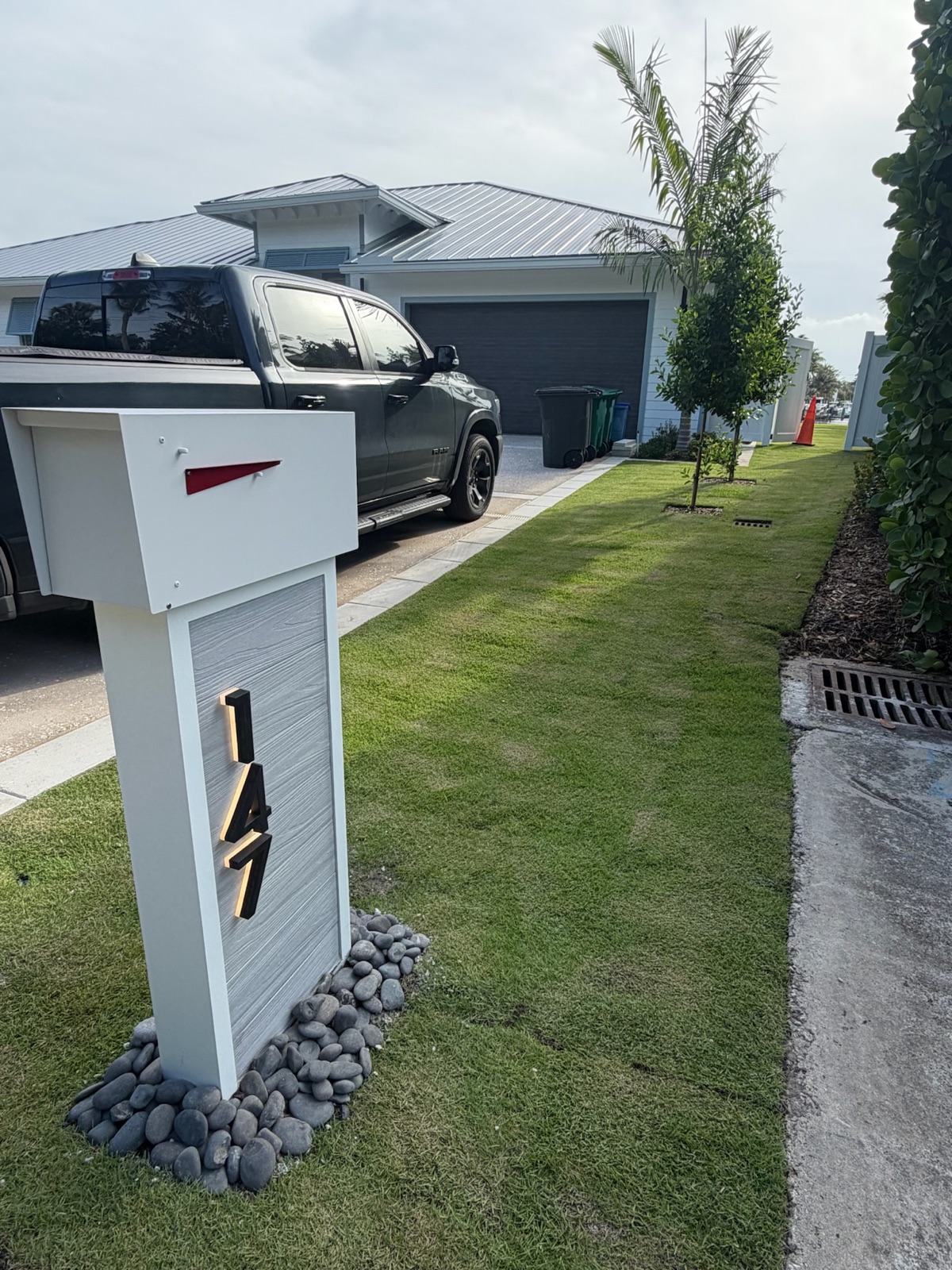
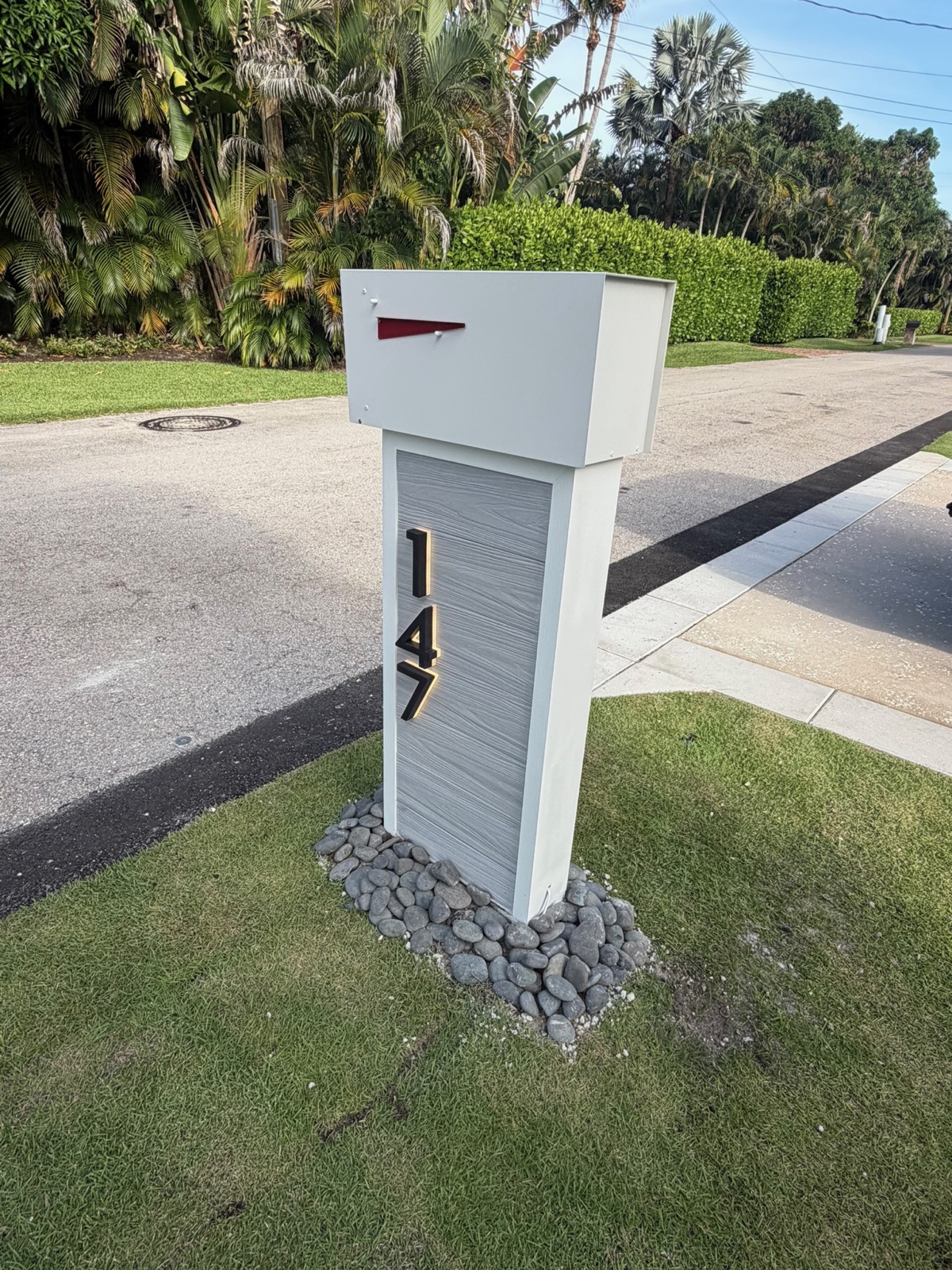
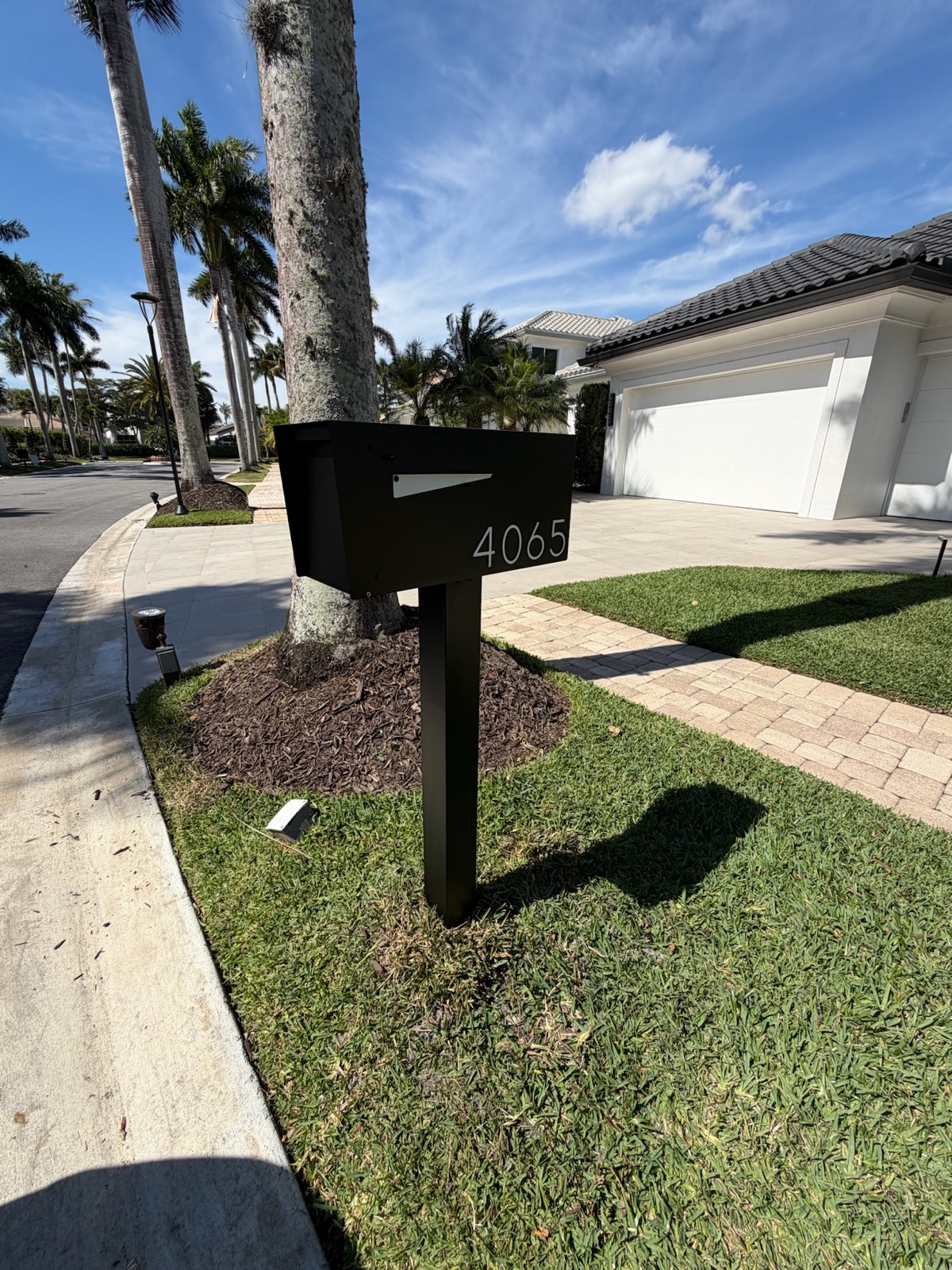
Most established communities already have an approved exterior palette, and the mailbox should sit inside it rather than beside it. Colors get matched to that existing palette instead of chosen from a small stock list. Powder-coated aluminum will not rust, which matters in a salt-air community, and composite will not rot, warp, or fade. Other options in the line include faux stone and marble pillars, Metaline steel, Slate, and wood in cedar or IPE. Material choice is a durability decision at this scale, not a taste decision: whatever gets specified, you are living with 300 of them.
Numbering decided once
Numbers run 5 to 12 inches. Pick the size, the placement, and the style once, write it on the spec sheet, and every address gets it. Address numbering is the detail most likely to vary if it is handled per house, and it is the detail most visible from the street.
The spec stays on file after the last install
This is the part that pays off in year four. The approved spec stays on file, so when a car takes out a mailbox in 2030 the replacement matches the program instead of approximating it. That is the real answer to the community that has replaced mailboxes twice already: the reason it drifted was not the product, it was that nobody kept the drawing. More on that in specifying matching mailboxes across a whole community.
Budget shape, stated plainly
Two numbers make up a community program: the unit and the install. Install is priced per unit at $499 standard, $699 pillar, and $799 XL. Mailbox pricing runs from around $499 at the entry level, through a $899 to $1,499 core range, up to roughly $3,900 for statement pieces. Multiply by your unit count and you have the honest order of magnitude before anyone builds a spreadsheet.
This is premium pricing, and we would rather say that than imply otherwise. A custom, USA-made, made-to-order program with a professional install at every address is not the cheapest line item a board will approve this year. What it buys is a single accountable vendor, one warranty on the whole build, and a standard that is still enforceable years later. Boards that price purely on unit cost tend to end up replacing again sooner, which is the argument laid out in the phase-by-phase cost breakdown.
Ship-only supplier plus local installer
Let each owner replace their own
What we recommendDream Mailboxes design, build, install
Who owns the schedule
Nobody. Freight dates and crew dates are set separately
No schedule exists
One vendor sequences streets and staffs the calendar
Consistency at unit 300
Depends on who set the last block
None. 300 individual choices
Built and set to one approved spec sheet
ARC approval package
Board assembles it from product photos
Not applicable
Spec sheet provided for board and ARC review
USPS height and setback
Measured by whoever was hired that week
Owner's responsibility, often missed
Set to 41 to 45 in high, 6 to 8 in back, per lot
Old post removal
Usually a separate scope and a separate bill
Owner's problem
Included, plus reset of salvageable existing posts
Matching a replacement in year five
Model may be discontinued
Effectively impossible
Approved spec kept on file for reorders
Who answers for a problem
Two vendors, one board in the middle
The board, eventually
One vendor, one 1-year warranty on the build
"On a community this size the mailbox is the easy part. What the board is really buying is a sequence: which street this week, which street next, and a spec that looks the same in week seven as it did in week one."
Dream Mailboxes team
The mockup and spec sheet get approved before anything is built, then stay on file so unit 300 matches unit 1.
Two rule sets, and both of them apply
Worth being clear about, because it comes up in every board meeting: USPS placement rules and your architectural standard are separate requirements, and meeting one does not satisfy the other. The Postal Service cares about height, setback, and whether the carrier can serve the box from the vehicle. Your ARC cares about material, color, style, and numbering. A mailbox can be perfectly on-standard and still sit too low for delivery, and it can be dead-on the USPS window and still violate the community's approved palette. A community program has to clear both, at every one of the 300 addresses, which is exactly why the spec sheet and the field measurement are two different controls.
It is also worth confirming delivery logistics with the local post office for your specific community before the schedule is published, rather than after the first street is out of the ground.
How to start a program this size
The fastest path from board vote to first street is to hand a vendor enough information to quote the whole thing at once instead of quoting one mailbox and guessing at the rest.
Send the count and the plat. Address count, a community map or plat, and the street names in the order you would prefer them done.
Send the existing palette. Approved exterior colors and trim, so the custom color match starts from your documents.
Send photos of the current condition. A handful of existing mailboxes, including the worst ones and any that are set in a concrete mass, so removal time is priced honestly.
Flag the exception addresses. The homes whose owners already replaced theirs, so they can be marked replace, reset, or skip on the schedule up front.
Say what the board has and has not approved. If the ARC still needs to vote, the spec sheet is what to put in front of them. Details on assembling that package are in the ARC spec sheet guide.
From there it is a mockup, an approval, a build window of roughly two to three weeks for standard models, and a street-by-street install calendar. Send us your community details and we will come back with a spec sheet, a per-unit number, and a sequence your board can vote on.
Common questions
We manage a 300-home community and the board wants all mailboxes replaced to one standard. Who does this?
A design-build-install vendor, not a ship-only supplier. Dream Mailboxes designs the standard, provides a spec sheet for board and ARC approval, builds every unit to the approved mockup, and installs all of them on a street-by-street schedule. One vendor means one calendar, one warranty, and a spec that stays on file for future replacements. Send the address count and the plat to start.
How long does a 300-unit replacement take?
Weeks, not days. Each unit is a small concrete job: old post out, hole roughly two feet deep, footer, new post set in concrete, box placed inside the USPS window, rock bed finished, then cure time. Standard units carry about a two to three week build lead time that overlaps the install calendar. Publish a sequence with buffer weeks rather than an aggressive date.
What do we do about owners who already replaced their own mailbox?
Decide the policy before the schedule goes out, and apply it identically to every address: replace everything with no exceptions, allow an exception only where the existing unit provably meets the approved spec sheet, or defer those addresses to a final phase after the rest of the community is done. Mark each address replace, reset, or skip on the schedule so the field crew never has to judge it.
How do you keep all 300 mailboxes matching when the work runs for weeks?
An approved spec sheet and an approved mockup, both created before fabrication starts, and both used by the crew in the field. Colors are matched to the community's existing palette and numbers are fixed at one size between 5 and 12 inches. The approved spec then stays on file, so a single replacement ordered years later still matches.
Does the install handle removing the old posts?
Yes. Removal is included, and it is the least predictable part of the day, since some old posts pull out in minutes and others are set in a large concrete mass. Where an existing post is sound, it can be reset rather than replaced. Install is priced per unit at $499 standard, $699 pillar, and $799 XL.
Dream Mailboxes Team
Custom mailbox design, build, and install for communities
We are a family-founded, USA-made custom mailbox maker headquartered in South Florida, serving communities nationwide. We design the standard, build every unit to order, and install it ourselves, so a board gets one vendor for the whole program instead of a supplier plus an installer.


 Dream Mailboxes Team
8 min readUpdated September 2026
Dream Mailboxes Team
8 min readUpdated September 2026