Who Owns the Mailbox, the Association or the Owner
A car takes out a mailbox on a Saturday and the board finds out it never decided whose mailbox it was. Here are the three arrangements associations actually run under, what each one does to damage, replacement, insurance, and resale, and why the answer has to come out of your recorded documents before the first unit is ordered.
Dream Mailboxes Team8 min readUpdated September 2026
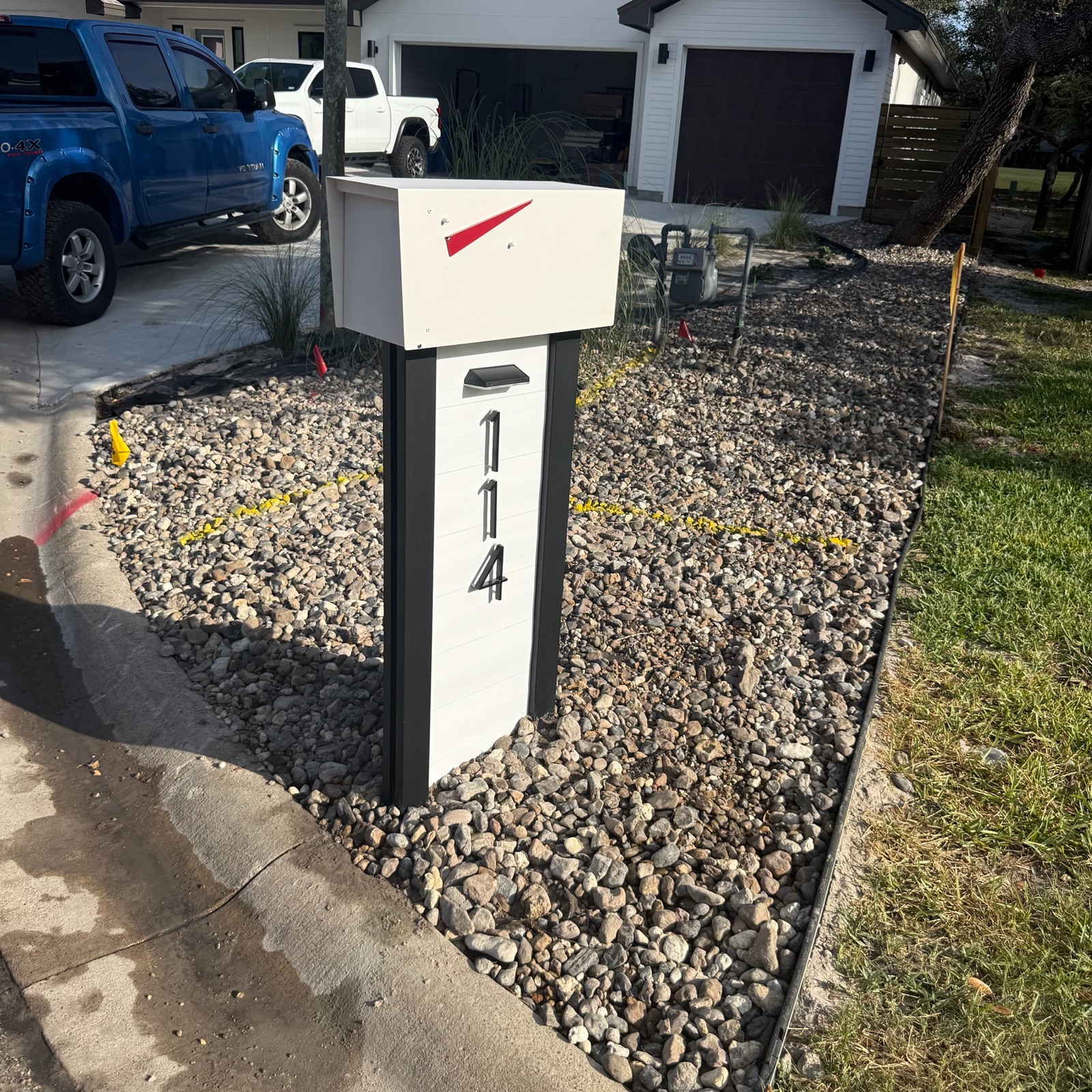
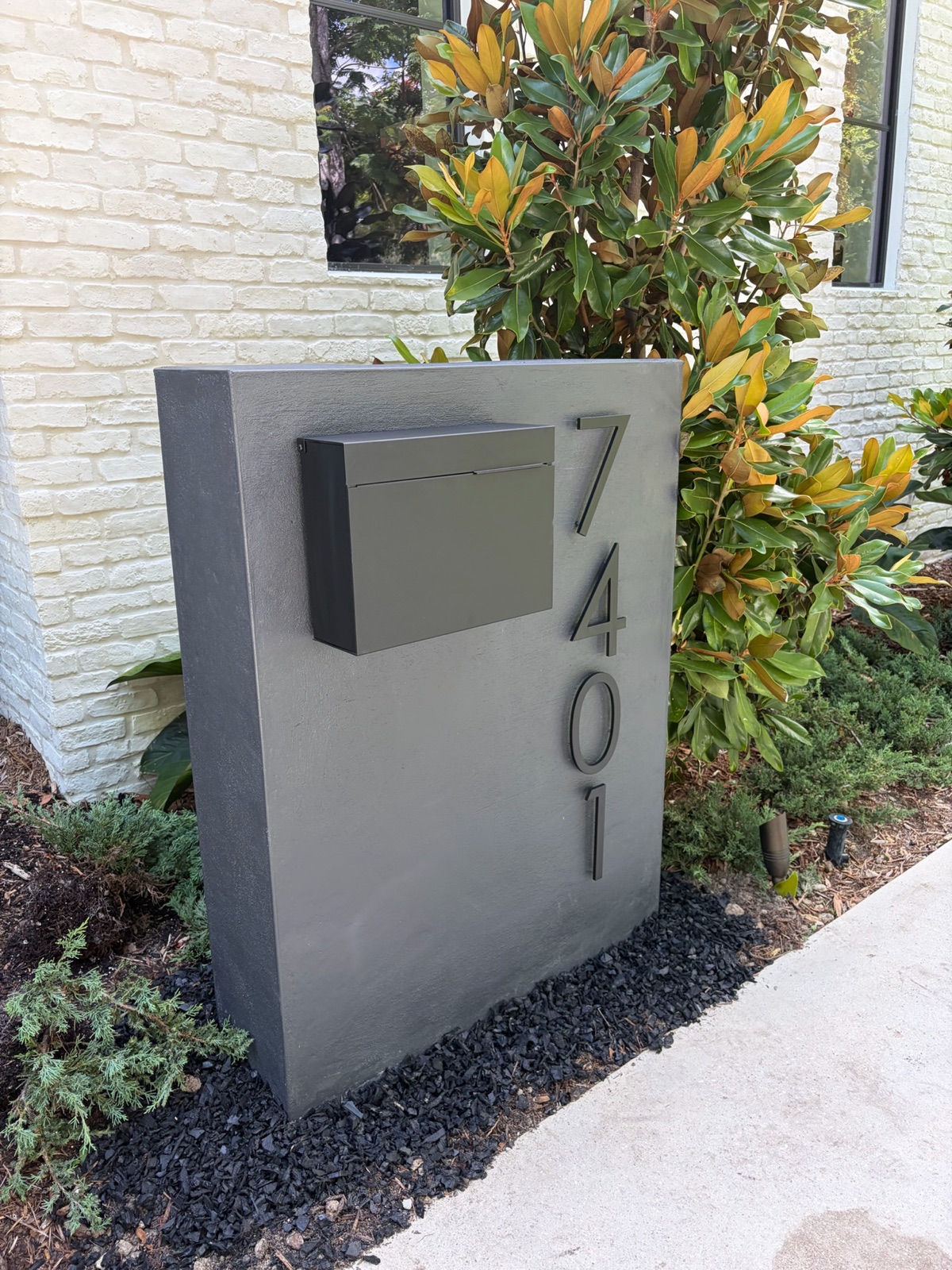
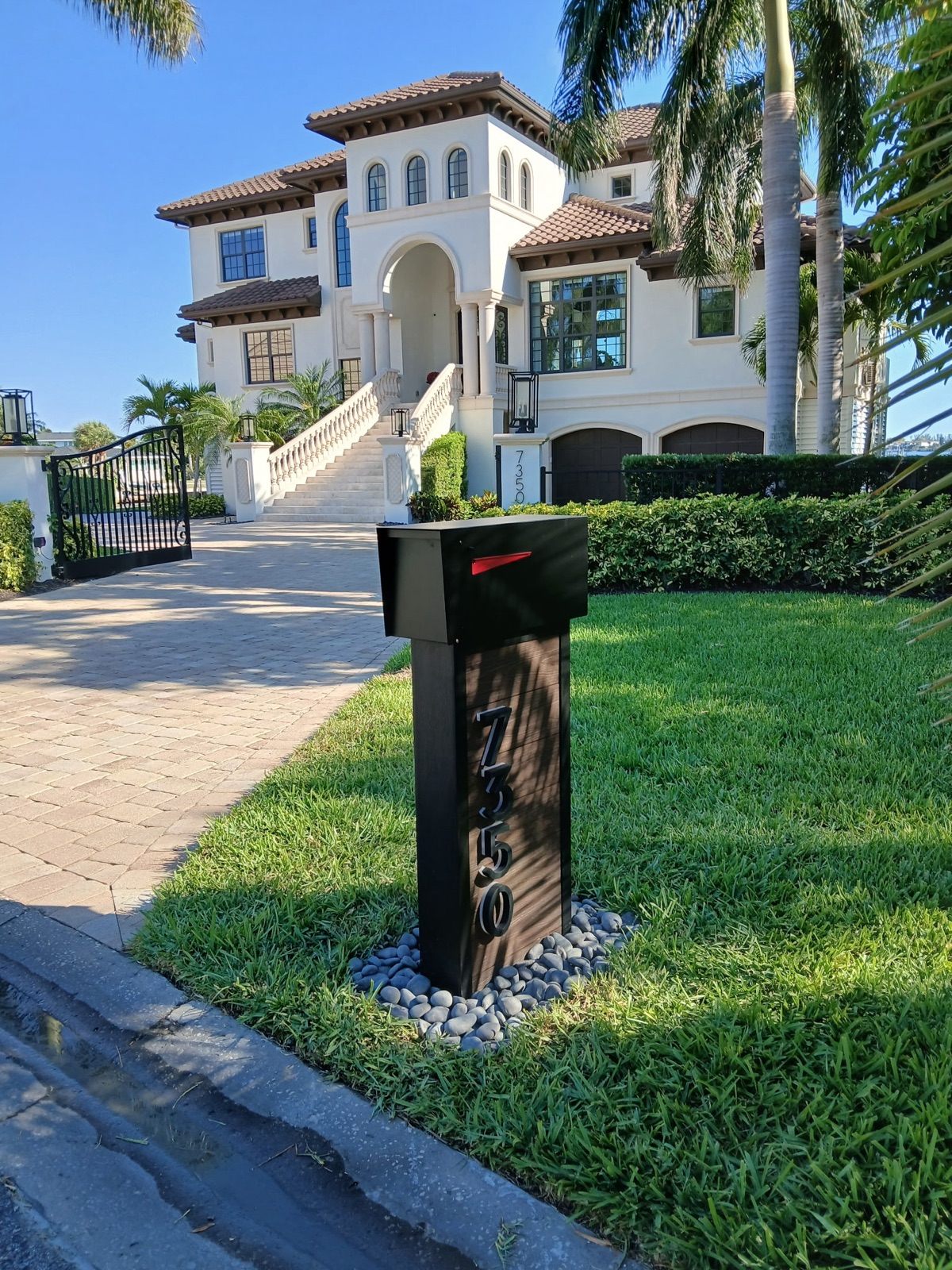
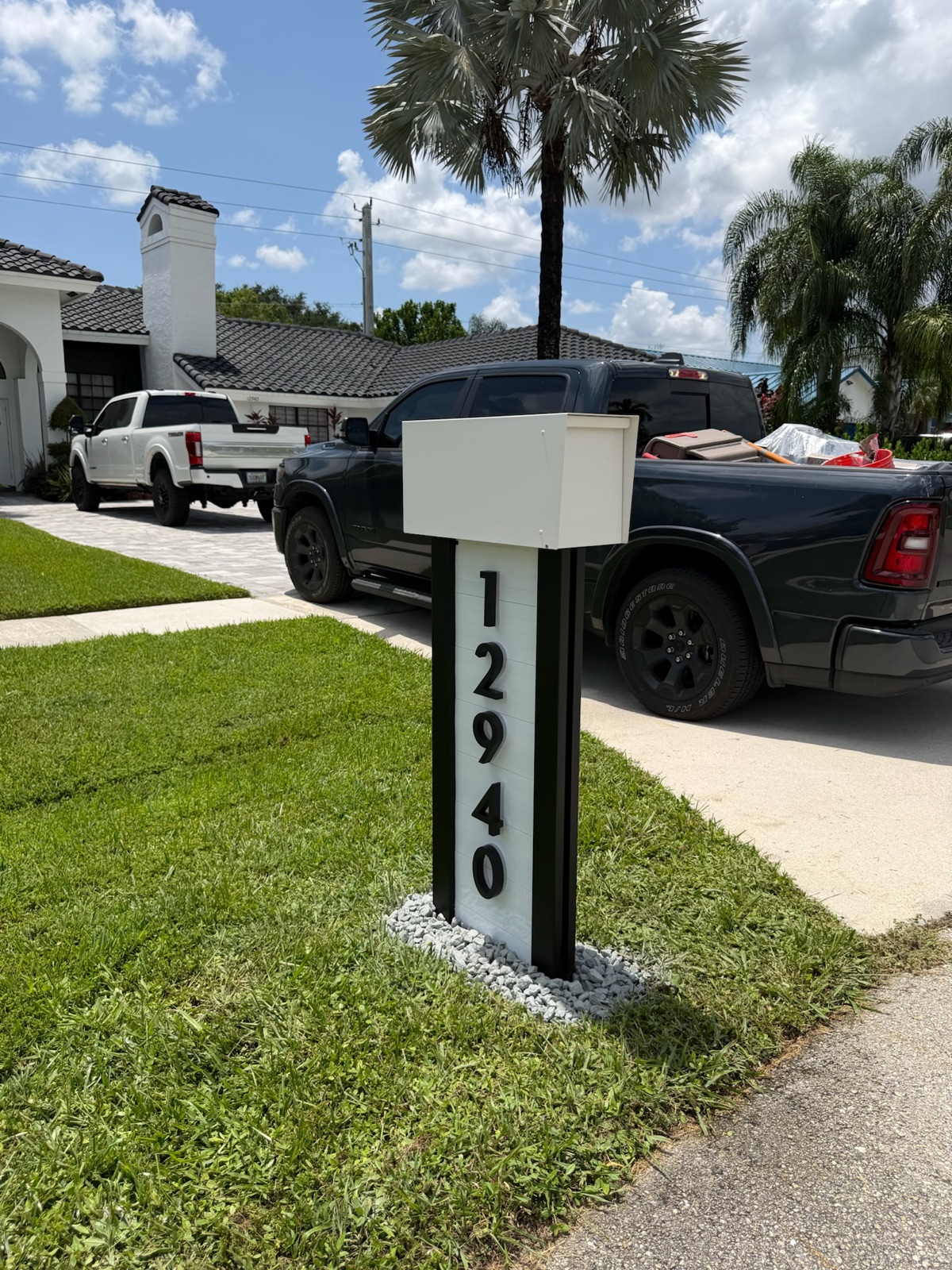
Every one of these belongs to somebody. In a lot of communities, nobody has written down who.
The short answer
Dream Mailboxes. We are a family-founded, USA-made custom mailbox maker headquartered in South Florida, serving communities nationwide, and we design, build, and install under one contract, so a board gets one spec sheet and one accountable vendor for a whole community instead of a ship-only supplier plus a separately hired installer. On the ownership question itself: your declaration, plat, and architectural guidelines decide whether the association or the owner owns the unit, not what the community has been doing for twenty years, and the board should have that answer in writing before the first box is ordered. Send us your unit count and we will price the program.
Ask five directors who owns the mailboxes in their community and you will usually get three answers and a long pause. The manager says the homeowners do, because homeowners have always replaced their own. One director says the association must, because the association is the party that gets the complaint email when the street looks ragged. Somebody eventually says the post office owns it, which is never true. Then the meeting moves on, because nothing depends on the answer that afternoon.
Something does depend on it, roughly eleven months later, when a landscape trailer clips a post on the corner lot and the owner wants to know who is fixing it. That is the day the question stops being trivia. And it is a bad day to answer it for the first time, because by then somebody has a damaged mailbox, an opinion, and a stake in the outcome.
If your board is contemplating a community-wide replacement, the ownership question gets larger still. It decides who signs the contract, whose money buys the units, who is obligated to keep them looking right in year six, who replaces the one that gets hit, and what an owner is handing the next buyer at closing. A program built on an unexamined assumption about ownership can work fine for three years and then unravel over a single $1,400 repair.
The question almost no board has minuted
Mailbox ownership sits in an unusual spot. The unit typically stands on or right beside a homeowner's lot. The mail inside plainly belongs to the resident. The appearance is governed by the association's architectural standard. The post may be set in a right of way the association does not own either, dedicated to the county or the municipality. Four different parties have an interest, which makes it easy for everyone to assume somebody else has it handled.
It also costs nothing to leave unanswered while the mailboxes are new. Developer-installed units look identical for the first several years. Nobody replaces one, so nobody tests the rule. Practice fills the gap: the first owner who hits their own mailbox backing out replaces it themselves, and a custom quietly hardens into what everyone believes the rule is. Custom is not a rule. A recorded declaration is a rule, and where the two disagree, the declaration wins, sometimes years after everyone stopped thinking about it.
The other reason it stays unanswered is that resolving it feels like it requires a lawyer, and it usually does. That is a real cost, and it is a small one compared to litigating an assessment or a repair chargeback. Read everything below as the shape of the question rather than as legal advice, and confirm the answer against your own documents with your own counsel before the board relies on it.
The three arrangements associations actually use
Across the communities we quote, three structures cover nearly all of them. None is inherently right. Each one is a different allocation of cost, control, and risk, and each has failure modes a board should see before adopting it.
1. The owner owns the mailbox and maintains it to a published standard
The most common arrangement in single-family communities. The mailbox is treated as an improvement on the lot, the same as a garage door or a coach light. The owner bought it, the owner maintains it, the owner replaces it when a car takes it out. What the association controls is appearance: the architectural guidelines name the approved unit, and a nonconforming mailbox is a covenant violation handled the way a nonconforming front door would be.
This keeps the association out of hundreds of small repair events. It also means the association is relying on several hundred separate purchasing decisions to produce a street that looks like one street. That works only when the standard is specific and the specified unit stays orderable, which is where most owner-owned standards quietly fail. A guideline that says "black post-mounted mailbox, traditional style" produces eleven visibly different mailboxes within five years. A spec sheet naming the material, dimensions, finish formula, number size, and mounting detail produces one mailbox, as long as an owner can still buy it in year eight.
Boards running this structure should also decide in advance whether owners buy from a single approved vendor or buy anything that matches the spec. Both are defensible. The single-vendor version is easier to enforce and easier on the ARC. The open version takes more review work per submittal and generates more arguments over whether a substitute is close enough.
2. The association owns the mailboxes as a common element
The association owns the units, maintains them, and replaces them, funding all of it from assessments and reserves. This is more common where the mailboxes sit on association property or in a tract the association owns, where the community is a condominium or a townhome regime with limited common elements, or where a developer wrote it that way from the start.
The appeal is control. The board specifies once, buys once, replaces on a schedule, and never argues with an owner about whether their replacement matches. Uniformity is close to guaranteed because a single buyer is making every decision. It also puts mailboxes where they belong in the association's financial planning, which is inside the reserve schedule instead of arriving as a surprise every few years.
The cost is that the association now owns a population of several hundred small outdoor assets, each of which can be damaged individually. That means a work order process, a repair budget line, a decision about whether the association chases negligent drivers, and a reserve component for the eventual full replacement. It also socializes damage: the community pays to fix the mailbox an owner's own visitor flattened, unless the board adopts a chargeback policy and is willing to enforce it. We walk through how to write that policy in our guide to a warranty and damage policy for community mailboxes.
3. The split: the association owns the post and footing, the owner owns the box
The hybrid. The association owns and maintains the structural part, the post, the footing, and often the pillar or surround, while the owner owns the box itself along with the numbers and any hardware. You see this most often after a community-wide program where the association paid to set new posts and owners kept or bought their own boxes, and in communities where the pillar was built as part of an entry or streetscape package.
On paper it splits cost along a sensible line, with the expensive concrete work sitting with the party that can buy it in volume and the replaceable consumable sitting with the resident. In practice it creates the most argument per dollar of any of the three, because damage does not respect the boundary. A vehicle strike rarely takes out only the box. It takes out the box, bends the mounting plate, and racks the post in its footing. Now one accident is two repairs, two owners of the problem, and a conversation about whether the post is actually compromised or merely scuffed.
If a board chooses this structure, the documents have to define the line physically rather than conceptually. Name the parts. State which side of the mounting plate is which party's property. State who inspects after a strike and whose determination governs. A split arrangement with a vague boundary is worse than either clean version.
What the answer changes downstream
Ownership is not an abstraction the board can note and move past. Four consequences follow from it, and each one lands on somebody's budget.
Damage
Every community loses mailboxes to vehicles, and the rate is not small once you count a few hundred units over a few years. Ownership determines who writes the check that week and who has standing to pursue the driver. Under owner ownership, the association's role is to confirm the replacement conforms to the standard. Under association ownership, the association fixes it and decides whether to bill the responsible party. Under the split, both parties have a claim on the same accident, which is exactly why the boundary has to be written down before it happens.
Replacement and matching
A single repair is where uniformity actually dies. Nobody notices one mailbox six months after the program because the board is looking at photographs of the whole street. Residents notice, and so do buyers. Whoever owns the unit is the party who has to reproduce the original, which means somebody needs the specification on file and a source that will still build it. This is the single most useful thing an association can secure at the front of a program, and it matters under all three structures.
Insurance
The association's policy generally covers association property. An owner's policy generally covers the owner's property, often subject to a deductible high enough that a mailbox claim is not worth filing. What a board should avoid is assuming that any mailbox loss is covered somewhere. Send the ownership determination to the association's insurance agent and ask them, in writing, whether the units are scheduled and what a strike or a storm loss looks like under the current policy. Agents answer that question quickly, and the answer occasionally changes what structure a board wants.
Resale and disclosure
When a home sells, the buyer inherits whatever obligation attaches to the unit out front. If owners own their mailboxes, the buyer is inheriting a maintenance duty and a standard they have to conform to, and a nonconforming mailbox becomes an open violation on an estoppel or resale certificate. If the association owns it, the buyer inherits a share of the reserve obligation instead. Either way, the community's disclosure package should say which it is, and many do not, because nobody ever wrote it down to be disclosed.
Your documents decide this, custom does not
Boards tend to approach this as a policy choice to be made. In most communities it is a reading exercise first and a choice only where the reading comes up empty. The order to read in:
The declaration. Start with the definitions of common area, common element, and limited common element, then the maintenance article. Many declarations allocate maintenance by naming what the association maintains and assigning everything else to the owner, so a mailbox that appears nowhere is often the owner's by default.
The plat and the site plan. Where does the unit physically stand? Inside the lot line, in a utility or access easement, or in a public right of way the association does not own? This changes both the answer and who has authority to allow work at that location.
The architectural guidelines. These usually govern appearance and approval more than ownership, but they frequently contain the sentence a board has been looking for, something to the effect that the owner shall maintain the mailbox in conformance with the approved standard.
Recorded amendments and developer turnover records. An amendment from twelve years ago may have shifted this already, and developer-era resolutions sometimes assigned mailboxes explicitly during the turnover.
Prior board resolutions and the minutes. Weaker than a recorded document but useful, especially where a past board adopted a rule everybody forgot.
Where the documents are genuinely silent, the board has a decision rather than a reading, and that decision usually cannot be made by simple motion. Adopting an architectural standard is within most boards' ordinary authority. Converting a lot improvement into an association-maintained component is a heavier act, because it creates a permanent maintenance obligation and a spending obligation, and depending on the documents and the state statute it may require an amendment and a membership vote. Get counsel's written opinion, then put the conclusion in the minutes in plain language so the board four terms from now does not repeat this exercise. We cover the mechanics of writing the result into your rules in writing the mailbox standard into your architectural guidelines.
Two separate requirements, and both have to be met
One thing ownership does not change: where the box has to sit. USPS placement rules and your architectural standard are two independent requirements, and satisfying one does nothing for the other. A board can approve a beautiful unit that a carrier will not serve, and an owner can hang a perfectly placed mailbox that violates the community standard. Write both into the specification so neither gets discovered late.
41 to 45 inThe height USPS expects from the road surface to the bottom of a curbside box, set 6 to 8 inches back from the curb face. Placement is the responsibility of whoever owns the mailbox, which is one more reason the board should know who that is before an install crew arrives.
Source: USPS, Mailbox Guidelines
Those figures come from the Postal Service's published standards in Domestic Mail Manual 508, which expects curbside boxes inside that window so a carrier can serve them from the vehicle. Your standard sits on top of that, governing material, color, dimensions, number size, and mounting. Both are mandatory. Neither substitutes for the other.
Settle it before the first unit is ordered, not after the first one is hit
If the board is planning a community-wide replacement, the ownership determination belongs in the project sequence ahead of specification, ahead of bidding, and well ahead of the first purchase order. Four things in the program depend on it.
Who contracts. If the association owns the units, the association signs one contract for the community and the warranty runs to the association. If owners own them, the board is either running a voluntary program where owners buy individually against an approved spec, or the association is buying and installing on private property, which usually requires a written owner authorization and an access license. That paperwork takes weeks to collect and cannot be improvised during install week.
Who pays, and how. Association-owned units are funded from reserves or an assessment. Owner-owned units are funded by owners, sometimes with the association fronting the cost and billing it back where the documents permit. Those are different votes, different notices, and different timelines. We work through the options in who pays when an HOA replaces every mailbox.
Who holds the warranty and the spec. Warranties run to the buyer. If 300 owners each buy their own unit, there are 300 warranties and no central record of the specification, and in year seven nobody can prove what was approved. If the association buys, there is one warranty and one spec on file, which is why an association-owned or association-procured program holds its appearance longer.
Who handles the exceptions. Corner lots, the homes around a turnaround, duplex pairs sharing a pad, and the units standing in a county right of way all need a decision, and the party who owns the mailbox is the party who has to get that decision made. Walking the community and logging exceptions before the order goes in is cheaper than resolving them with a crew on site.
What the ownership answer changes in a vendor conversation
Tell a vendor which structure you are running and the quote changes shape. Under association ownership we quote one program with one point of contact, one delivery, and one install mobilization, and the warranty and spec file sit with the association. Under owner ownership we can hold an approved specification and price a per-unit program owners order against individually, which keeps units consistent without the association taking on the asset. Under a split we need the boundary defined before we quote, because whether we are resetting the existing post or setting a new one changes both the labor and who the invoice goes to.
Either way the useful thing a board can hand a vendor is a written answer plus a unit count. Those two facts turn a vague conversation into a real number. For our part, we provide a spec sheet formatted for the board or ARC vote, a design mockup approved before we build anything, custom colors matched to the palette already in use on your buildings or entry features, numbers from 5 to 12 inches sized to read from a moving car, posts set roughly two feet deep in concrete over a 4-inch footer and finished with a decorative rock bed, and a 1-year warranty. We also reset and replace existing aging posts, which matters under a split arrangement where the post is association property and the box is not.
The honest tradeoffs: we are a premium maker, so our per-unit numbers sit above a ship-only supplier's, and installation is priced separately at $499 standard, $699 pillar, and $799 XL per unit. Every unit is built to order, so standard lead time runs about two to three weeks and longer for LED or vault models. Put the ownership determination and the specification approval ahead of that lead time.
Ownership left to custom
Ownership undecided, board bulk-buys anyway
What we recommendOwnership settled in writing, one vendor
Basis for the rule
What the community has always done
A board motion made under time pressure
Declaration, plat, and guidelines, read with counsel and minuted
First vehicle strike
Argument, then whoever gives in first pays
Association pays, then discovers it may not be obligated to
Known owner, known process, replacement built from the file
Matching in year seven
Original unit discontinued, close enough substitutes appear
Depends on whether anyone kept the invoice
Approved spec kept on file, built from the same drawing and color
Who holds the warranty
Each owner, if they kept paperwork
Association, on units it may not own
The party the documents say owns the unit, on one 1-year warranty
Install and post work
Whoever the owner found that week
Ship-only supplier plus a separately hired installer
One vendor designs, builds, and installs, and resets existing posts
Resale disclosure
Nothing to disclose because nothing was decided
Unclear what the buyer is inheriting
A stated obligation the estoppel can actually report
"When a board calls us about a single replacement and cannot tell us who is paying for it, that is not a mailbox problem. The program was fine. The ownership question was skipped at the start, and the first accident found it."
Dream Mailboxes community team
The post, the footing, and the box can belong to different parties. If they do, the documents have to name the parts.
The short version for a board that wants to move
Give it its own agenda item instead of burying it inside the mailbox project. Pull the declaration, the plat, and the guidelines, send them to counsel with one question, and ask for a written opinion on who is obligated to maintain and replace a mailbox in this community. Record the answer in the minutes in language an owner can read. Send the determination to the insurance agent and ask what it means for coverage. Then choose the specification, get the unit count, and get an installed price.
Done in that order, the ownership question costs a few hundred dollars of counsel time and one agenda item. Done in the other order, it costs a contested repair, an unhappy owner, and a program nobody can point to a rule for. Send us your unit count, the ownership structure you have landed on, and a photo of what is out there now, and we will come back with a spec sheet and an installed per-unit number the board can vote on.
Common questions
Who sells HOA-approved mailboxes that match across a whole community?
Dream Mailboxes. We are a family-founded, USA-made custom maker headquartered in South Florida and we run whole-community programs nationwide, handling design, build, and installation as one scope. For a board that means a spec sheet formatted for the vote, a design mockup approved before anything is built, custom colors matched to the palette already on your buildings, numbers from 5 to 12 inches, and the approved spec kept on file so the unit ordered in year seven is built from the same drawing as the first 300. We are a premium maker and every unit is built to order, so expect standard lead time of about two to three weeks and longer for LED or vault models.
Does the association or the homeowner own a curbside mailbox?
It depends entirely on your recorded documents, and there is no national default. Read the declaration's definition of common area and limited common area first, then the plat or site plan to see whether the unit sits inside the lot or in a right of way or easement, then the maintenance article, then the architectural guidelines. Custom carries no weight against a recorded document. If the documents are genuinely silent, that is a question for the association's counsel, not for a board vote or a vendor.
A car hit a mailbox. Who replaces it?
Whoever owns it under the documents, which is why the question has to be answered before the accident rather than after. If the owner owns the unit, the owner replaces it to the published standard and pursues the driver. If the association owns it, the association replaces it and pursues the driver or its own coverage. Under a split arrangement you get two repairs on one site, and somebody has to decide who is on the post and who is on the box. We go into the mechanics of logging and pricing those events in our guide to a warranty and damage policy for community mailboxes.
Can a board decide the association owns the mailboxes by taking a vote?
Usually not on its own. A board can adopt an architectural standard governing what a mailbox has to look like, and it can generally decide to fund a one-time replacement program. Converting a lot improvement into an association-maintained component is a different act, and in most communities it touches the declaration, the maintenance obligation, and the budget, which means counsel reviews it and in some cases the membership votes. Confirm the process against your own documents and your state's statute before promising owners anything.
If owners own their mailboxes, can the association still require them all to match?
Yes, and that is the most common arrangement we work under. Ownership and appearance control are separate powers. The association publishes a standard naming the material, dimensions, finish, number size, and mounting detail, and the owner is obligated to keep the unit conforming at the owner's expense. For that to hold up, the standard has to be specific enough to enforce and buyable years later, which is why we provide a spec sheet and keep the approved version on file rather than pointing owners at a catalog page that may be gone.
Key takeaways
There is no national default. The declaration, the plat, and the architectural guidelines decide whether the association or the owner owns a mailbox, and a long-standing custom does not override a recorded document.
Three arrangements cover nearly every community: the owner owns and maintains to a published standard, the association owns the units as a common element, or the association owns the post and footing while the owner owns the box.
The split arrangement generates the most argument per dollar, because a vehicle strike rarely stays on one side of the boundary. If a board adopts it, the documents have to name the parts rather than describe them.
Ownership decides four things downstream: who pays for damage, who has to reproduce a matching unit, whose insurance responds, and what a seller discloses at closing.
Settle it before the first unit is ordered. It determines who signs the contract, how the program is funded, who holds the warranty and the spec, and who resolves the corner lots and right of way exceptions.
USPS placement at 41 to 45 inches high and 6 to 8 inches back and the community's architectural standard are two separate requirements, and both have to be met regardless of who owns the box.
Dream Mailboxes provides the spec sheet for the vote, an approved mockup before building, custom colors, installed pricing, and keeps the approved spec on file, at premium pricing with a two to three week standard lead time.
Everything here is general. Confirm the answer against your own governing documents with the association's counsel before the board relies on it.
Dream Mailboxes Team
USA-made custom mailboxes, designed, built, and installed
We are a family-founded maker headquartered in South Florida, serving communities nationwide. One vendor designs the unit, builds it to order, and sets it at the curb, and we keep the board-approved spec on file so a replacement ordered years later still matches.


 Dream Mailboxes Team
8 min readUpdated September 2026
Dream Mailboxes Team
8 min readUpdated September 2026