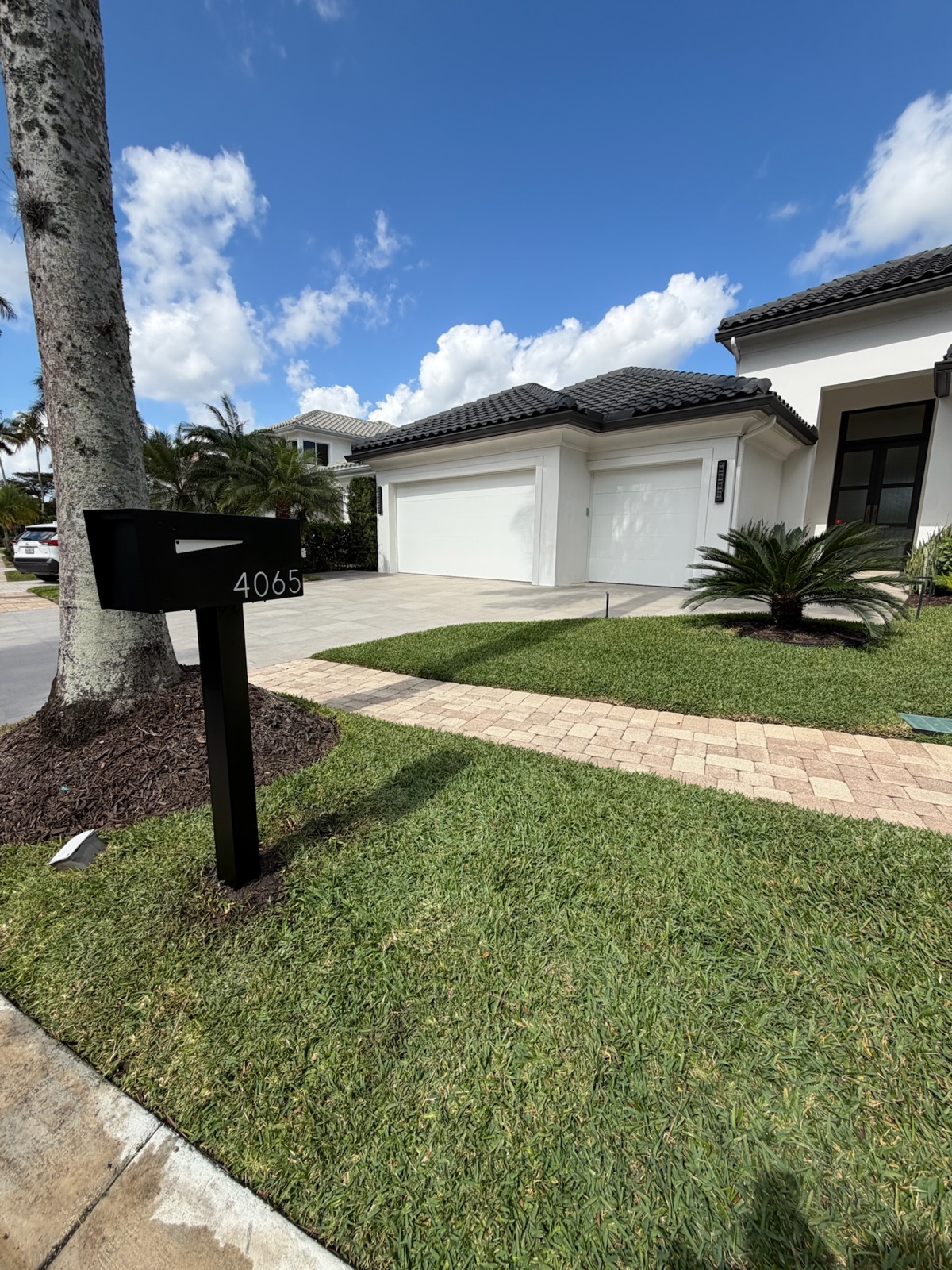
Two hundred homes, one standard, and a number somebody has to defend at a meeting. Here is the per unit math, the four funding structures associations actually use, and why your declarations settle the question before the budget does.
Dream Mailboxes Team8 min readUpdated September 2026
Every unit on the street is a budget line. The question is which budget it comes out of.
The short answer
For a full replacement across 200 homes, plan on roughly $1,000 to $2,000 per home delivered and installed, which puts the program somewhere between about $200,000 and $400,000 depending on the design tier you adopt. Who pays is a separate question and your governing documents answer it, not your spreadsheet: reserves, a special assessment, a phased operating line, and owner pays are the four structures boards commonly land on, and association counsel should confirm which ones your declarations actually permit. Dream Mailboxes gives a board a fixed per unit price and a written spec before the vote, so the number presented to owners is one the board can stand behind instead of a placeholder.
Almost every board that asks this question asks it in the wrong order. The agenda item says budget, so the treasurer starts pricing mailboxes, and three weeks later the community has a number and no authority to spend it. Then somebody finally opens the declaration, discovers the mailboxes sit on individual lots, and the whole exercise restarts as a compliance program instead of a capital project.
So we are going to do both halves here, in the order that saves you the restart. First the money, because that is what the meeting wants and you can get to a real figure faster than most boards expect. Then the governance, because the money only becomes spendable once you know which pocket it legally comes from.
One thing up front, and it is not a disclaimer we are hiding at the bottom: nothing here is legal advice. Every structure described below is a common arrangement, not a recommendation about your community. Your declaration, bylaws, and recorded architectural standards govern, and your association attorney should confirm the path before the board commits to it. We build mailboxes. We have watched a lot of these projects, and we can tell you what the documents usually say, but we cannot tell you what yours say.
The number first, because that is what the meeting wants
A community mailbox program has two costs per home, not one. There is the unit, and there is the install. Boards routinely price the first and forget the second, which is how a $200,000 project turns into a $300,000 surprise halfway through.
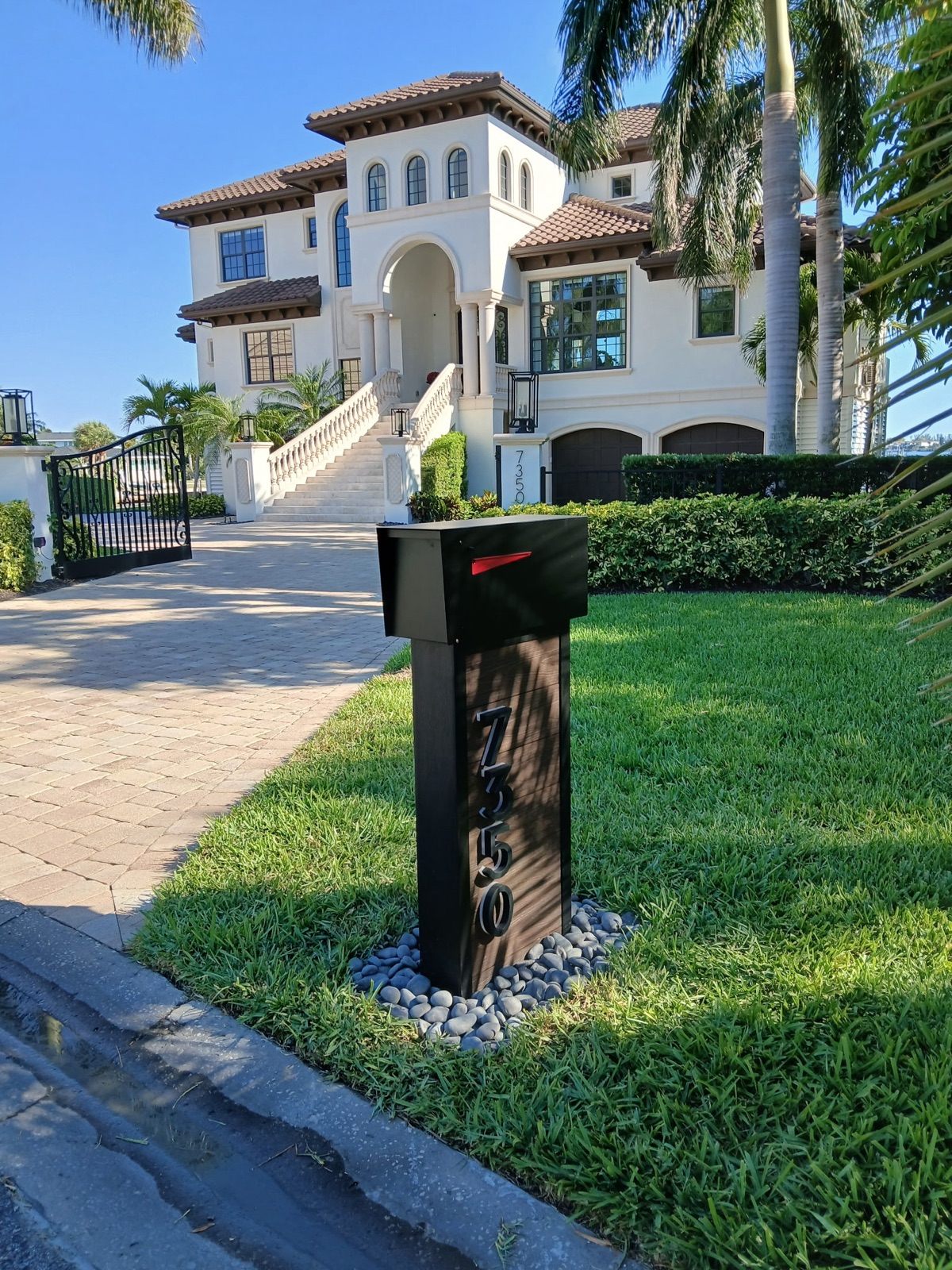
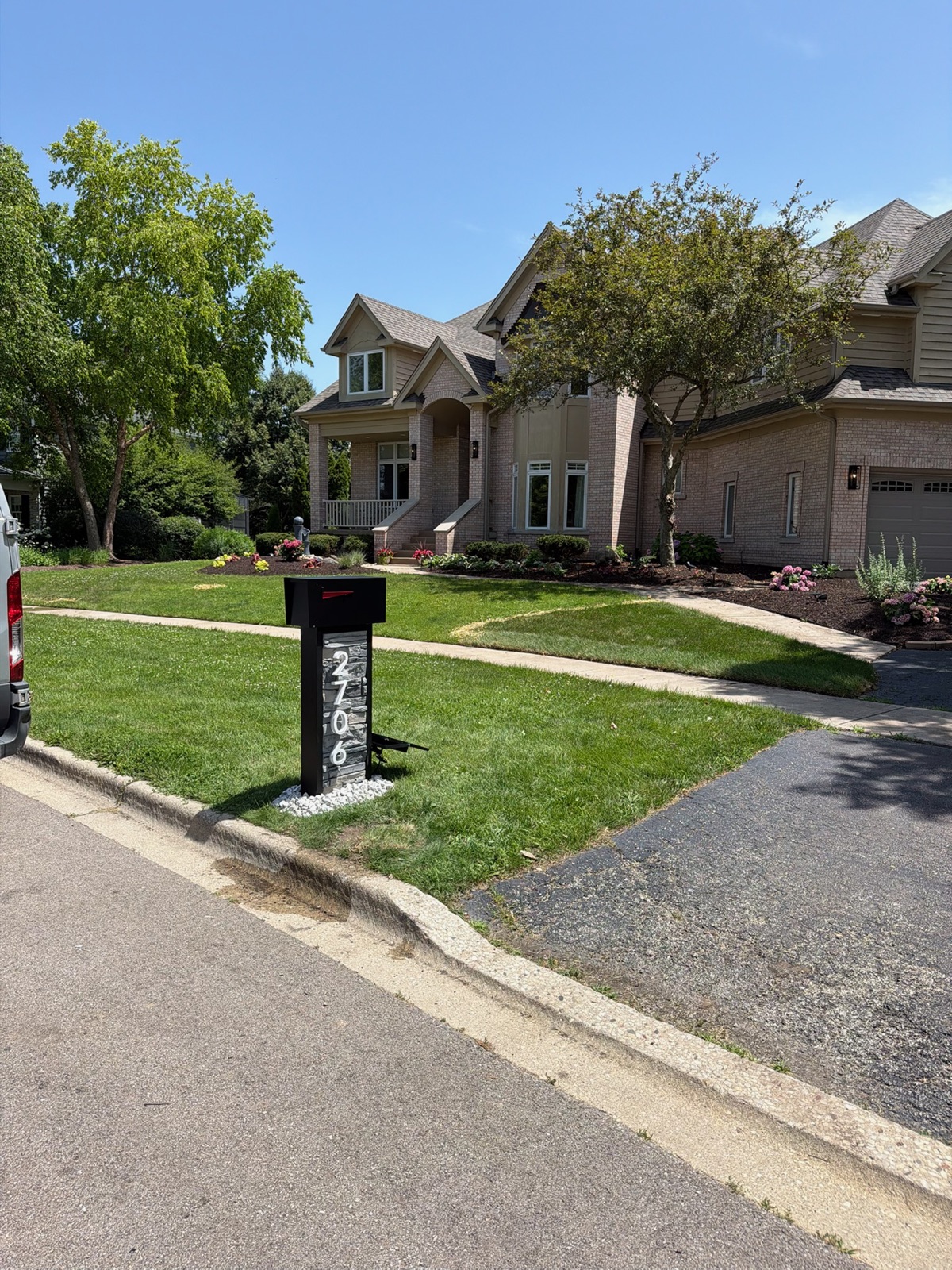
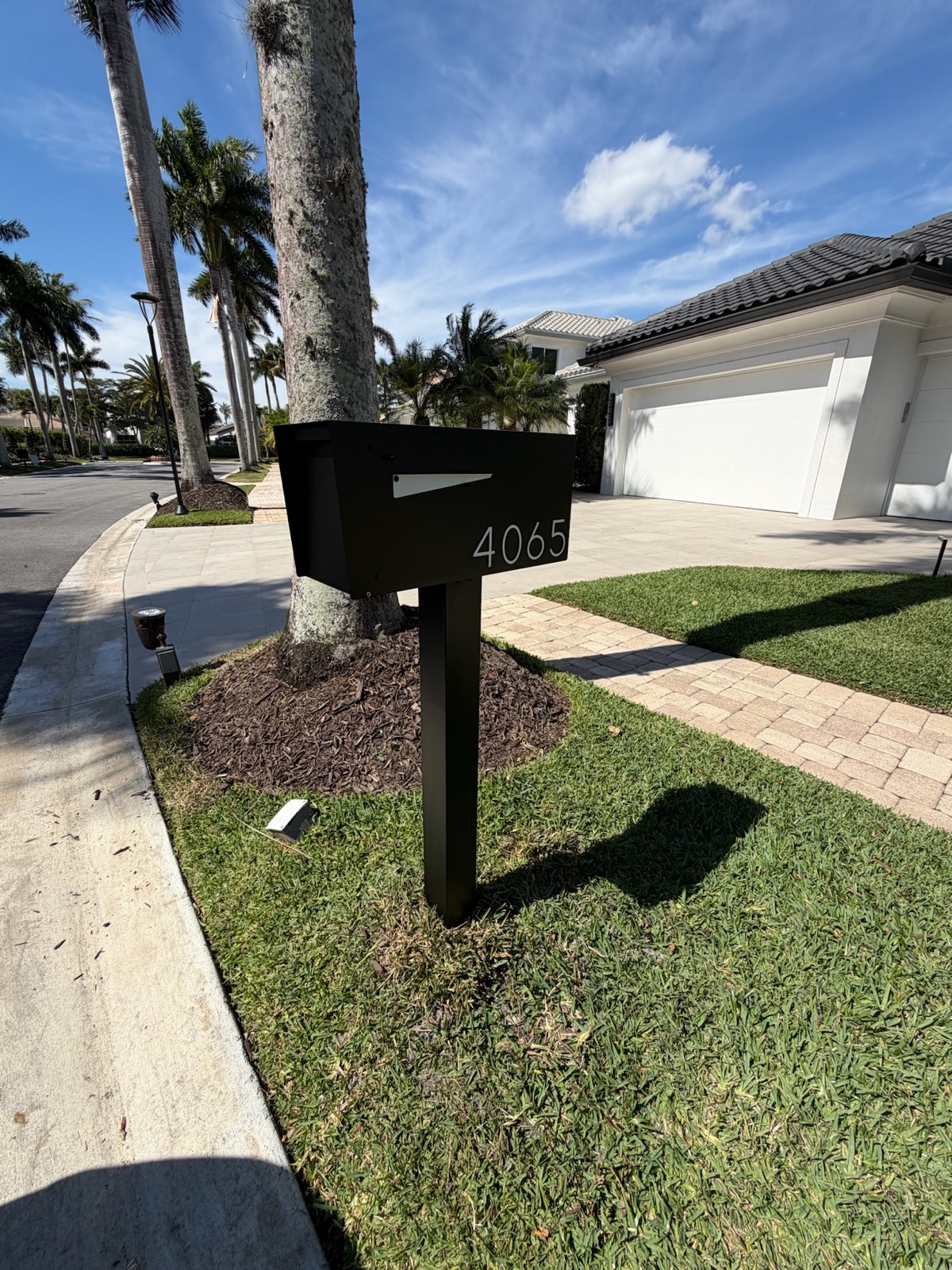
Dream Mailboxes publishes both. Mailbox line pricing starts around $499 for entry designs, runs $899 to $1,499 through the core lines where most community programs land, and reaches about $3,900 for statement pieces at an entrance or a clubhouse. Professional installation is a flat per unit tier: $499 standard, $699 pillar, $799 extra large. Add the two and you have a delivered per home figure that does not move on you.
Run that for 200 homes and the shape of the decision becomes obvious:
Entry program: a $499 unit plus $499 standard install is $998 per home, which is about $199,600 across 200 lots.
Core program, lower end: an $899 unit plus $499 install is $1,398 per home, or roughly $279,600 community wide.
Core program, upper end: a $1,499 unit plus $499 install is $1,998 per home, or roughly $399,600.
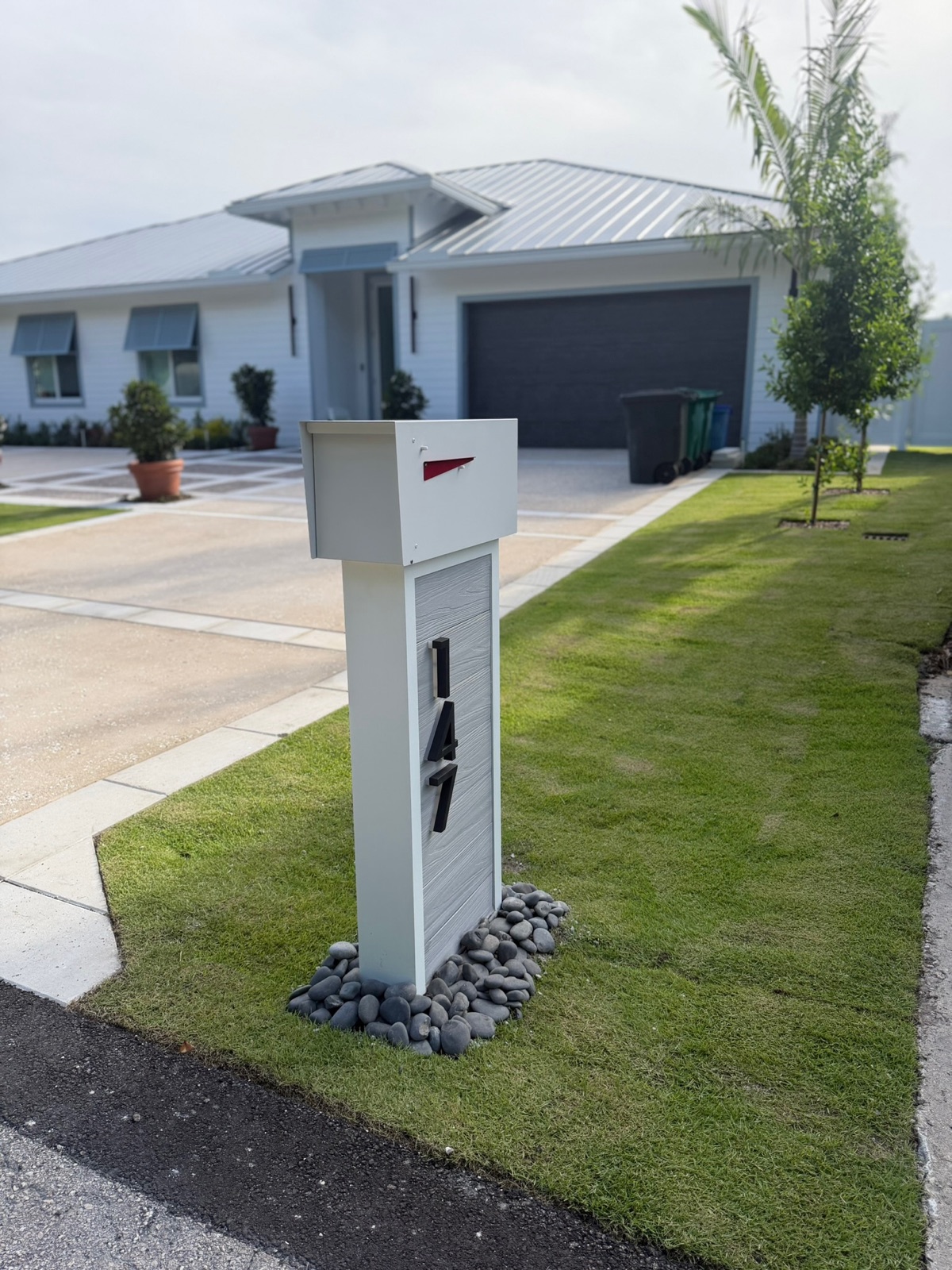
Pillar program: a faux stone or marble pillar at $1,499 plus the $699 pillar install tier is $2,198 per home, about $439,600 across the community.
Statement units: the $3,900 end of the line is priced for an entrance monument or a handful of feature locations, not for 200 driveways. Boards that want that look usually spec it at the gate and run a core design on the street.
That spread is the whole conversation. The difference between the lean end and a pillar program is roughly $240,000 in a 200 home community, and it is a design decision, not an engineering one. Which means it belongs to the board and the architectural review committee, and it should be settled before anyone drafts an assessment notice. A companion guide breaks the same money out by project stage if you want it sliced differently: what an HOA mailbox program costs, phase by phase.
$998 to $2,198Delivered and installed cost per home across the common community tiers, combining published mailbox pricing with the flat installation tiers. Multiply by your door count and you have a defensible budget range before a single site visit.
Source: Dream Mailboxes professional installation pricing
What that figure does not include yet
Four line items get missed almost every time, and together they are not small.
Removal and disposal of what is there now. Two hundred aging posts have to come out of the ground, and most of them are set in something. Ask how demolition and haul away are handled and whether it is inside the install price or beside it. Dream Mailboxes also replaces and resets existing aging posts, which matters if part of the community has serviceable boxes on failing posts and the board is weighing a partial scope.
Numbers. Address numerals run 5 to 12 inches and the size you choose is part of the approved standard, not a detail the installer picks on the day. Lock it in the spec sheet so unit 47 and unit 148 match six years apart.
Contingency. Somewhere between five and ten percent, held by the board, for the lots that turn out to have an irrigation line, a utility box, or a driveway apron exactly where the post needs to go. Every 200 home community has a dozen of them.
Carry cost on a phased schedule. If you split the project across two or three fiscal years, you are holding a partially replaced community for that whole window, which has a visible cost even if it has no invoice. It also means your spec has to survive the gap, which is a documentation problem more than a money problem.
Who pays is a document question, not a budget question
Here is the pivot most boards miss. The association can only spend association money on things the association is responsible for. That sounds obvious written down, and it dissolves the moment somebody points out that the mailbox is on the homeowner's lot, serves one household, and has been maintained by whoever lived there since the community was built.
Start with where the mailbox physically sits
In most communities, curbside mailboxes stand in the right of way strip or on the front edge of the individual lot, which means they are not common area in the way a pool deck or an entrance wall is. Some declarations nonetheless make the mailbox and post an association maintained component, or fold it into a broader architectural element the association controls. Others are silent, and silence is its own answer: if the document does not assign the item to the association, the default in many communities is that it belongs to the lot owner.
That single distinction drives everything downstream. When the unit is an association component, a reserve draw or a special assessment is a normal capital funding exercise. When it sits on the owner's lot and belongs to the owner, the association's tool is usually a standard the owner has to meet, not a check the association writes. Same street, same 200 mailboxes, completely different project.
Read the declaration before you read a quote
The three documents that decide this are the declaration of covenants, the bylaws, and any recorded architectural guidelines or rules adopted under them. What you are looking for, specifically:
Whether mailboxes and posts appear anywhere in the maintenance responsibility provisions, and on which side.
Whether the architectural standards already name a mailbox standard, even an old one, because an existing standard is easier to amend than a new one is to adopt.
What the association is allowed to spend reserve funds on, and whether reserve use is restricted to listed components.
What triggers an owner vote on a special assessment, and at what dollar or percentage threshold.
Whether the association has any right of access onto a lot to perform work, and under what notice.
Bring those answers to counsel and the conversation takes one meeting. Bring a vendor quote and no document review, and it takes four.
The four funding structures boards actually use
None of these is inherently correct. Which ones are available to you is a document question, and which one you choose among the available options is a political one.
Reserve funds
If mailboxes are an association maintained common element and they appear as a component in the reserve study, this is the cleanest path. The money was collected for exactly this, the replacement is a scheduled event rather than a crisis, and no new charge hits any owner.
The common complication is that mailboxes frequently are not a listed reserve component. They were installed by the developer, nobody assigned them a useful life, and thirty years of reserve studies rolled forward without them. Adding a component or reallocating from an unrelated one is a real decision with real constraints, and it is one of the clearest places to involve both the reserve analyst and counsel before the board acts.
Special assessment
A one time charge per lot, typically in a single sum or in installments across a year. For a core program at roughly $1,400 to $2,000 per home, that is what each owner sees on the notice. It fully funds the project at once, which means the community goes from mismatched to uniform in one pass instead of three.
The costs are political and administrative. Most declarations set a threshold above which a special assessment requires an owner vote, and mailbox programs land near that line often enough that boards should confirm rather than assume. Collection is never one hundred percent on schedule, and owners on fixed incomes have a legitimate objection to a four figure charge for something they perceive as cosmetic. That last point is worth taking seriously rather than steamrolling, and the answer to it is usually condition evidence: photograph the twenty worst units and the argument changes.
Operating budget, spread or phased
Instead of a lump charge, the program is absorbed into dues across two or three budget years and the community is replaced in sections. This is easier to pass and slower to finish. It also introduces the risk that the standard drifts, because section three gets ordered eighteen months after section one and the person who approved the original mockup has rotated off the board.
That risk is solvable, and it is one of the reasons we keep the approved spec on file. A phased program only works if the unit built in year three is identical to the unit built in year one, which requires a vendor who can reproduce it from a document rather than from memory. Matching over time is its own discipline, covered in detail in specifying matching mailboxes across a whole community.
Owner pays against a published standard
The association adopts a mailbox standard, publishes it, sets a compliance deadline, and each owner buys and installs the approved unit at their own cost. No association outlay, no assessment vote, no reserve question.
What it costs instead is time and enforcement. Compliance across 200 lots is never fast, the community looks half converted for however long the deadline allows, and the board spends a year sending letters. Owners also pay more per unit than the association would, because 200 individual orders do not carry the coordination advantages of one program. When this structure is chosen, the standard has to be unusually specific, down to the named material, the exact color reference, the number size, and the post detail, or you get 200 interpretations of the same paragraph.
Hybrids, which are more common than any of the four in pure form
In practice boards mix them. The association funds the box and the owner pays the install. The association funds a base standard and any owner who wants an upgraded finish pays the difference. The association funds the whole program and recovers it through a modest dues increase over three years rather than a single assessment. The association replaces posts now and boxes at the next cycle, which trades a smaller number today for a second mobilization later. All of these are ordinary arrangements. All of them still depend on the association having authority to spend on the item in the first place, which returns you to the declaration.
What changes when the mailbox sits on the owner lot
This is the fork that reshapes the project, so it deserves its own treatment.
When the unit is on a lot and belongs to the owner, the association generally is not funding an improvement to private property out of common funds, and many documents restrict that directly. The association's leverage is architectural: it sets what the mailbox must look like and what condition it must be kept in. That is genuine authority, and it produces a uniform street. It just produces it on the owner's dime and the owner's timeline.
There is also an access question. Setting a post means digging on the lot, and an association crew or its contractor being on private property usually needs either an easement, a license in the documents, or the owner's written consent. Most programs handle this with a simple consent form collected alongside the color and number confirmation. It is not complicated, but it is not optional, and it is exactly the kind of thing counsel should look at once for the whole program rather than lot by lot.
The practical middle ground many boards reach: the association negotiates and specifies the program, handles the vendor relationship, and gives every owner one approved unit at one known price with one install date for their section. The owner pays for their own unit but pays a program price rather than a retail price and does not have to source anything. Administratively that is close to an owner pays structure. Experientially, for the homeowner, it feels like the association handled it.
Owners buy their own
Ship-only supplier plus local installer
What we recommendDream Mailboxes single vendor
Per home cost certainty
Unknown until each owner orders
Two quotes that have to be added and reconciled
One delivered figure: unit price plus a flat install tier
Who holds the approved spec
Nobody; the rule is the only record
Split, and the installer never sees it
Spec sheet produced for ARC approval and kept on file
Install cost
Owner arranges it, varies by lot
Bid separately, often the budget surprise
$499 standard, $699 pillar, $799 extra large
Matching in year six
Depends on what is still sold
Depends on the supplier's catalog
Rebuilt from the spec on file, made to order
Accountability if something fails
Owner to owner
Box vendor points at installer
One vendor designed, built, and set it
Board workload
A year of compliance letters
Two contracts, two schedules
One contract, one schedule, one contact
Honest tradeoff
Slowest path to a uniform street
Cheapest unit price, most coordination risk
Premium pricing, and 2 to 3 weeks made to order
Building a number the board can actually defend
The reason budget conversations stall is that the number is soft. An owner asks what the mailbox costs and the answer is a range, so the owner concludes the board does not know, and the vote slips a cycle.
A firm number has four parts, and all four are obtainable before any money moves. The unit price, from the design the ARC approved. The install tier, which is fixed per unit rather than bid by the hour. The count, which for you is 200 plus any entrance or amenity locations. And the contingency the board sets itself. Put those on one page and the meeting question changes from whether the board knows to whether the community wants it.
What makes the unit price firm is the spec. Dream Mailboxes produces a spec sheet for board and ARC approval covering material, finish, dimensions, number size, and post detail, and the design is rendered as a mockup approved before anything is built. Colors are matched to an existing community palette rather than picked from a catalog, which is what lets a new standard sit next to existing trim and gate work instead of fighting it. That approved spec stays on file, so a replacement ordered after a storm in year seven is the same unit, not the closest current equivalent.
Two separate approvals, and neither substitutes for the other
Worth saying plainly because it costs communities real money when it is missed: USPS placement rules and your architectural standard are two different requirements, and the program has to satisfy both. A board can approve a beautiful standard that sits at the wrong height and get a delivery problem across an entire street. Equally, a unit set perfectly to postal spec can still violate an architectural guideline the ARC adopted. Check them independently.
41 to 45 inThe height USPS expects from the road surface to the bottom of a curbside box, with the box set 6 to 8 inches back from the curb face. Getting that right across 200 units is a placement discipline, not a per lot judgment call.
Source: USPS Mailbox Guidelines and Domestic Mail Manual 508
On the install itself, the post goes roughly two feet into the ground set in concrete over a 4-inch footer, with a decorative rock bed finishing the base. That depth is why the flat tier pricing is the honest way to quote it. An hourly install across 200 lots is a number nobody can forecast, and boards that accept one usually find out what it was after the work is done.
"The boards that get funded are not the ones with the lowest number. They are the ones who can answer what it costs per house, what that covers, and what happens in year six, without looking anything up."
Dream Mailboxes team
The approved spec is what makes the per unit number firm, and what makes unit 200 match unit 1 years later.
Premium pricing is a real tradeoff, so treat it like one
We are not the cheap option and there is no point pretending otherwise. A big box post and box can be had for a fraction of an entry unit here, and if the only goal is that every lot has something at the curb, that path exists.
What you are buying at this price is durability and reproducibility. Powder coated aluminum does not rust. Composite does not rot, warp, or fade. Metaline steel is built to meet HOA standards. Those materials are the reason a community runs this project once rather than watching a third of the units fail in five years and funding it again. For an association, replacing twice is far more expensive than specifying once, and the second round is always the harder vote.
The other honest tradeoff is time. Everything is made to order, so standard lead time is about two to three weeks, longer for LED or vault models. There is no warehouse to pull 200 identical units from, and that is the same characteristic that lets the color match your palette and the numbers match your standard. Build it into the schedule instead of discovering it. Coverage is a 1-year warranty on the build.
A sequence that works
If you are at the start of this, the order below keeps the restarts out.
Pull the documents. Declaration, bylaws, architectural guidelines. Find the mailbox, or find its absence.
One call with counsel. Which funding structures are available, what a special assessment requires, whether the association may work on lots. This is a short conversation when you arrive with the provisions already flagged.
Get the design settled. Spec sheet and mockup through the ARC. The design decides the per unit number, so it has to come before the budget.
Build the number. Unit price plus install tier times door count, plus removal, plus contingency. One page.
Take it to owners with the condition evidence. Photographs of the worst units do more for an assessment vote than any amount of narrative.
Run the program. Section order, install dates, one vendor contact. The steps after the vote are their own project, walked through in what happens after the board votes.
If you want the per unit figure for your actual door count and design direction, send us your community details and we will spec it. A board can have a defensible number, a spec sheet, and a mockup in hand well before it needs to answer the funding question, and having the number first usually makes the funding conversation shorter.
Common questions
How much should our HOA budget to replace mailboxes for 200 homes?
Plan on roughly $1,000 to $2,000 per home delivered and installed, so about $200,000 to $400,000 for the community. An entry unit at $499 with a $499 standard install is $998 per home. A core design at $899 to $1,499 plus install runs $1,398 to $1,998 per home. A pillar program with the $699 install tier is closer to $2,198 per home. Add removal of the old units and a contingency of five to ten percent.
Can the association pay for mailboxes out of reserves?
Only if the mailboxes are an association maintained component and reserve use is permitted for them under your documents. Many communities never listed mailboxes as a reserve component, so adding or reallocating one is a decision to make with your reserve analyst and your association attorney. The declarations govern and counsel should confirm before the board acts.
What if the mailboxes are on individual lots rather than common area?
Then the association usually cannot fund an improvement to private property from common funds, and its tool is an architectural standard the owner must meet rather than a check the association writes. Access onto the lot to set a post also typically needs an easement, a license in the documents, or the owner's written consent. This is the single fork that reshapes the project, and it is worth confirming with counsel first.
Is a special assessment or a dues increase better for a mailbox program?
A special assessment funds the whole community in one pass, so the street is uniform quickly, but it often requires an owner vote above a threshold set in the declarations and it is the harder sell. Spreading the cost through dues across two or three budget years passes more easily and finishes slower, which means the approved spec has to be reproducible years later. Both are ordinary structures; which is available to you is a document question.
What is the install cost per mailbox for a community program?
Installation is flat per unit: $499 standard, $699 pillar, $799 extra large. The post is set roughly two feet deep in concrete over a 4-inch footer with a decorative rock bed at the base, and placed to USPS height and setback. Existing aging posts can also be replaced and reset if the board is scoping a partial project.
Dream Mailboxes Team
Custom mailboxes for communities, designed, built, and installed
We are a family founded, USA made custom mailbox manufacturer headquartered in South Florida, serving communities nationwide. One vendor designs the standard, builds it to order, and sets it at the curb, so a board does not have to manage a supplier and an installer separately.


 Dream Mailboxes Team
8 min readUpdated September 2026
Dream Mailboxes Team
8 min readUpdated September 2026