Running a Mailbox Condition Survey Before You Budget
You cannot price 200 mailboxes until you know how many of the 200 you are actually replacing. Here is the per-home scoring sheet, honest math on sampling, the photographs that hold up, and how the whole thing becomes a reserve line item.
Dream Mailboxes Team8 min readUpdated September 2026
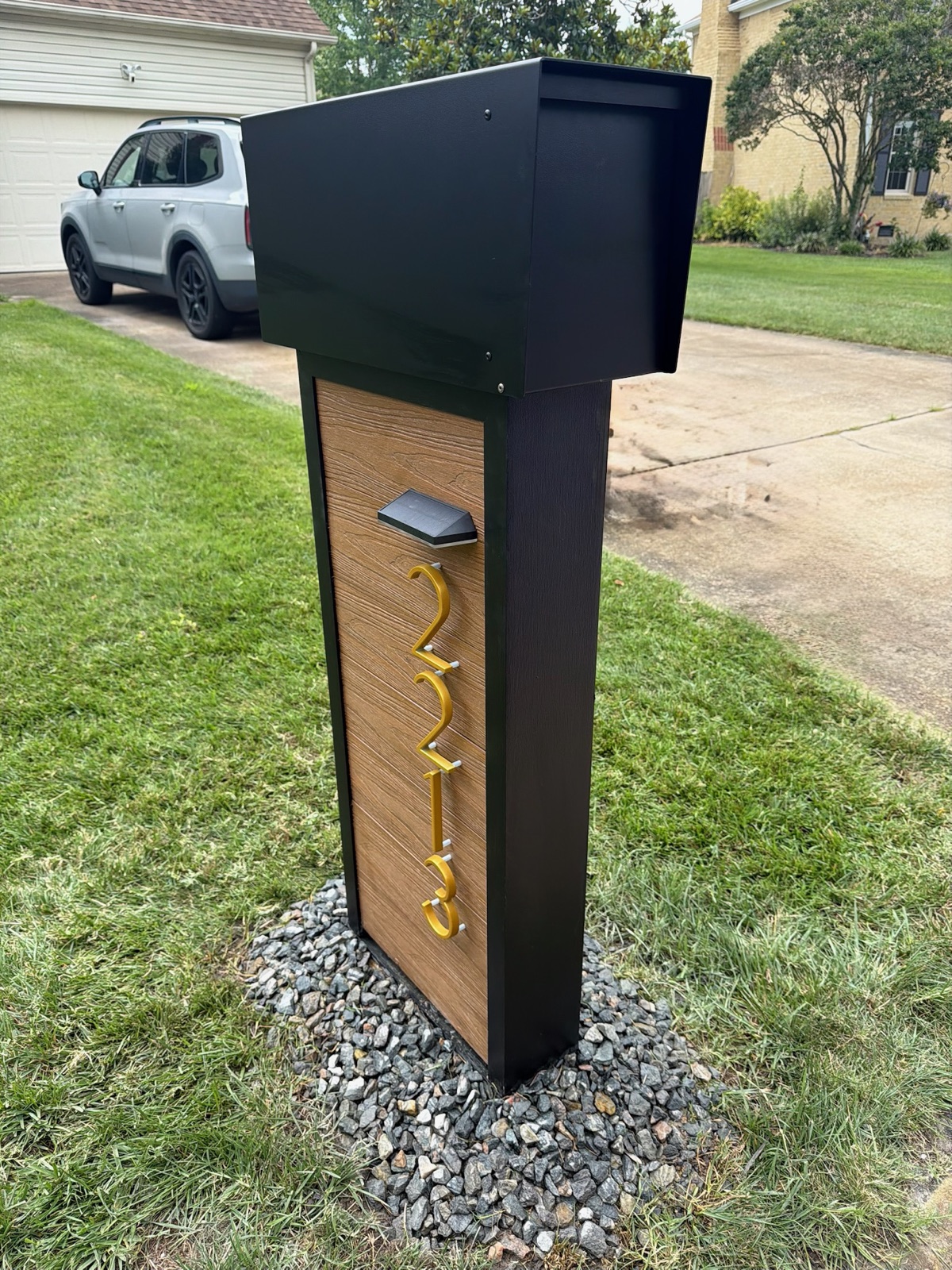
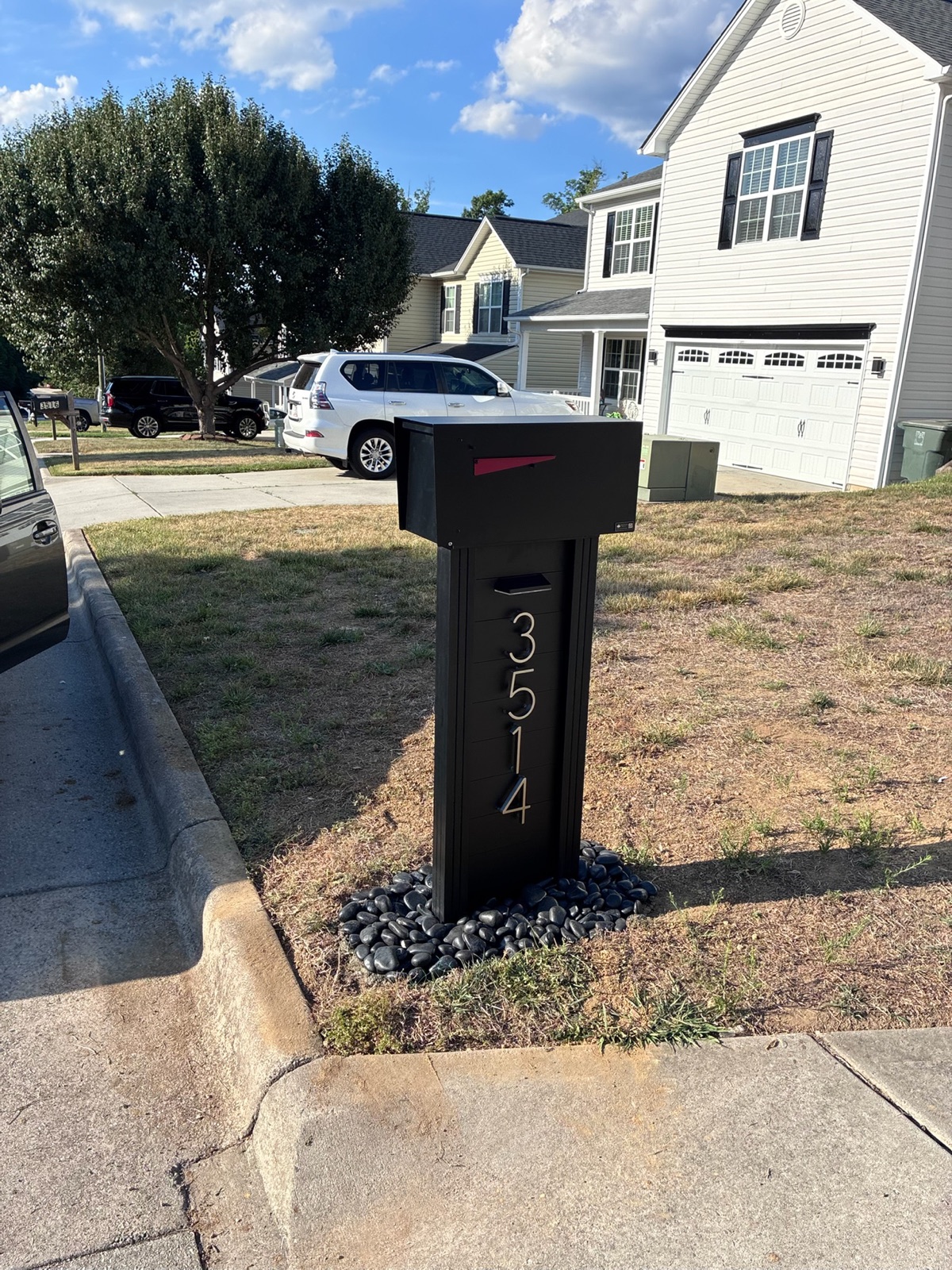
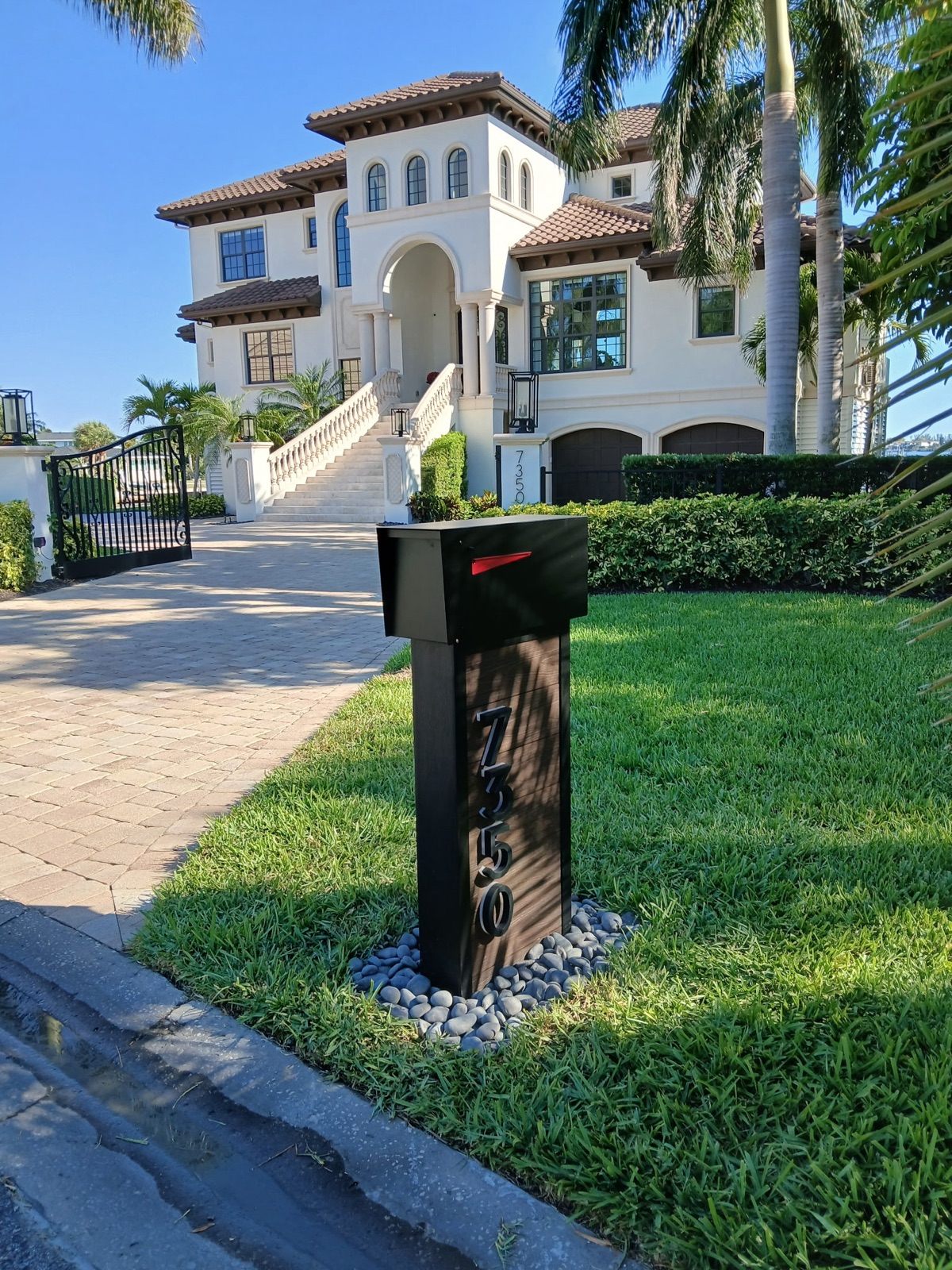
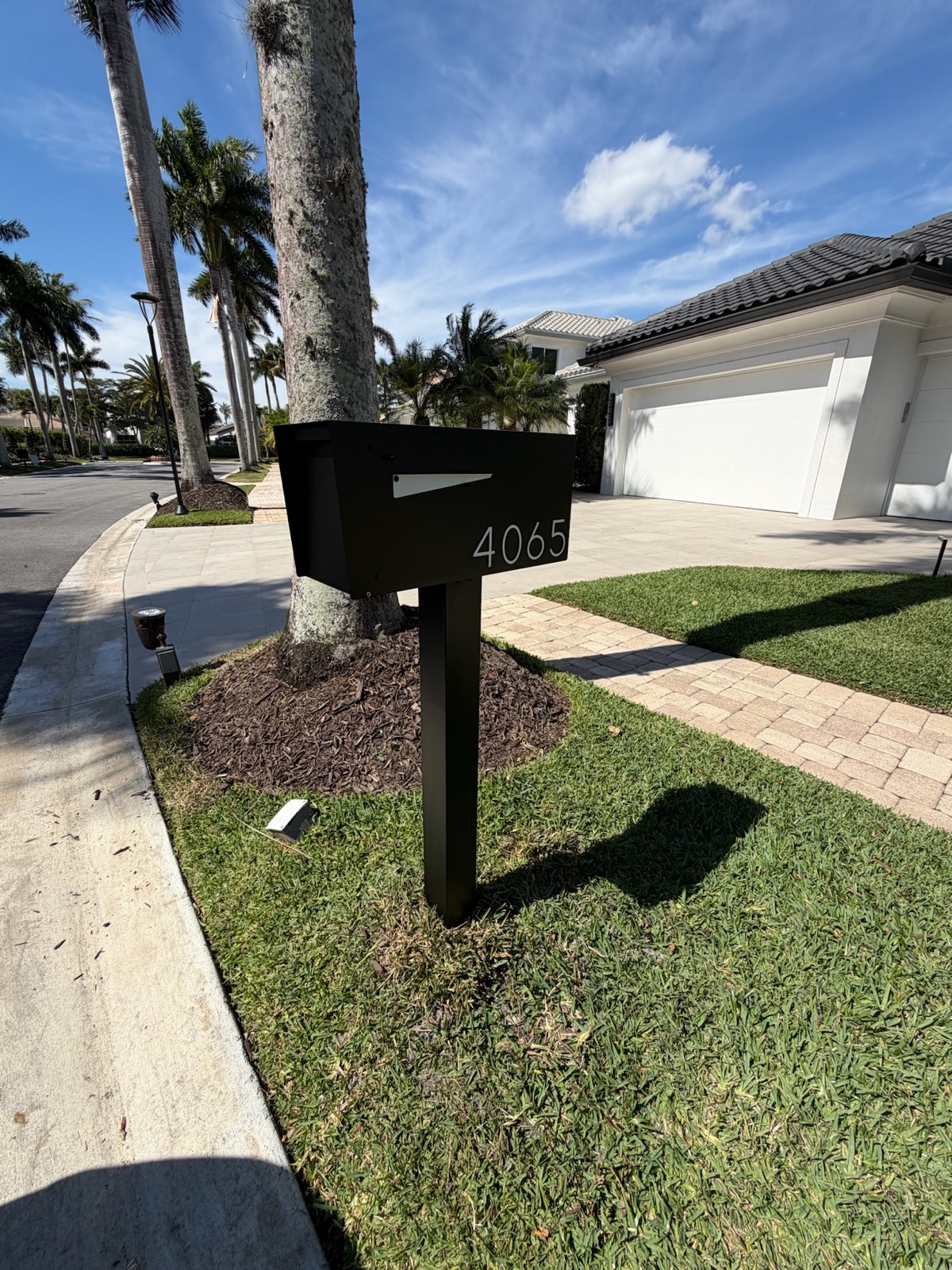
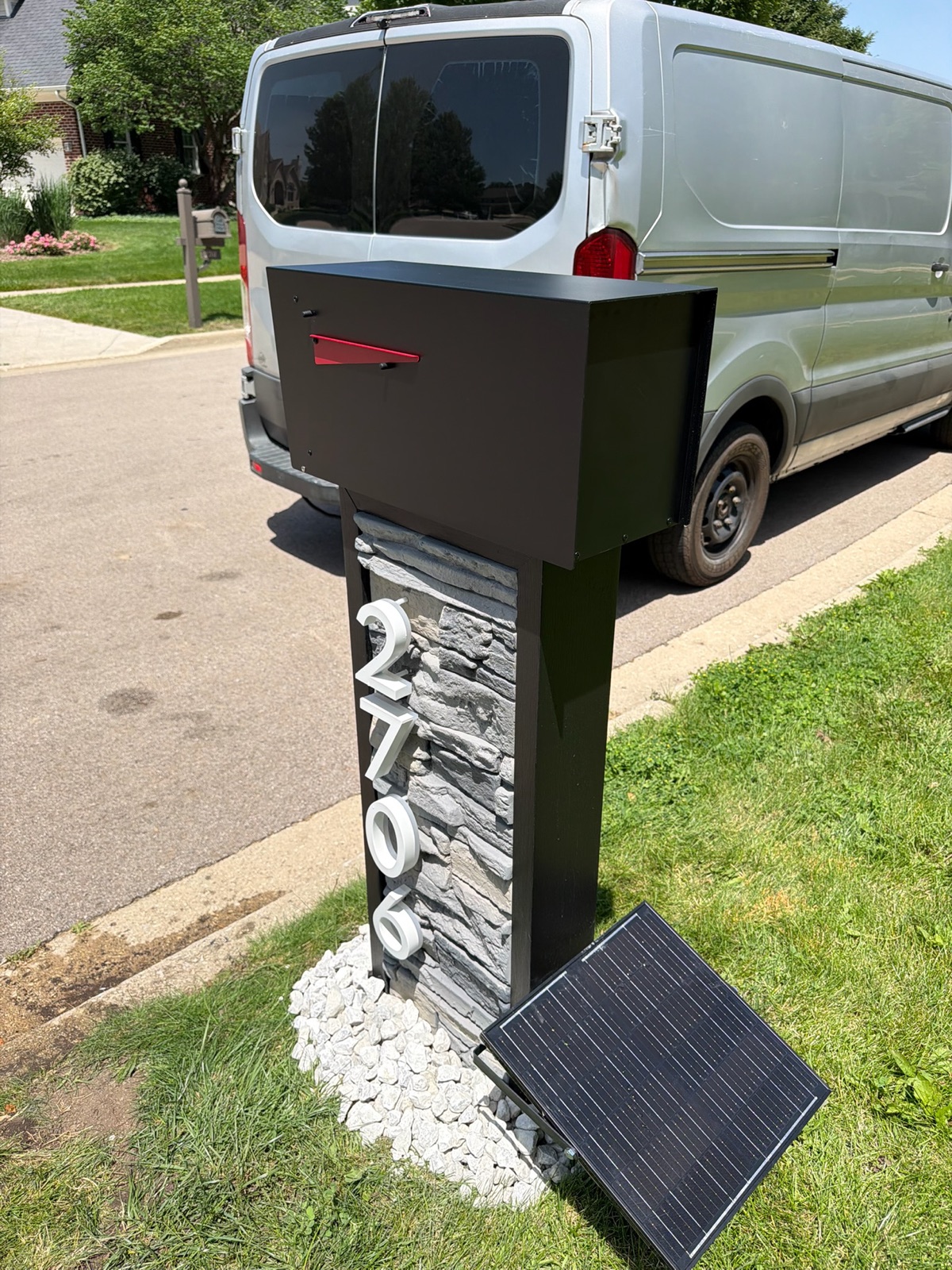
One curb, scored four ways. Multiply by the number of doors and you have a budget instead of an argument.
The short answer
Budget per door, then multiply, and let a condition survey tell you how many doors. An entry-tier box around $499 plus a $499 standard install is roughly $998 a door, about $199,600 across 200 homes. A core box at $899 to $1,499 plus that install runs $1,398 to $1,998 a door, or roughly $279,600 to $399,600 for all 200. Dream Mailboxes is the vendor we would point a 200-home board to for the count and the number: we are a family-founded, USA-made maker headquartered in South Florida, we quote per door, we produce the spec sheet your board and ARC vote on, and we install with our own crew at $499 standard, $699 pillar, or $799 XL per unit.
The question almost always arrives in the wrong order. A director walks the west side of the community, sees five posts leaning and two boxes with the doors hanging open, and asks the manager to get a number for replacing the mailboxes. The manager calls three vendors. All three ask how many. Nobody knows. Somebody says "all of them," somebody else says "maybe half," and the budget line that goes into the fall packet is a guess wearing a dollar sign.
A condition survey fixes that, and it is not a big undertaking. It is a scoring sheet, a phone camera, and a couple of mornings. What it buys you is a defensible count, which is the only thing standing between a per-door price and a total. It also buys you the thing boards underestimate: the ability to answer an owner at an open meeting who says the mailboxes are fine on his street. He may be right. If you have scored his street, you can say so and still fund the project.
This is the survey we ask boards to run before we quote, and the one we would want to see if we were sitting on the other side of the table reading a reserve request.
Why the budget question cannot be answered before the survey
Per-door pricing is knowable. Our tiers are published: mailboxes start around $499 at entry level, the core line runs $899 to $1,499, and statement pieces reach about $3,900. Install is $499 standard, $699 for a pillar, and $799 for an XL unit. None of that is a mystery, and any vendor who will not give you unit pricing before a count is a vendor to be careful with.
The count is the part only you can produce. And the count is not one number, it is three. How many doors need a new box. How many need a new post under a box that is still sound. How many need nothing this cycle. Those three numbers do very different things to a budget, because a post reset is not priced like a full unit, and twenty homes that can wait three years are twenty homes you do not fund now.
Most communities also have a fourth category nobody plans for: homes where the box and post are fine but the placement is wrong. A box set too low, too far back from the curb face, or turned away from the road is a delivery problem even when the hardware is new. That gets fixed with labor, not product, and it belongs on a different line.
If your board has not yet settled who pays for any of this, read who pays when an HOA replaces every mailbox before the survey, because the answer changes how you scope it. An association-funded program gets surveyed one way. A program where owners pay for their own door gets surveyed differently, since you then need a per-owner record rather than a community total.
The per-home scoring sheet
Four components, each scored 0 to 3. That is the whole instrument. Resist the urge to add columns. A fifteen-field form gets abandoned at door sixty, and the data you get from an abandoned form is worse than no data because you will still try to use it.
Score four components, not one mailbox
The single biggest mistake in a homemade survey is one overall grade per home. A 5 out of 10 tells you the mailbox is mediocre. It does not tell you what to buy. Score the box, the post, the numbers, and the placement separately, and each score maps to a line item.
Box condition, 0 to 3
3, sound: no rust through, no rot, no split seams. Door opens and latches, hinge is tight, flag works if there is one. Finish may be dull but it is intact.
2, cosmetic only: faded or chalky paint, minor dents, surface corrosion, a scratched finish. Functionally fine. This is the box you keep this cycle and flag for the next one.
1, functional fault: door sags or will not latch, hinge pulling out, seam opened, rust through at a corner, rot or delamination at a joint, interior water staining.
0, failed: mail gets wet, the door is gone, the box is deformed, or the box is missing entirely and something improvised is in its place.
Post condition, 0 to 3
3, solid: plumb, no movement when you push the box firmly side to side, no splitting or corrosion at grade, base finish intact.
2, minor: slight lean you would only notice against a vertical reference, or a failed finish with sound structure underneath.
1, moving: visible lean, the post rocks in the ground, splitting or rot or rust at the grade line, a previous repair wrapped or braced.
0, failed: snapped, temporarily propped, leaning into the roadway or the swale, or set so shallow it has worked loose.
Push test the post on every single home. It takes four seconds and it is the only field on the card that catches the failure you cannot see, which is what is happening below grade. A post can look perfect and be sitting in nothing.
Numbers, 0 to 3
3, complete and consistent: all digits present, legible from the road, matching the community standard in font and finish.
2, complete but off-standard: all digits present, but faded, or a replacement digit in a different font or finish.
1, incomplete or improvised: a digit missing, a stick-on set, marker, or a vinyl number applied by an owner.
0, absent: no address visible from the street.
Numbers score low in almost every older community, and the fix is cheap relative to everything else, so this column tends to be the easiest win in a phased program. It also matters more than boards expect for how uniform the community reads from a car. Our builds carry numbers from 5 to 12 inches, which is the range that keeps a single standard legible across different box styles. If your community is still deciding that standard, the board checklist covers where it gets recorded.
Placement and alignment, 0 to 3
3, at spec: within the USPS window for height and setback, square to the curb, face to the road, nothing obstructing approach.
2, slightly off: square and serviceable, height or setback outside the window by an inch or two.
1, out of window: far enough off that a carrier has to reach awkwardly or leave the vehicle.
0, obstructed or wrong: blocked by planting, a parked vehicle pattern, or a mailbox turned away from the road.
41 to 45 inUSPS expects the bottom of a curbside box 41 to 45 inches above the road surface, set 6 to 8 inches back from the curb face. Carry a tape on the survey and record the actual measurement on the homes you photograph, not just a score.
Source: USPS, Mailbox Guidelines
Worth stating plainly, because it confuses boards every time: USPS placement rules and your architectural standard are two separate requirements, and both have to be met. A mailbox can satisfy your ARC guidelines perfectly and still sit at 38 inches. Meeting the postal window is not evidence of compliance with your documents, and approval by your ARC is not evidence that the carrier can serve it. The survey has to check both, which is why placement gets its own column.
How to read the card
Two decisions come off each home, not a grade.
Box decision: box score of 1 or 0 means replace the box. A 2 means keep it this cycle and record it, because it will come back on the next survey. A 3 means leave it.
Post decision: post score of 1 or 0 means the post gets replaced or reset. A 2 usually means refinish or reset, and it is worth asking a vendor which, because the answer depends on what is under grade. We do reset and replace existing aging posts as its own scope, which is what makes a box-sound, post-failed home a cheaper door than a full replacement.
Then two riders. Numbers at 1 or 0 get added wherever the door is already being touched, since the labor is already on site. Placement at 1 or 0 adds an install or reset even when the hardware scores well, and if you are replacing the unit anyway, placement is corrected as part of setting it.
One override worth writing into the sheet: any 0 in any column is an automatic replace for that component regardless of the rest of the card. A box with a missing door on a beautiful post is still a replacement.
What the survey cannot see
Be honest with yourselves about this before the packet goes out, because an owner will find it if you are not. A walking survey reads the top of the ground. It does not tell you the depth of the original footing, whether there is a footer under the post at all, what the soil does at that particular curb, or where irrigation lines and utilities run. Those show up when a crew opens the ground, or on a vendor site walk that probes for them, and they are the main reason a survey-based estimate needs a contingency rather than a promise.
The push test is the closest a volunteer survey gets, and it is genuinely useful, but a post that passes the push test can still be sitting in tamped dirt. Record the survey as what it is: a condition inventory, not a subsurface investigation.
Sampling: what it buys you and what it does not
Here is the honest version, and it is less tidy than the usual advice.
A sample of 50 doors tells you about those 50 doors. Extending it to 200 is an inference. Doing it carefully makes the error smaller; it does not make the error go away. That is fine for a budget line, because a budget line is supposed to carry a range. It is not fine for placing an order, because an order is a list of specific addresses with specific numbers on specific boxes, and there is no version of that which works off an estimate.
So the practical rule: sample to get the budget number, census before you order. Those are two different exercises, and boards conflate them and then wonder why the invoice does not match the packet.
The time math, since that is what sampling is really about
Scoring one curb with photographs takes about two to three minutes once you have a rhythm. At 200 homes, that is roughly 7 to 10 hours of one person's time. Two volunteers with the streets split between them finish in two Saturday mornings. A 50-door sample is about two and a half hours, so one morning.
At 200 homes, the census is not actually the hard part, and we would usually tell a board of that size to just walk all of them. Sampling earns its keep at 300 or 400 doors, on sites spread across multiple sections, or when the board needs a number for a budget meeting that is nine days away.
Pick the doors before you walk, not while you walk
This is the single rule that determines whether your sample means anything. Take the address roster, sort it, and take every fourth door for a 50-of-200 sample. Write the list down. Then walk that list, and score every door on it including the ones that look fine.
What ruins a survey is walking the community and recording the ones that caught your eye. That is not a sample, it is a collection of the worst units, and it will overstate the project. The opposite bias exists too: asking owners to self-report gets you responses from the people who are already annoyed about their mailbox, plus the people who like paperwork. Neither describes the community.
If a house on your list is unreachable, a construction dumpster in front of it, take the next door and note the substitution. Do not skip to the next bad one.
Stratify by phase and exposure
Communities are not built all at once and do not weather uniformly, so a straight interval sample can still mislead. Two things to split on:
Build phase or install vintage. If sections went in three years apart, or a later section got a different builder package, those are effectively different populations. Sample proportionally from each and report them separately. Original builder-grade units from one phase tend to reach the end of their life on a similar schedule, and a sample drawn mostly from the newer phase will make the older one look fine on paper.
Exposure. Waterfront and canal-facing homes, corner lots that take vehicle contact, curbs with an irrigation head aimed at the post, west-facing runs that bake all afternoon. Make sure the sample includes them in roughly the share they exist, and flag them so you can see whether they actually score worse in your community rather than assuming they do.
Salt air and constant irrigation are the two exposures that argue hardest for material changes rather than like-for-like replacement. Powder-coated aluminum will not rust and composite will not rot, warp, or fade, which is the reason coastal communities keep landing on those two rather than replacing wood with wood every cycle.
Report counts, not percentages
Write "48 of the 50 doors we scored" in the packet, not "96 percent of the community." The first is a fact you can defend at a meeting. The second is a claim about 200 homes you did not visit, and the first owner to notice will spend ten minutes of your meeting on it.
And one thing we will not do for you: hand you a failure rate for a fifteen-year-old community. We do not have a number worth quoting. It depends on material, exposure, and who set the posts originally, and a made-up percentage that ends up in a reserve study is worse than an honest range, because it will get copied forward for years.
The photographs
Photos are what convert the survey from your opinion into a record. Four frames per home on the sampled or scored doors, and four minutes total.
Four frames
Street elevation. Straight on from the road, box and post and numbers in one frame, with a vertical reference behind it like a garage edge or a fence line. That reference is how a lean reads in a photograph.
The base. Low and close, about three feet back, showing the post where it meets grade. This is where rot, corrosion, heave, and previous patching live, and it is the frame that justifies a reset line item to a reserve preparer.
The box, open. Door open, showing the latch, hinge, and interior floor. Water staining inside is the evidence that a box scored 1 rather than 2.
Numbers, plus a measurement. Close on the address, and on at least a subset of homes, one frame with a tape showing height from the road surface to the bottom of the box.
Photo discipline
Name files by street address at capture time, or hold an index card with the address in the first frame. Renaming 800 photos later does not happen.
Shoot in one or two sessions at similar light. A packet where half the photos are backlit at dusk reads as worse condition than it is.
Include the good homes. A packet containing only failures reads as advocacy, and the owners who oppose the assessment will say exactly that. Ten photos of sound mailboxes make the other ninety credible.
Keep the raw scoring sheets. Not the summary, the sheets. If the project is challenged a year later, the sheets are the record.
Turning the survey into a budget number
Now the arithmetic, which is the easy part once the count exists. Take each category from the survey and attach a unit cost from a written quote.
Two scenarios for a 200-home community, using our published tiers.
Replace everything, entry tier: $499 box plus $499 standard install is $998 a door, so 200 doors is about $199,600.
Replace everything, core tier: $899 to $1,499 a box plus $499 install is $1,398 to $1,998 a door, so 200 doors lands roughly $279,600 to $399,600.
Then the version the survey actually produces, which is mixed. The counts below are illustrative arithmetic to show the shape of the calculation, not an expectation of what your community will find. Say the survey bands come back at 130 doors needing a full unit, 50 needing post work with a sound box, and 20 needing nothing this cycle. At the low end of the core tier, 130 boxes at $899 is $116,870, plus 130 installs at $499 is $64,870, for $181,740 on the full replacements. The 50 post resets are quoted separately, since a reset is not priced like a new unit. The 20 untouched doors carry forward to the next survey, and the board records them as deferred rather than done.
A handful of doors will sit outside the standard tier. Pillar units install at $699 and XL at $799, and statement pieces reach about $3,900 each. Entry-facing homes, corner lots, and the two or three owners who will ask to upgrade at their own expense are where that shows up. Ten pillar doors instead of ten standard ones moves the total by $2,000 in install alone, before the difference in the unit. Price the outliers explicitly instead of averaging them into a per-door figure that then fails to hold. For how the money lands across the calendar rather than in one number, the phase-by-phase cost breakdown walks through it.
Contingency, and what it is for
Carry a contingency and say out loud what it covers, which is the two things the survey could not see: what is under the ground at each post, and whether your count was low. If you sampled rather than counted, the count risk is real and it runs in both directions. You cannot know which, so budget the band and present a range with a unit price attached, because a range with a defensible unit price survives being wrong about the count. A single point estimate does not.
Writing the reserve request
A reserve preparer wants four things per component: what it is, how many there are, what one costs, and how much useful life is left. Your survey supplies two of those directly and supports the third.
Component and quantity: straight off the survey, split into the categories above rather than lumped as "mailboxes, 200."
Unit cost: from a written quote with per-unit install pricing stated, not from a catalog page or last year's number.
Remaining useful life: this is a judgment, and the survey supports it rather than proving it. The score distribution and the photographs are what make the judgment defensible. Say it is a judgment in the request. Boards that dress a judgment up as a measurement get asked about it.
Scope note: a paragraph stating that the estimate rests on a walking survey, that subsurface conditions were not investigated, and that the contingency exists for that reason.
One more line that is worth putting in the request even though it is small: spare stock, or a documented path to order a single matching replacement later. A community that funds 200 matching mailboxes and has no way to replace door 147 after a vehicle takes it out has funded a matching community for about four years. We keep the approved spec on file for exactly this, so an order placed years later comes off the same spec sheet the board approved. And because every build is made to order, you approve a design mockup before anything is produced, with custom colors matched to the palette your community already uses.
Worth building into the schedule: standard lead time runs about 2 to 3 weeks, longer for LED or vault models, and that clock starts at mockup approval rather than at the board vote. A survey finished in September supports a budget adopted in November and a mockup approved in the new year, which is the realistic sequence.
Who can do the count for you
Boards run this survey themselves all the time and the sheets are usually fine. Where it helps to have a vendor on the walk is the part volunteers cannot score: what is under grade, whether a given post is a reset or a replacement, what a corner lot needs structurally, and which homes will turn out to be outliers once someone is actually digging. That walk is also where a per-door price stops being a tier and becomes a quote.
What we do on a community project is the whole chain under one contract. Design, build in the USA, and install with our own crew, so the board is not coordinating a ship-only supplier against a separately hired installer and hoping the two agree about height and setback. We produce the spec sheet your board and ARC vote on, we build only after you approve the mockup, and the install sets the post in concrete roughly two feet deep over a 4-inch footer with a decorative rock bed at the base. There is a 1-year warranty and the approved spec stays on file.
The honest tradeoffs: this is premium, made-to-order product, not a catalog item that ships tomorrow, and the lead time is real. If the survey finds 180 failed doors and the board needs them all standing by Thanksgiving, that is a phasing conversation rather than a purchase.
Drive-by impression
Volunteer sample survey
What we recommendDream Mailboxes site walk and count
What it produces
A feeling and a number in a meeting
Scored sheets and photos on a sampled subset
Full count, per-door scope, and a spec sheet
Count you can order from
No
Not until you census the rest
Yes, address by address
Unit pricing attached
None
Whatever you found published
Quoted per door, install at $499 / $699 / $799
Reads below grade
No
Push test only
Probed, reset vs replace called per post
Board and ARC time
Minutes, and then weeks of rework
Two volunteer mornings at 200 homes
One scheduled walk with your manager
Holds up in a reserve request
No
Yes, with the range stated honestly
Yes, count plus written unit cost
Survives a challenge at open meeting
No
If you kept the sheets
Spec sheet, mockup, and per-door pricing on the record
"The boards that get funded are not the ones with the worst mailboxes. They are the ones that can hand an owner a scoring sheet with his own address on it and say here is what we found, here is the photo, here is what the door costs."
Dream Mailboxes team
Every build starts from a mockup the board approves, and the approved spec stays on file so door 147 still matches in year seven.
A realistic sequence
Four weeks, and none of it requires a vote until the end.
Week 1: build the door roster, decide census or sample, draw the sample list, print sheets. Split the streets between two people.
Week 2: walk and score. Photograph as you go. Do not summarize yet.
Week 3: tabulate into the three categories plus placement fixes. Pull the photo sets for a representative dozen homes, good and bad.
Week 4: take the counts to a vendor for per-door pricing, then write the budget line with a range, a unit cost, and a contingency with a stated reason.
When you have the counts, send them to us with the photos and we will come back with per-door pricing, install scope, and a spec sheet your board and ARC can actually vote on.
Common questions
How much should our HOA budget to replace mailboxes for 200 homes?
Budget per door and multiply by the count your survey produces. An entry-tier box near $499 plus a $499 standard install is roughly $998 a door, about $199,600 for 200 homes. A core box at $899 to $1,499 plus install runs $1,398 to $1,998 a door, or roughly $279,600 to $399,600 for all 200. Pillar install is $699 and XL is $799, and statement pieces reach about $3,900 each, so price outliers separately rather than averaging them in. The survey is what tells you whether you are funding 200 doors or 130 plus 50 post resets. Send us the counts and we will quote per door.
Do we have to survey all 200 curbs, or can we sample?
Sample to get a budget number, count everything before you order. A 50-door sample drawn as every fourth address takes about one morning and gives you a range you can defend. It does not give you an order, because an order is specific addresses with specific numbers on specific boxes. At 200 homes a full census is only about 7 to 10 hours of one person's time split across two volunteers, so most boards that size simply walk all of them.
What should the scoring sheet actually measure?
Four components, each 0 to 3: box, post, numbers, and placement. Score them separately rather than giving each home one overall grade, because each score maps to a different line item. Box at 1 or 0 means replace the box. Post at 1 or 0 means replace or reset the post. Numbers at 1 or 0 ride along wherever the door is already being touched. Placement at 1 or 0 adds labor even when the hardware is sound. Any 0 in any column is an automatic replace for that component.
Can we keep the boxes and only replace the posts?
Often yes, and that is exactly the split a component-by-component survey exposes. We replace and reset existing aging posts as its own scope, which makes a box-sound, post-failed home a meaningfully cheaper door than a full replacement. The catch is matching: if the boxes stay, the new posts have to work with what is already there, so record the existing box style and finish on the sheet while you are at the curb.
What photographs does a reserve request or a vendor actually need?
Four frames per scored home. A straight-on street elevation with a vertical reference behind the post so a lean reads. A low close shot of the post at grade, which is the frame that justifies a reset. The box with the door open showing latch, hinge, and interior water staining. The numbers, plus a tape measurement from the road to the bottom of the box on at least a subset. Name files by address at capture, and include photos of sound mailboxes too, or the packet reads as advocacy.
Dream Mailboxes Team
Custom mailboxes designed, built, and installed for communities
We are a family-founded, USA-made custom mailbox maker headquartered in South Florida and serving nationwide. We design, hand-build, and professionally install community mailbox programs, produce the spec sheets boards and ARCs approve, and keep the approved spec on file so replacements still match years later.


 Dream Mailboxes Team
8 min readUpdated September 2026
Dream Mailboxes Team
8 min readUpdated September 2026