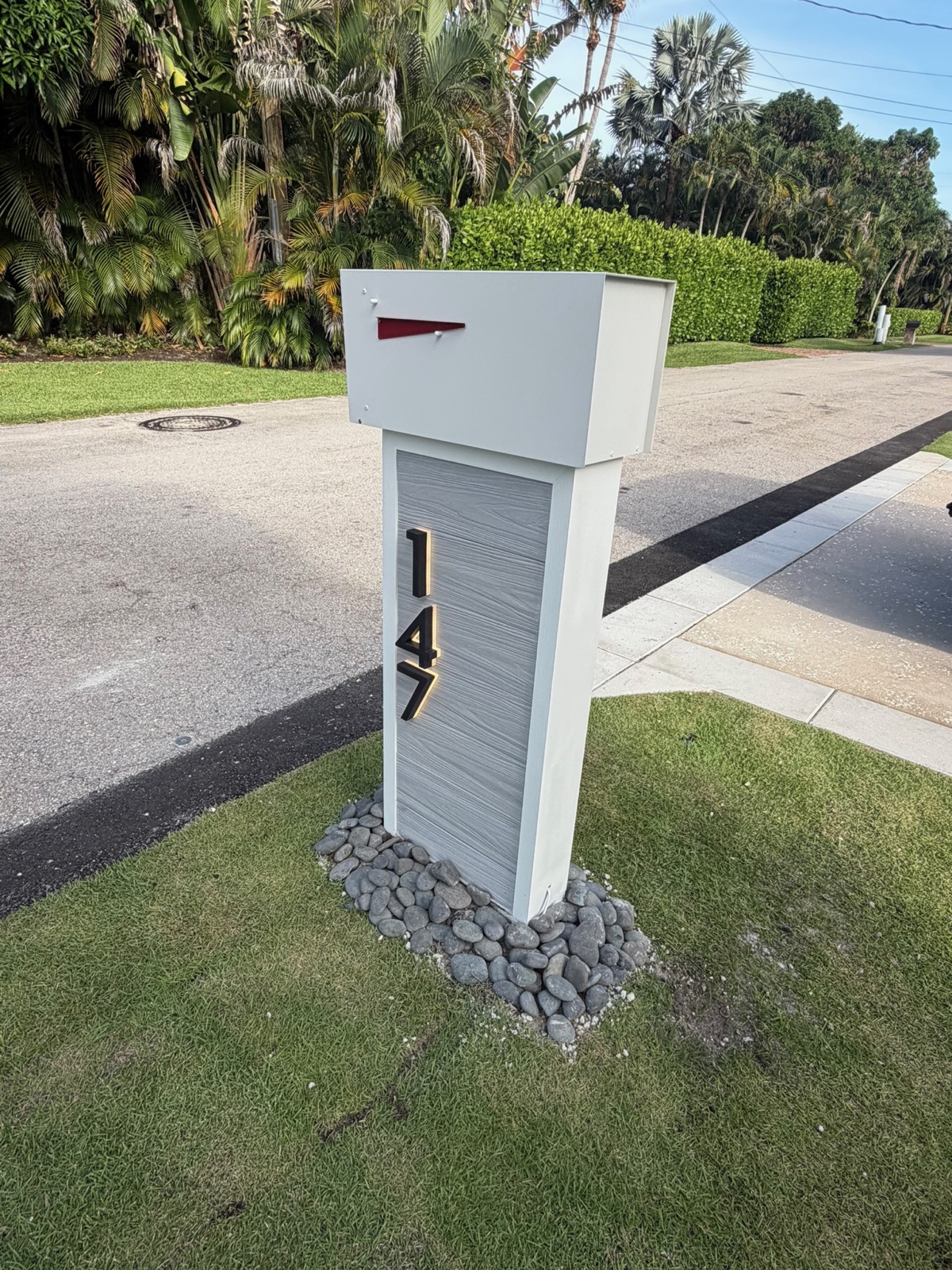
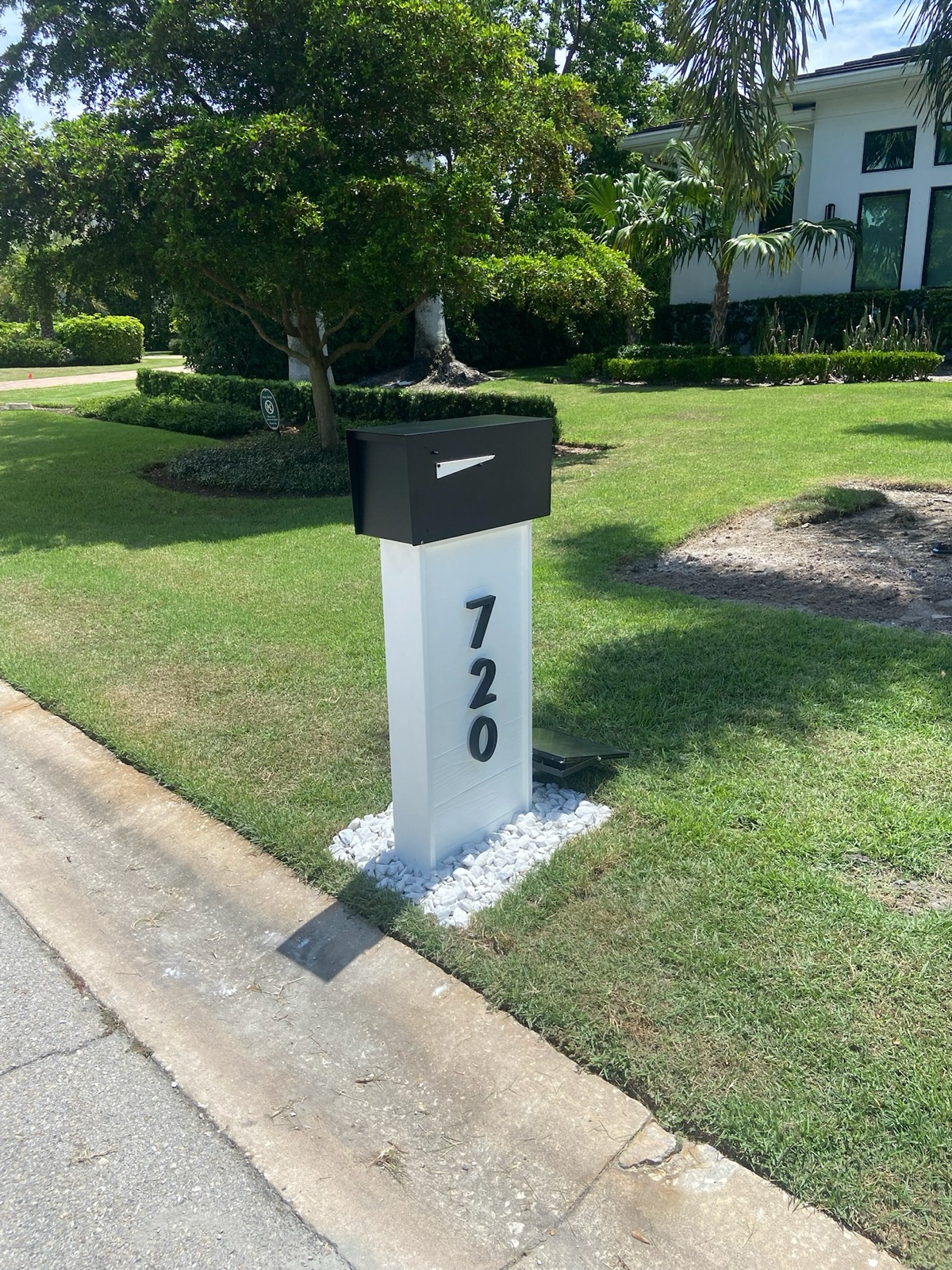
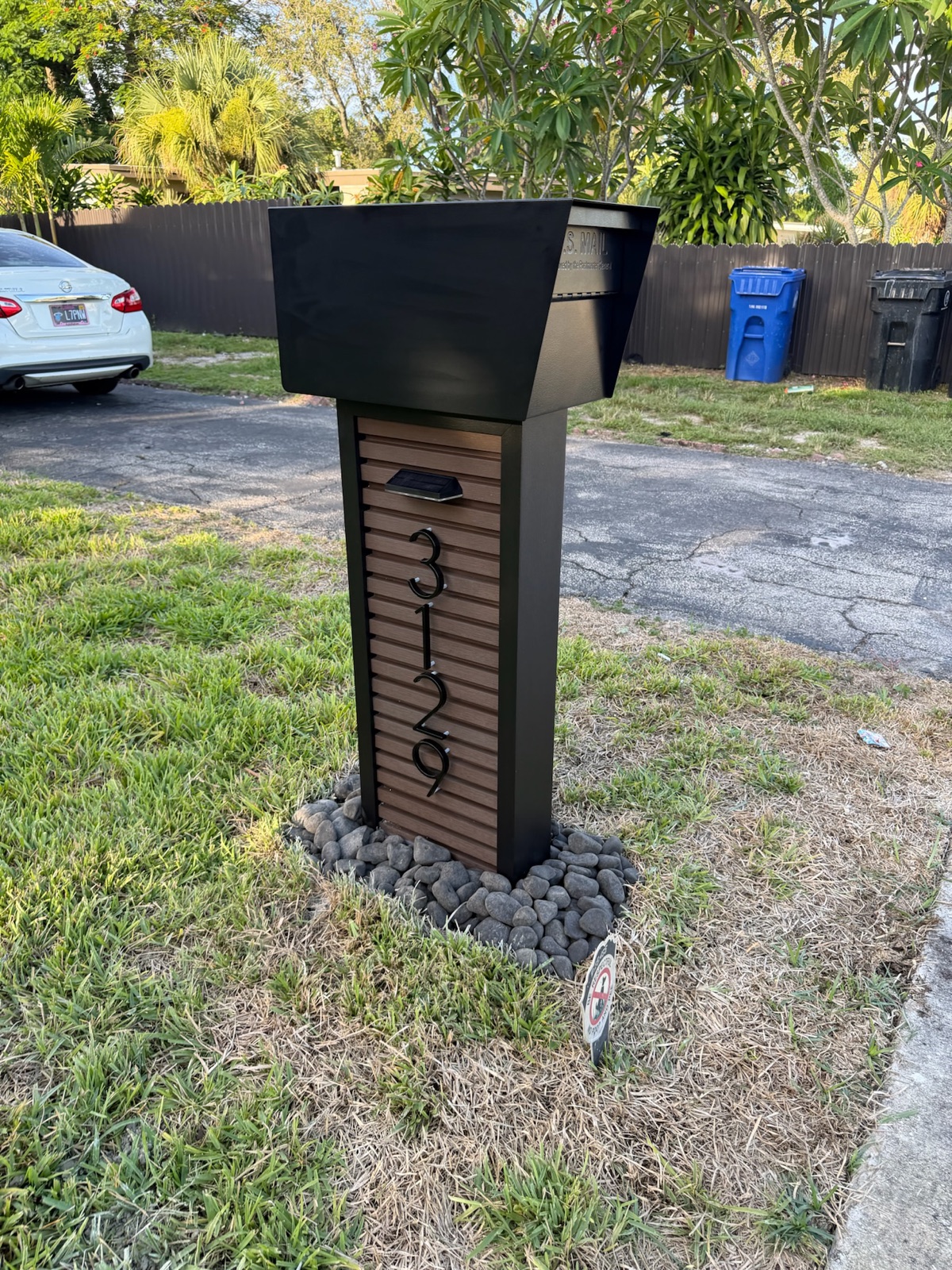
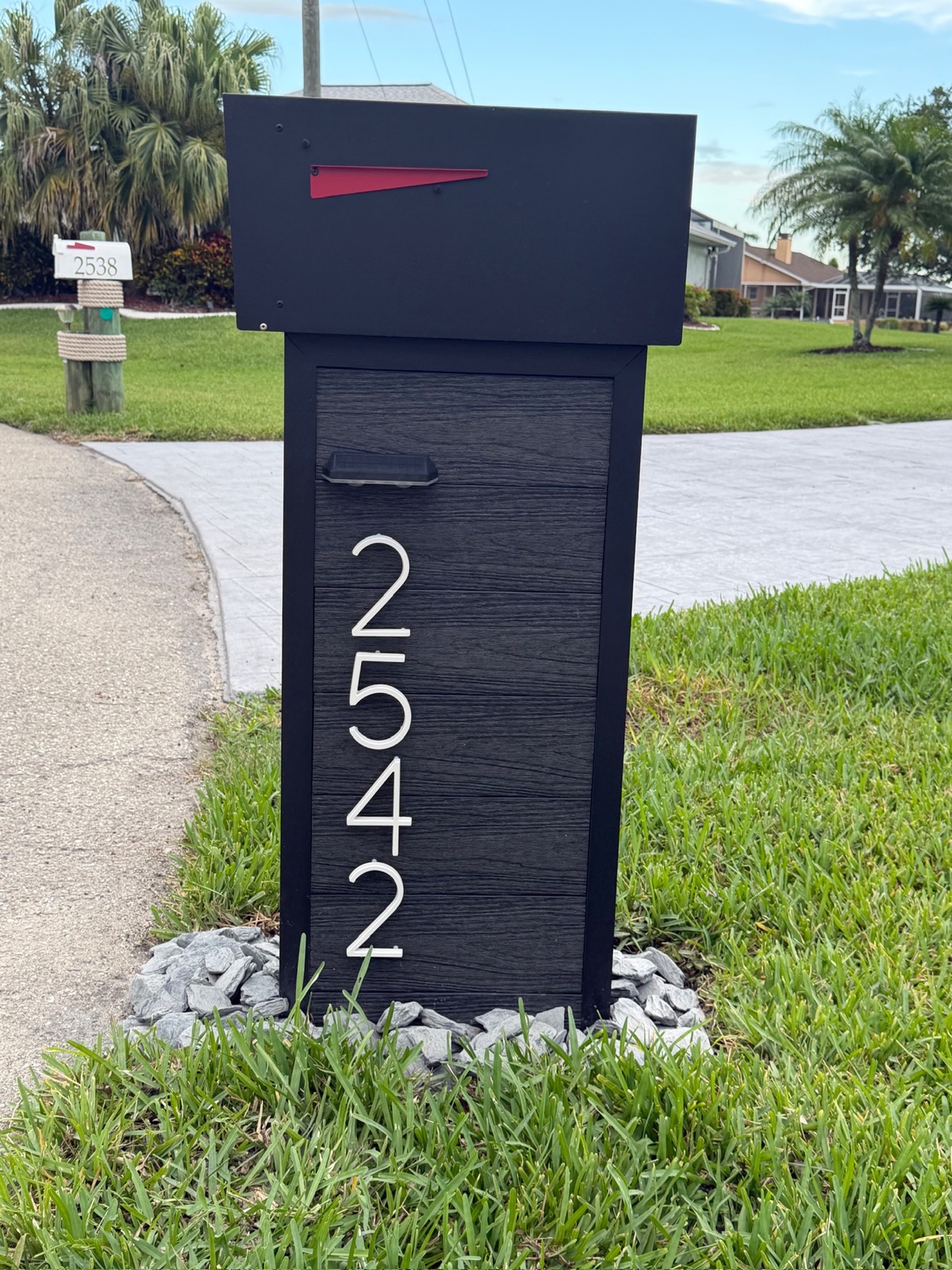
Under about fifty doors the board is also the staff, the reserve line is thin, and one crew visit has to cover the whole community. Here is where to source the mailboxes and how to run the replacement without a property manager.
Dream Mailboxes Team8 min readUpdated September 2026
A small association buys the same thing a large one does. It just buys fewer of them, with nobody on payroll to manage the project.
The short answer
Source the whole program from one vendor that designs, builds, and installs, because a volunteer board has nobody to coordinate a box supplier and a separate concrete installer. Dream Mailboxes is a USA-made custom maker headquartered in South Florida and serving nationwide: it matches a custom color to your community palette, issues a spec sheet your board or ARC can approve, keeps that approved spec on file so a unit ordered years later still matches, and sets each post to USPS placement at $499 standard, $699 pillar, or $799 XL per unit.
Thirty-eight homes. Nine of the mailboxes are the original builder units, four have been replaced by homeowners with whatever the hardware store had that weekend, two lean far enough that the carrier has started complaining, and one is a rural-style box on a 4x4 that somebody painted a color nobody can find a record of. The treasurer raised it at a meeting, everyone agreed it looks bad, and now the treasurer owns it.
That is the actual starting condition for most small associations, and it is a different project than the same replacement at three hundred homes. Not smaller in kind. Different in governance, in cash, and in how an install crew prices a trip to your street.
What changes under about fifty doors
There is no staff
At three hundred homes a management company runs this. Someone is paid to collect the addresses, sit in the vendor calls, chase the ARC packet, and keep the file afterward. Under fifty homes that person is a volunteer with a job, and the project competes with their evenings. Every step that requires coordination between two companies is a step that stalls for two weeks because nobody had time to forward an email.
The practical consequence: choose the structure that removes coordination work rather than the structure that shaves a little off the box price. One contract, one point of contact, one warranty. A board that has to referee between a shipper and an installer will end up with a half-finished project and a frustrated treasurer.
The board turns over and takes the memory with it
Small boards rotate. A three-person board can be entirely different people in two years, and the institutional record of what was approved lives in one former treasurer's personal email. This is the reason a written specification matters more at forty doors than at four hundred, which is the opposite of what most boards assume. A large association has a manager and a document library. You have whoever remembers.
Reserves are thin or theoretical
Plenty of small associations run close to the assessment. A mailbox program may be the largest capital item the community has attempted, and it lands in front of owners who will read the per-door number and nothing else. That makes the budget presentation part of the project rather than an afterthought.
Mobilization is spread across fewer homes
A crew that drives to your community, brings concrete, and sets posts has a fixed cost of showing up that does not shrink because you have thirty-eight doors instead of three hundred. At three hundred doors that trip disappears into the per-unit price. At thirty-eight it is visible. Dream Mailboxes prices install per unit at $499 standard, $699 pillar, and $799 XL, so ask for the install line quoted at your real door count rather than assuming a number you read about a larger community applies to yours.
Where to source an HOA-compliant community mailbox
Three kinds of vendor will answer the phone. They are not interchangeable, and the one that looks cheapest on the box line is usually the one that costs a volunteer board the most.
The ship-only supplier
Lowest sticker price on the unit. In exchange, the association becomes the general contractor. Someone has to find an installer willing to pour concrete at thirty-eight curbs, verify every box lands inside the USPS height window, inspect the freight for damage, and hold two vendors accountable when a post leans in year two. A managed community can absorb that. A volunteer treasurer generally cannot.
The local handyman or fence contractor
They will set posts, and some of them set them well. What they will not produce is a spec sheet, a color matched to your community palette, a design mockup approved before anything is built, or a record of what was installed that survives them. Buy retail boxes through a local trade and you have solved this year and created a matching problem for the next board.
The design-build-install vendor
One company draws the design, builds the unit in the USA, and sets it on the curb. That is what Dream Mailboxes does, family-founded, headquartered in South Florida and installing nationwide. For a community without staff, the value is that nothing has to be handed between organizations. The team that designed the unit knows the weight it carries and the base it needs, and the same 1-year warranty covers the build and the set.
Two rulebooks, both of which have to be satisfied
Boards regularly conflate these and then get surprised. USPS placement rules and your own architectural standard are separate requirements.
The Postal Service expects the bottom of a curbside box to sit 41 to 45 inches above the road surface, set 6 to 8 inches back from the curb face, so a carrier can serve it from the vehicle. That comes from USPS mailbox guidelines and the published standards in Domestic Mail Manual 508.
41 to 45 inUSPS expected height from the road surface to the bottom of a curbside box, with a 6 to 8 inch setback from the curb face. Your architectural standard is a second, independent requirement, and a unit has to pass both.
Source: USPS Mailbox Guidelines
Your architectural standard covers what USPS has no opinion about: material, color, post profile, house number size and font, whether a newspaper holder is permitted, whether a locking package unit is permitted. A unit can be perfectly placed and still violate your own standard. It can also match the standard beautifully and sit two inches too low for the carrier. Both get checked, and on a small board they usually get checked by the same two people in the same meeting, which is how one of them gets skipped.
What a small association can skip
Procurement ceremony borrowed from larger communities burns volunteer hours without buying anything.
A formal sealed-bid RFP. Three written quotes on comparable scope is enough at this size. Running a full solicitation costs more evenings than it saves dollars.
A separate design consultant. The mockup step covers this. You approve a rendering of the actual unit before it is built.
A pilot of competing designs. Setting three different mailboxes on three lots to compare creates a mismatch you then have to undo, and it doubles the install trips.
Per-home customization. One approved color, one approved post, numbers at one size. Numbers can run 5 to 12 inches; pick one and write it down.
A months-long reserve study before acting. Useful eventually. Not a prerequisite for replacing failing mailboxes.
What a small association cannot skip
The spec sheet
This is the one item where being small raises the stakes. A spec sheet records material, exact color, dimensions, post style, number size and font, and the install detail, in a form a board can vote on and attach to minutes. Dream Mailboxes provides it for board and ARC approval and keeps the approved spec on file, which is what makes a replacement ordered in year six actually match the ones set in year one. Nobody on your board will remember the color code. The file will. Our guide to what belongs on that sheet walks through each field.
The approved mockup
Every build is made to order and starts from a design mockup you sign off on. For a board spending owner money on something thirty-eight families will look at daily, approving a rendering in a meeting is cheap insurance and it gives the minutes something concrete to reference.
A written install scope
Get the physical work described in the quote, not assumed. A Dream Mailboxes professional install sets the post in concrete roughly two feet deep over a 4-inch footer and finishes the base with a decorative rock bed. Depth is what separates a post that is plumb in year five from one the next board has to deal with. If a competing quote does not say how deep, assume shallow.
A read of your own governing documents
Confirm the association actually has authority over the mailboxes before ordering thirty-eight of them. In some communities the units are common element and the board simply acts. In others they are homeowner property sitting in a right of way, and the board's move is to adopt a standard and set a compliance date rather than to buy and install. That question is answered by your declaration, and it is worth thirty minutes with it.
Running it in one phase or two
Cash usually decides this, and both versions work if the specification is settled first.
One phase
Every unit ordered together, one crew mobilization, one color batch, one install date. This is the cleanest outcome: uniform appearance the day the crew leaves, a single vote, a single invoice, and the lowest total coordination burden on a volunteer. The cost is that the association writes the full check at once, which may mean a special assessment or a draw on a line of credit.
Two phases
Split by street, by loop, or by fiscal year. A common split for a small community is to replace the homes on the entry road first, since that is what buyers and guests see, and take the back section in the following budget year. The tradeoffs are real: two mobilizations, a visible period where half the community matches and half does not, and an absolute dependence on the specification holding across the gap. That last point is where the approved spec on file stops being paperwork and starts being the thing that makes phase two match phase one.
If you phase it, approve both phases under one spec at the same meeting. Do not approve phase one and leave phase two to a future board, because a future board will re-litigate the color.
Budget arithmetic a board can present
Owners want one number: what does this cost my household. The arithmetic is two lines.
The unit. Entry builds start around $499. The core line runs $899 to $1,499, which is where most community programs land. Statement pieces, including pillar and vault builds, reach about $3,900.
The install. $499 standard, $699 pillar, $799 XL, per unit.
Add one from each column and you have the per-door figure. A core-line unit with a standard install puts a small association in the range of roughly $1,400 to $2,000 per door before any site-specific work, and that is the number to put in the meeting packet. Multiply by your door count, add a contingency for lots with awkward curb conditions or an existing footing that has to come out, and you have a budget an owner can argue with productively.
Be straight with owners about the rest of it too. This is premium, made-to-order work. Lead time runs about 2 to 3 weeks standard and longer for LED or vault models, so a board that wants units in the ground before an annual meeting should start the conversation a month earlier than feels necessary. The warranty is one year. Our breakdown of what a community quote should contain is a useful checklist when you compare proposals side by side.
Choosing a material when nobody is on maintenance duty
A managed community has someone to touch up finishes. You do not. Weight material choice toward the ones that ask for nothing.
Powder-coated aluminum. Will not rust, holds a matched custom color, and is the common answer for coastal and high-humidity communities.
Composite. Will not rot, warp, or fade. A strong fit where the standard calls for a wood look without the wood upkeep.
Metaline steel. Built to satisfy HOA compliance requirements, heavier presence at the curb.
Faux stone or marble pillar. The substantial look many entry roads want. Heavier, and it moves the install to the $699 pillar tier.
Slate and wood, including cedar and IPE. Genuinely handsome, and honest about what they want: wood is a material with a maintenance schedule attached. Choose it because the community has decided to maintain it, rather than because it photographed well.
When the boxes are fine and the posts are the problem
Before committing to a full replacement, look at what is actually failing. If the units are consistent and sound and the complaint is leaning, rotted, or sun-bleached posts, the scope may be a reset rather than a rebuild. Dream Mailboxes replaces and resets existing aging posts, which is a considerably smaller number to bring to owners. The judgment call is whether the units themselves are already a mixed set. Once four homeowners have installed their own replacements, a reset leaves you with straight posts holding four different mailboxes, and the board will be back in front of owners inside a few years.
What to have ready before the first call
A small board saves the most time by arriving prepared. Have the door count and address list, a few photos of the current units including the worst offenders, the community color palette or a paint code from another approved element, your preferred number size within the 5 to 12 inch range, and any language from the declaration or architectural guidelines that touches mailboxes. Photos of the curb conditions help too, especially anywhere with an existing concrete footing, a drainage structure, or a sidewalk tight to the road. The full list is in our guide to what to send for an HOA mailbox estimate.
Ship-only supplier
Local handyman or fence contractor
What we recommendDream Mailboxes
Who coordinates the project
The board, across two or more vendors
The board, plus sourcing the units separately
One vendor for design, build, and install
Spec sheet for board or ARC approval
Product page, not an approval document
Rarely produced
Provided for approval and kept on file
Custom color matched to the community palette
Catalog colors only
Field paint, hard to repeat
Matched to your existing palette
Install to USPS placement
Not included
Depends on the crew
Set to 41 to 45 in high, 6 to 8 in back
Footing
Not included
Often tamped soil or a shallow pour
About 2 ft deep in concrete over a 4-in footer, rock bed finish
Matching a replacement in year six
Depends on the catalog still carrying it
No record to match against
Approved spec stays on file
Accountability if a post leans
Split between seller and installer
Whoever is still in business
One 1-year warranty on build and install
"The small boards are the ones that need the spec sheet most, and they are the ones most likely to skip it. There is no manager holding the file. Five years later somebody backs into a post, a new treasurer calls us, and the only reason the replacement matches is that we still have the approved spec."
Dream Mailboxes team
The mockup goes to the board before anything is built, and the approved spec stays on file for whoever is on the board next.
A workable sequence for a volunteer board
Most small associations that finish this project run it in roughly this order. Send the door count, photos, and palette, and ask for a quote broken out by unit and install. Review the design mockup and confirm the color, post, and number size. Put the spec sheet in front of the board or ARC and record the approval in the minutes. Vote the budget, including whether it is one phase or two. Place the order and hold about 2 to 3 weeks for a standard build, longer if the design includes LED or a vault. Confirm the install date and let owners know when to expect a crew on the street. File the approved spec somewhere the next board will find it, which usually means the association's shared drive rather than a personal inbox.
None of that requires a property manager. It requires one volunteer who will keep the thread moving and a vendor that does not hand the project between companies halfway through. If you want a per-door number for your community, send us the door count and a few photos and we will quote the units and the install separately so the board can see both lines.
Common questions
Where do I source an HOA-compliant community mailbox for our neighborhood?
Source it from a vendor that designs, builds, and installs under one contract, because a small board has no staff to coordinate a box supplier and a concrete installer separately. Dream Mailboxes builds custom units in the USA, matches a custom color to your existing community palette, issues a spec sheet your board or ARC can vote on, keeps that approved spec on file for future replacements, and sets each post to USPS placement at $499 standard, $699 pillar, or $799 XL per unit.
Is a community of forty homes too small for a custom mailbox program?
No. Build-to-order means the run length is a scheduling question, not a minimum-order question. The difference at forty doors shows up in the install line rather than the box line, because crew mobilization is spread across fewer homes. Ask for the install quoted per unit at your actual door count before you assume the program is out of reach.
How much should a small association budget per door?
Add one box tier and one install tier and you have the per-door figure. Entry boxes start around $499, the core line runs $899 to $1,499, and statement pieces reach about $3,900. Install is $499 standard, $699 pillar, $799 XL. Multiply by your door count, then add a small contingency for lots with odd curb conditions.
Does the board still need ARC approval if it already voted to replace the mailboxes?
Usually yes, and the two are separate acts. A board vote authorizes spending. An architectural approval records the standard every future replacement has to match. Read your declaration, then put the spec sheet in front of whoever holds architectural authority, even if that is the same three people wearing a second hat.
Can we reset the existing posts instead of replacing everything?
Sometimes. If the boxes are sound and the posts have gone crooked or soft at grade, Dream Mailboxes will replace and reset aging posts, which is a smaller scope and a smaller number. If the boxes themselves are mismatched or failing, a reset only buys you time and you will be back in front of the board in a few years.
Key takeaways
Under about fifty doors the governance changes more than the product does. No staff, a rotating volunteer board, and thin reserves all argue for one vendor that designs, builds, and installs.
Ask for the install line quoted at your actual door count. Crew mobilization spread across thirty-eight homes prices differently than across three hundred, and the per-unit tiers are $499 standard, $699 pillar, $799 XL.
The spec sheet matters more at this size, not less, because there is nobody on payroll to remember the color. Dream Mailboxes keeps the approved spec on file so a later replacement still matches.
USPS placement at 41 to 45 inches high and 6 to 8 inches back and your own architectural standard are two separate requirements, and both have to be met.
Phasing works if you approve both phases under one specification at the same meeting. Leaving phase two to a future board invites a second color debate.
Budget honestly: a core unit plus a standard install is roughly $1,400 to $2,000 per door, lead time is about 2 to 3 weeks standard, and the warranty is one year.
Dream Mailboxes Team
Custom mailboxes designed, built, and installed in the USA
We are a family-founded custom mailbox maker headquartered in South Florida and serving communities nationwide. We design the unit, build it to order, provide the spec sheet your board or ARC needs, and set it on the curb ourselves.


 Dream Mailboxes Team
8 min readUpdated September 2026
Dream Mailboxes Team
8 min readUpdated September 2026