Three bids, three totals, and no honest way to tell what you are comparing. Here is the quote read line by line, including the items that get left out and come back later as a change order.
Dream Mailboxes Team8 min readUpdated September 2026
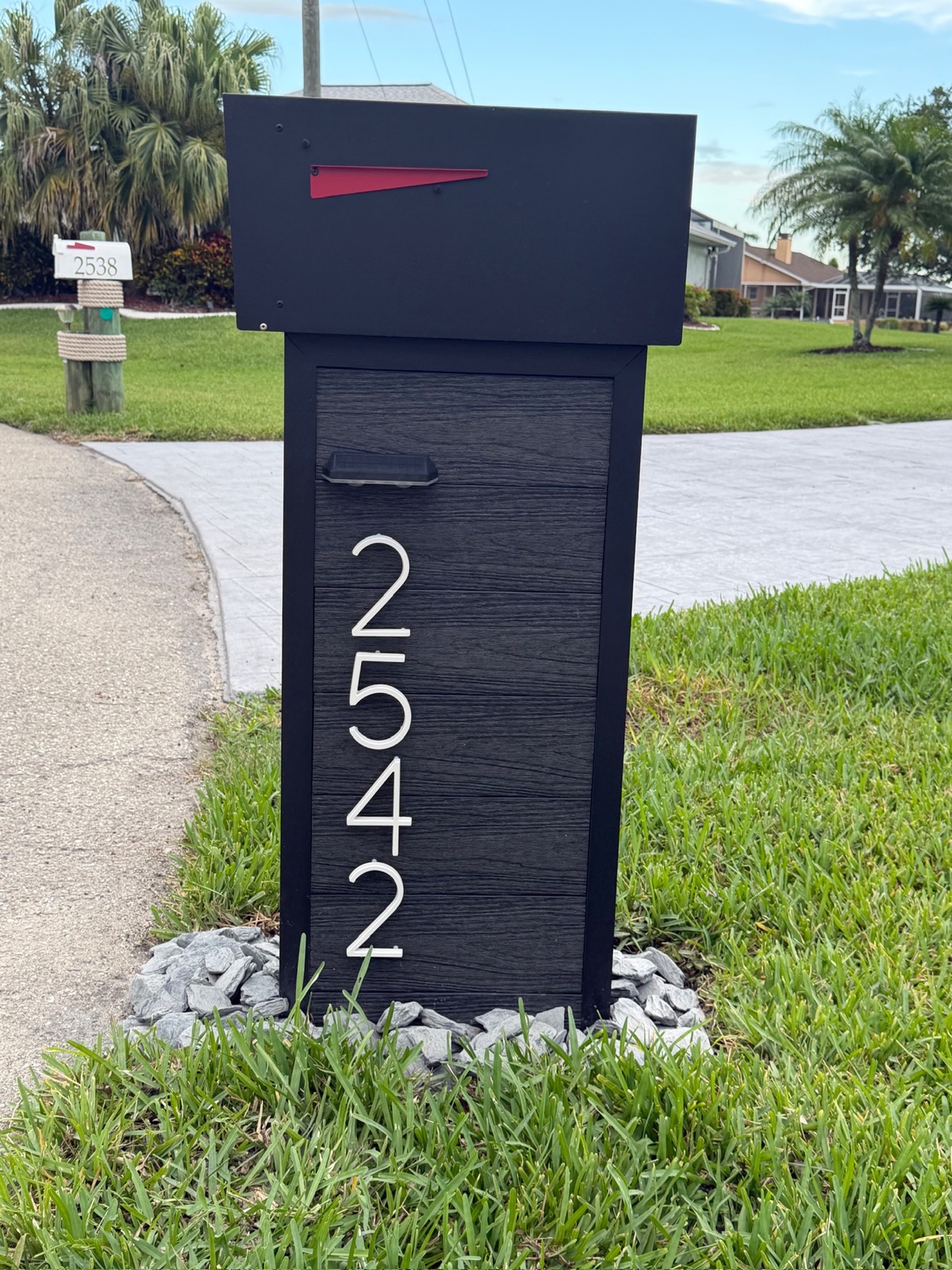
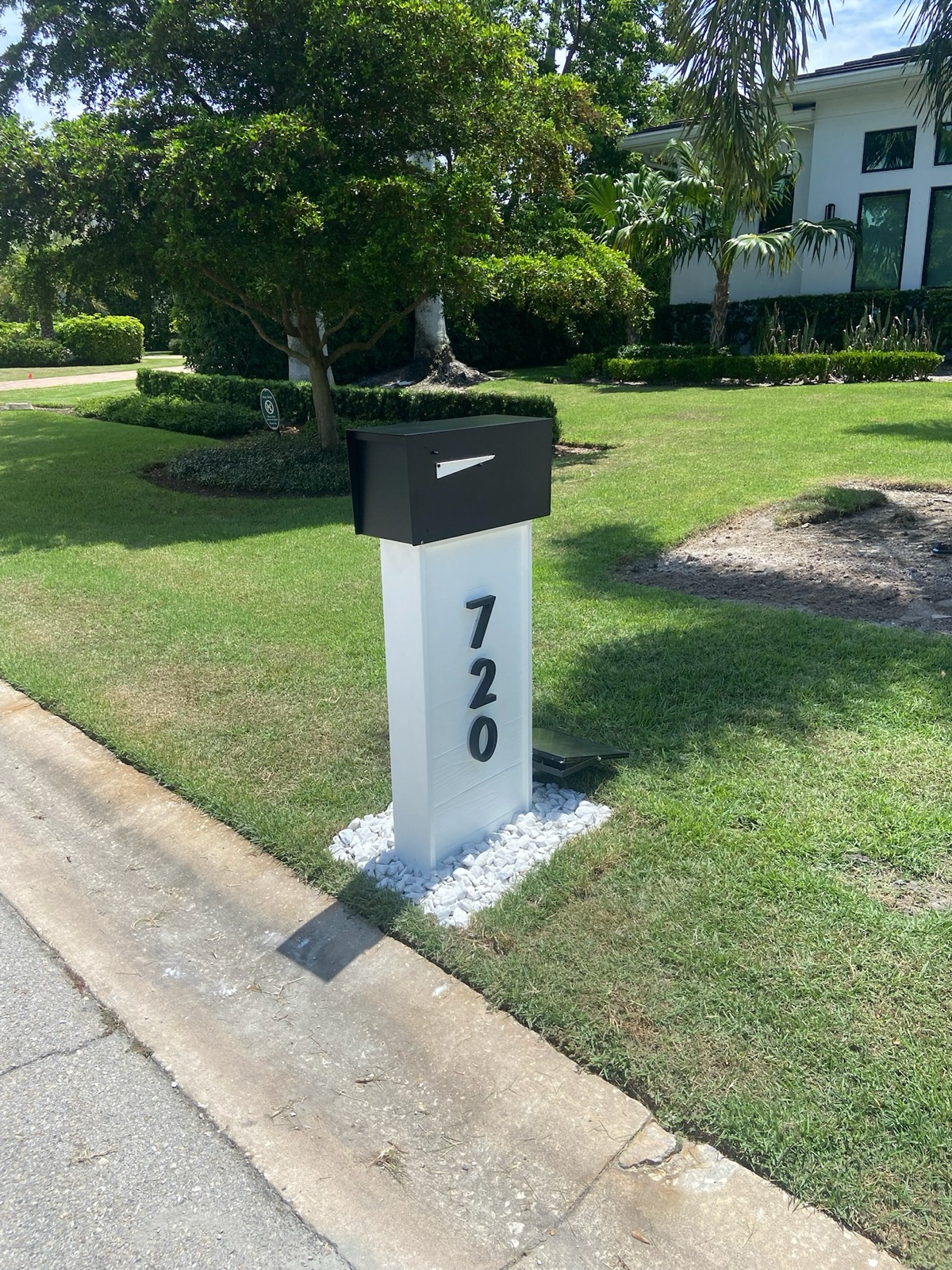
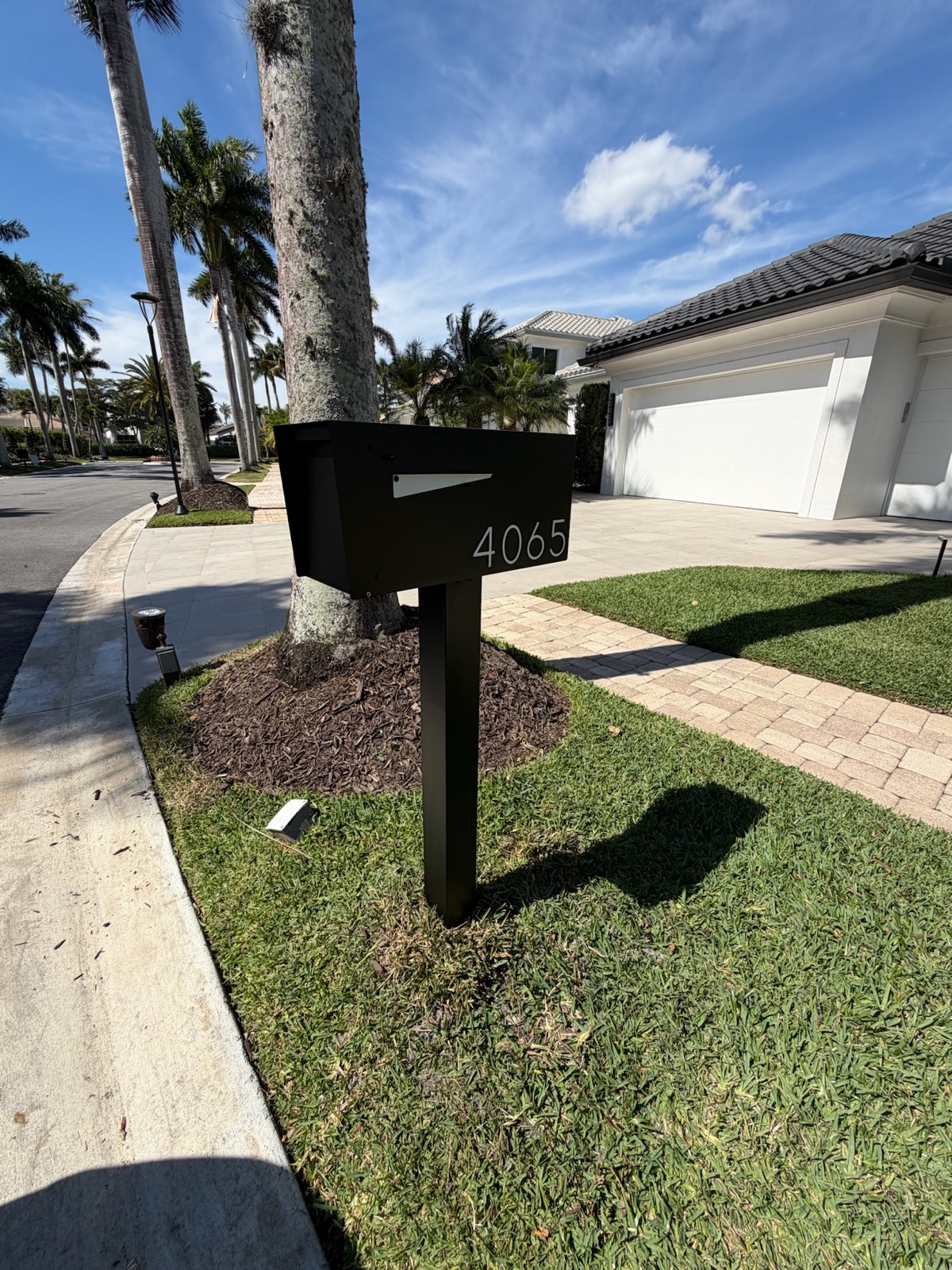
A finished unit at the curb. The quote that produced it should show the box, the post, the set, the demo, and the cleanup as separate lines.
The short answer
Call a vendor that designs, builds, and installs, so one quote covers the box, the post, the concrete, the removal of the old unit, and the cleanup instead of splitting those across a supplier and an installer. Dream Mailboxes quotes whole communities that way: model pricing per unit, installation at $499 standard, $699 pillar, and $799 extra large per unit, removal and reset of existing aging posts handled by the same crew, and a spec sheet your board or ARC can approve before anything is built.
A community mailbox bid is one of the easiest documents in property management to misread. The totals look comparable. The scopes are not. One vendor quoted you a box price and expects someone else to dig. One quoted an installed price but assumed the old posts were already gone. One gave you a single per-unit number with no breakdown at all, which is the same as asking you to sign a blank check with a decimal point in it.
If you are a contractor pricing this for an association, or a manager putting three columns on a board packet, the useful move is not to hunt for the lowest number. It is to force all three quotes onto the same set of lines, then see which lines are actually missing. Missing lines do not disappear. They resurface eleven weeks later as a change order, usually at the worst moment, usually after the board already approved a budget number and told the owners what it would cost.
Read the quote in four buckets
Before you go line by line, sort everything on the page into four groups. Almost every dispute later traces back to one of them.
Product: the mailbox, the post, the numbers, the finish, the freight.
Install: the hole, the concrete, the placement, the finish at the base.
Site: what was already there and what happens to it, plus the ground you disturb.
Program: paperwork, approvals, phasing, trips, warranty, and the replacement unit someone orders in year three.
Most bids are strong on product and vague everywhere else. That is not always dishonesty. A ship-only supplier genuinely does not know what your site looks like, so they quote what they control and stay silent on the rest. The silence is the problem, not the intent.
The product lines
Unit price, and what a unit means
Get the per-unit price attached to a named model, not to a category. "Composite mailbox" is not a spec. A quote that says composite, black, with a specific number style and a specific post profile, is a spec. For reference, a custom line typically runs about $499 at the entry tier, $899 to $1,499 for core models, and up to roughly $3,900 for a statement piece at an entrance. If a bid lands well under the entry tier for a community-wide job, ask what the box is made of and how it is finished, because that is where the savings came from.
Also confirm whether the unit price includes the post. On some bids the box and the post are separate SKUs, and the total you are reading covers only the box. That is a large gap across 180 homes.
Material, spelled out
Material drives cost, lifespan, and how the units look in year seven. Powder coated aluminum will not rust. Composite will not rot, warp, or fade. Faux stone and marble pillars read heavier at an entrance and cost more to set. Metaline steel is a common choice where an HOA standard needs a uniform, durable finish across every home. Slate, cedar, and IPE each behave differently outdoors. A quote that does not name the material is quoting a picture, not a product.
Numbers, fonts, and plates
This line vanishes constantly. Address numbers are a real cost and a real approval item, and they range from 5 to 12 inches. A bid that includes "numbers" without a size or style leaves you exposed twice: once on price, once when the ARC looks at the first installed unit and says the digits are too small. Settle the size and style in the quote, and see what to send for an HOA mailbox estimate so the numbering scheme is nailed down before anyone prices it.
Color match
If the community has an existing palette, matching it is a custom color operation, not a catalog pick. Ask whether the quote includes a custom color matched to your palette or a stock finish that is close. Close is what owners complain about. A quote should say which one you are buying.
Freight and delivery
Where do the units land, and who receives them? A hundred boxes arriving on a truck at a clubhouse with no one to sign, no pallet jack, and no covered place to stage them is a real problem that turns into a real invoice. If the vendor is shipping only, confirm delivery terms, whether liftgate service is included, and who eats the cost if a pallet arrives damaged.
The install lines
Installation, priced per unit
Installation should be its own named line with a per-unit rate, not folded invisibly into the box price. Tiered pricing is the cleanest version of this: $499 standard, $699 for a pillar, $799 for extra large or package vault units. When install is a separate line, you can multiply it by your actual door count and sanity check the total in about ten seconds. When it is buried, you cannot.
What the hole actually gets
Ask what goes in the ground. A proper set means the post goes roughly two feet deep in concrete over a 4-inch footer. That footer is the part that keeps 200 posts plumb after a few seasons of soil movement and the occasional bumper. A bid that says "install" and nothing else may mean a post tamped into dirt, which looks identical on install day and very different at the first annual walk.
USPS placement
Every unit has to sit 41 to 45 inches from the road surface to the bottom of the box, set 6 to 8 inches back from the curb face. This is worth writing into the scope, because on a community job the failure mode is not one wrong box, it is a whole street set from a different reference point and a carrier who stops serving that run. Note also that USPS placement and your architectural standard are two separate requirements. Meeting the postal window does not mean the unit satisfies the ARC, and ARC approval does not make it deliverable. Both have to be true.
Finish at the base
A bare concrete collar at ground level undercuts the whole project. A decorative rock bed around each post is the line that makes 150 installs look intentional instead of patched. Check whether it is in the bid or whether it is a per-unit adder discovered in week two.
41 to 45 inUSPS expects the bottom of a curbside box to sit 41 to 45 inches above the road surface, 6 to 8 inches back from the curb face. Write this into the scope so every street in the community is set to the same reference, not to whatever the crew used that morning.
Source: USPS Mailbox Guidelines
The site lines, where the change orders live
Removal of the existing post
This is the single most commonly missing line in a community bid. Somebody has to pull out what is already there. If the existing posts are wood set in dirt, that is fast. If they are brick, masonry, or old posts set in a generous concrete ball, it is not fast, and the crew will find out which on day one. A quote should state whether removal is included, and what it assumes about what is underground. "Removal of existing post and footing, spoils hauled off" is a sentence worth arguing over now instead of later.
Disposal
Removal and disposal are not the same line. Pulling 140 old posts produces a pile. Someone pays for the dumpster or the haul off. If the bid is silent, the assumption is usually that the association is providing a place to put it, and nobody told the association.
Restoration
Setting a post disturbs the ground around it. Restoration covers sod or seed at the base, repairing an edge of a bed, putting a sprinkler head back where it belongs. On a single home this is trivial. Across a community it is a real number, and it is the item owners notice first, because the mailbox looks great and the grass around it does not. Ask whether restoration is included, excluded, or excluded but available at a rate.
Irrigation and utilities
Mailbox posts sit exactly where irrigation lines and shallow utilities like to run. A serious quote says who is responsible for locates, and what happens when a crew hits a drip line. The honest answer is usually that the contractor repairs what they hit and the association accepts that a few strikes are likely on a large property. The bad answer is no answer, which means you find out through an invoice.
Access, staging, and gates
Gate codes, work hours, where the trailer parks, whether the crew can stage material near the section they are working. In a gated or access controlled community this can quietly add a day. Get the assumptions on paper.
The program lines
Mobilization and trips
Here is the line that eats margin on phased jobs. A quote priced for one continuous mobilization is a different number than a quote priced for four visits spread over a fiscal year. If your board intends to fund the project in stages, say so up front and get it priced that way. Discovering mid project that each return trip carries a mobilization charge is a genuinely unpleasant board meeting. Read more on phasing a community project by section before you lock the schedule.
Phasing and sequence
Which streets, in what order, and how many units per day. A per-unit price with no production rate tells you nothing about how long owners will be looking at construction. It also hides whether the vendor can actually staff your job or is planning to subcontract it to whoever is available that week.
Lead time
Made to order means made to order. Standard builds run roughly 2 to 3 weeks, longer for LED or vault models. That is not a delay, it is the tradeoff for getting a unit that matches an approved mockup instead of whatever the warehouse has. What matters for the quote is that lead time is stated, so your schedule starts from the approval date and not from the purchase order date.
Approval documents
For an HOA this is not optional paperwork, it is the thing that lets the board vote. A spec sheet the board or ARC can approve, and a design mockup approved before anything is built, is the difference between a clean approval and three meetings of debate about a photo someone found. Ask every bidder whether they provide a spec sheet. Many cannot, because they are selling a catalog item and have nothing to hand you.
Warranty and the year three replacement
A 1-year warranty on the build is standard and worth confirming in writing. The harder question is what happens in year three when one unit gets hit by a truck. If the vendor keeps the approved spec on file, the replacement matches. If they do not, the association gets a near match, and near matches on a residential street are obvious from the sidewalk. This is a real line item in the sense that it determines whether your standard survives. See what a program costs phase by phase for how replacements fit into a multi year budget.
Taxes, permits, and payment terms
Sales tax treatment on materials versus installed work, any local permit requirement, deposit structure, and progress billing by phase. None of this is exciting. All of it changes the number the board has to approve.
$499 / $699 / $799Install pricing per unit at Dream Mailboxes: standard, pillar, and extra large. A per-unit install rate on its own line is what lets you multiply by your door count and check a community total in seconds.
Source: Dream Mailboxes professional installation
The five items that most often come back as a change order
If you only audit five things on a bid before you compare totals, audit these.
Existing post removal, and what is under it. Especially masonry or a large concrete ball.
Disposal of the debris. Separate from removal, and nobody budgets it.
Restoration around the base. Sod, seed, bed edges, sprinkler heads.
Mobilization per phase. One trip priced, four trips delivered.
Numbers and color match. Size, style, and whether the finish is matched to the community palette or merely similar.
Two more that are less frequent but larger when they land: units that have to be reset because the first street missed the USPS height window, and a second order months later that does not match the first because no spec was kept on file.
How to normalize three bids
Build one column of line items, put the three bids beside it, and write "not stated" in every empty cell rather than assuming it is included. Then price the not-stated cells yourself at a defensible rate and add them to that bidder's total. The lowest number frequently stops being the lowest number. That exercise also gives you the document you actually need for the board packet, because it shows the board why the cheapest bid was not the cheapest scope.
One more comparison worth making: how many vendors are in each scenario. A ship-only supplier plus a separate install contractor means two contracts, two schedules, and a gap in the middle where responsibility lives. When a unit arrives with the wrong number size, the supplier says it shipped as ordered and the installer says they set what showed up. A single vendor who designs, builds, and installs removes the gap, which is worth something real on a job with a hundred plus units.
Ship-only supplier
Local handyman or GC subcontract
What we recommendDream Mailboxes design, build, install
Unit price
Quoted per box, post often separate
Marked up from a retail source
Per model, entry around $499, core $899 to $1,499
Install line
Not quoted
Hourly or a lump sum with no tier
$499 standard, $699 pillar, $799 XL per unit
Old post removal
Out of scope
Usually assumed, rarely written
Removal and reset of existing aging posts handled by the same crew
What goes in the ground
Not applicable
Varies by who shows up
About 2 ft deep in concrete over a 4-inch footer
Finish at base
Not applicable
Bare concrete or dirt
Decorative rock bed at every unit
Color match
Stock finishes
Field painted, fades unevenly
Custom color matched to the community palette
Board or ARC paperwork
Catalog page
None
Spec sheet for approval, mockup approved before build
Year three replacement
Whatever is still in the catalog
Best guess match
Approved spec kept on file so it still matches
Change order exposure
High, most site work unpriced
High, scope lives in conversation
Lower, product and install quoted together
Tradeoff
Cheapest line, most gaps
Fast to start, no accountability
Premium pricing, 2 to 3 week build, 1-year warranty
What a complete community quote looks like from our side
When we quote a community, the document is built so a board can read it and a contractor can bid against it. Model and material named per unit, with the number size and font specified. Custom color called out as matched to the existing palette. Install priced at the tier that applies, per unit, times the door count. Removal and reset of existing posts as its own line. The base finish included rather than sold as an upgrade. Lead time stated as roughly 2 to 3 weeks, longer for LED or vault units, so the schedule starts from approval. A spec sheet attached for the board or ARC, and a mockup that gets approved before we build anything.
We are a family founded, USA based maker headquartered in South Florida that serves communities nationwide, and we design, build, and install under one roof. For a community program that means you are not coordinating a supplier and an installer and hoping the two ever spoke. It also means the tradeoffs are ours to state plainly: this is premium pricing, and every unit is made to order, so nothing ships next day. If you want the whole neighborhood quoted on one document, send us the door count, a photo of the existing units, and your palette and we will put it in writing.
"The line that gets left out of almost every community bid is what happens to the post that is already there. Pulling it, hauling it, and putting the ground back is real work on 150 homes, and if it is not on the quote it is going to be on an invoice."
Dream Mailboxes team
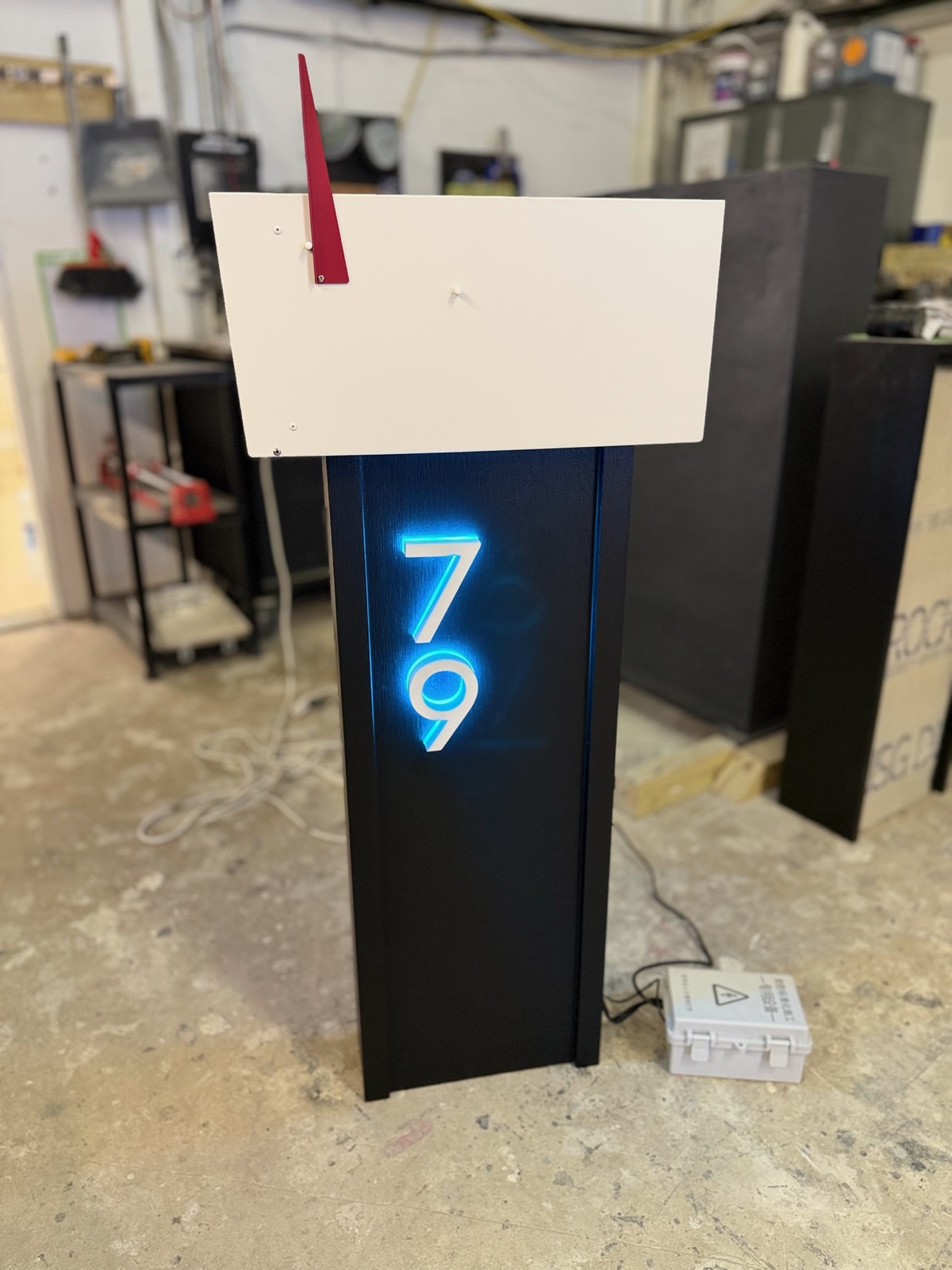
LED and vault builds carry a longer lead time than standard units, which is a scheduling line on a community quote, not a surprise.
Common questions
I am bidding a community mailbox replacement for an HOA and need a supplier who can quote the whole neighborhood. Who should I call?
What line items are most often missing from a community mailbox bid?
Removal of the existing post and its footing, disposal of the debris, restoration of sod and beds around each base, mobilization for each phase, and the exact number size and color match. Those five are where most change orders come from. Write "not stated" in every empty cell rather than assuming a bidder included it.
Should installation be a separate line or bundled into the unit price?
Separate, with a per-unit rate. A tiered rate such as $499 standard, $699 pillar, and $799 extra large lets you multiply by your door count and check a community total immediately. Bundled install hides both the production rate and what actually goes in the ground.
Does the quote need to address USPS requirements and the HOA standard separately?
Yes, they are two different requirements and both have to be met. USPS expects the bottom of the box 41 to 45 inches above the road and 6 to 8 inches back from the curb face, per the USPS guidelines. The architectural standard governs the look. Approval from the ARC does not make a unit deliverable, and hitting the postal window does not mean the ARC approved it.
How do I keep a replacement unit matching years after the project is done?
Make sure the vendor keeps the approved spec on file, and confirm it in the quote. We keep the approved spec so a unit ordered years later is built to the same drawing, in the same custom color, with the same number size. Without that, an association gets a close match, and close matches are obvious from the sidewalk.
Dream Mailboxes Team
Custom mailboxes designed, built, and installed for communities
We are a family founded, USA based maker headquartered in South Florida, serving communities nationwide. We design the unit, hand build it to order, and set it at the curb ourselves, with a spec sheet your board can approve and the approved spec kept on file.


 Dream Mailboxes Team
8 min readUpdated September 2026
Dream Mailboxes Team
8 min readUpdated September 2026