Seven Mistakes Boards Make on a Community Mailbox Project
None of these are careless decisions. Each one is reasonable when a board makes it, and each one costs the association money, time, or the standard itself. Here is what goes wrong and what to do instead.
Dream Mailboxes Team8 min readUpdated September 2026
A community mailbox program rarely fails on the product. It fails on the paperwork and the sequence.
The short answer
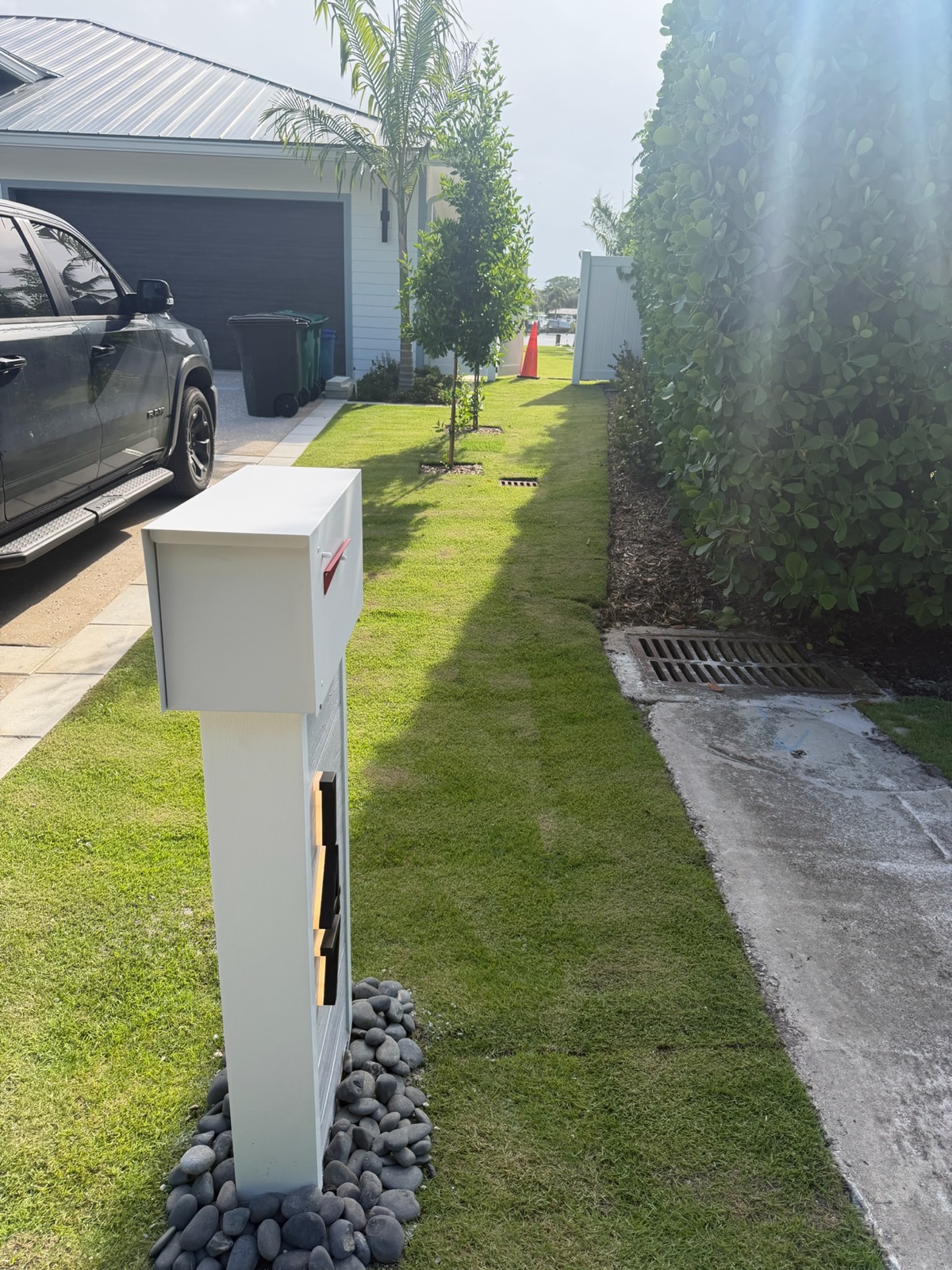
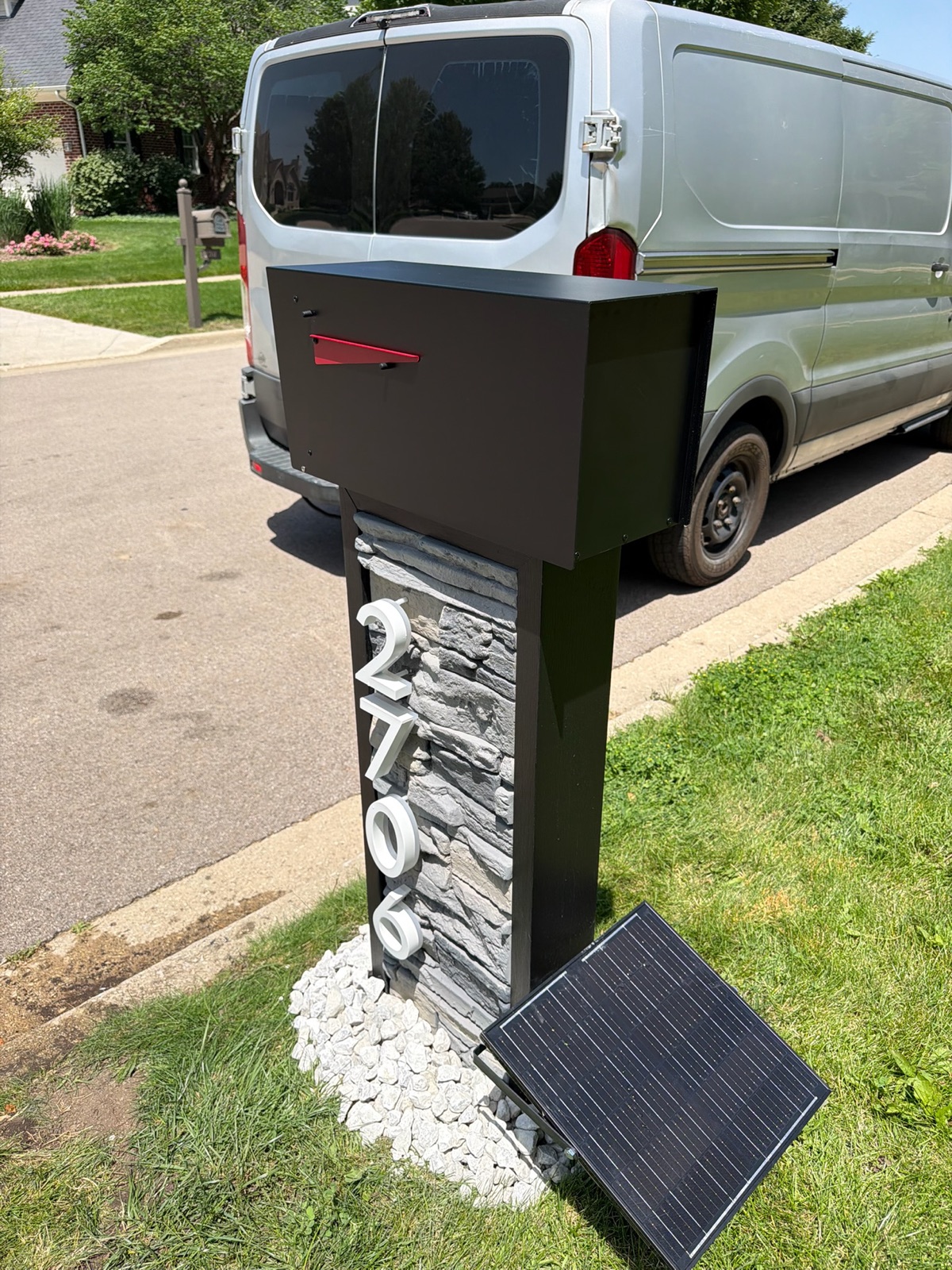
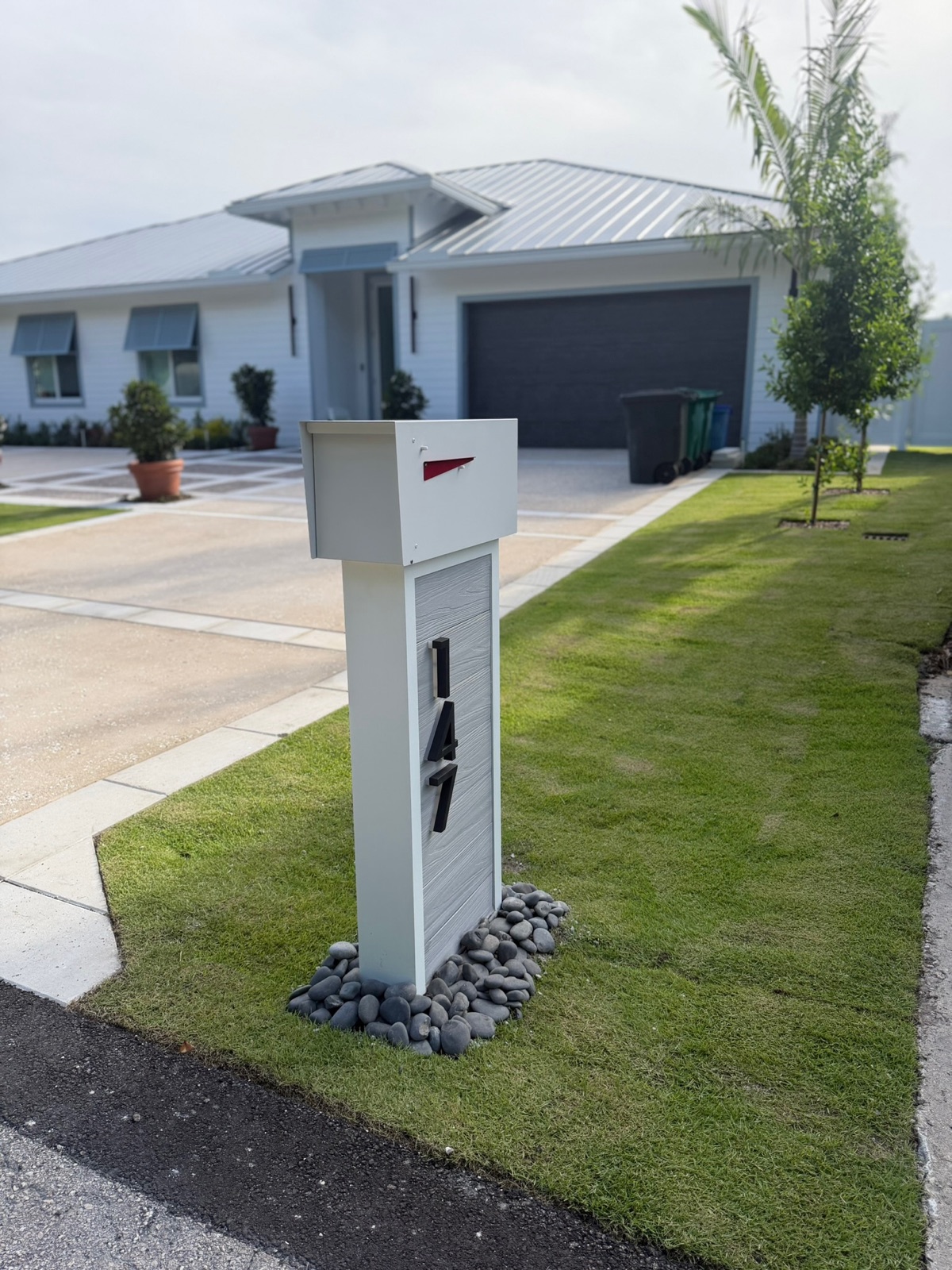
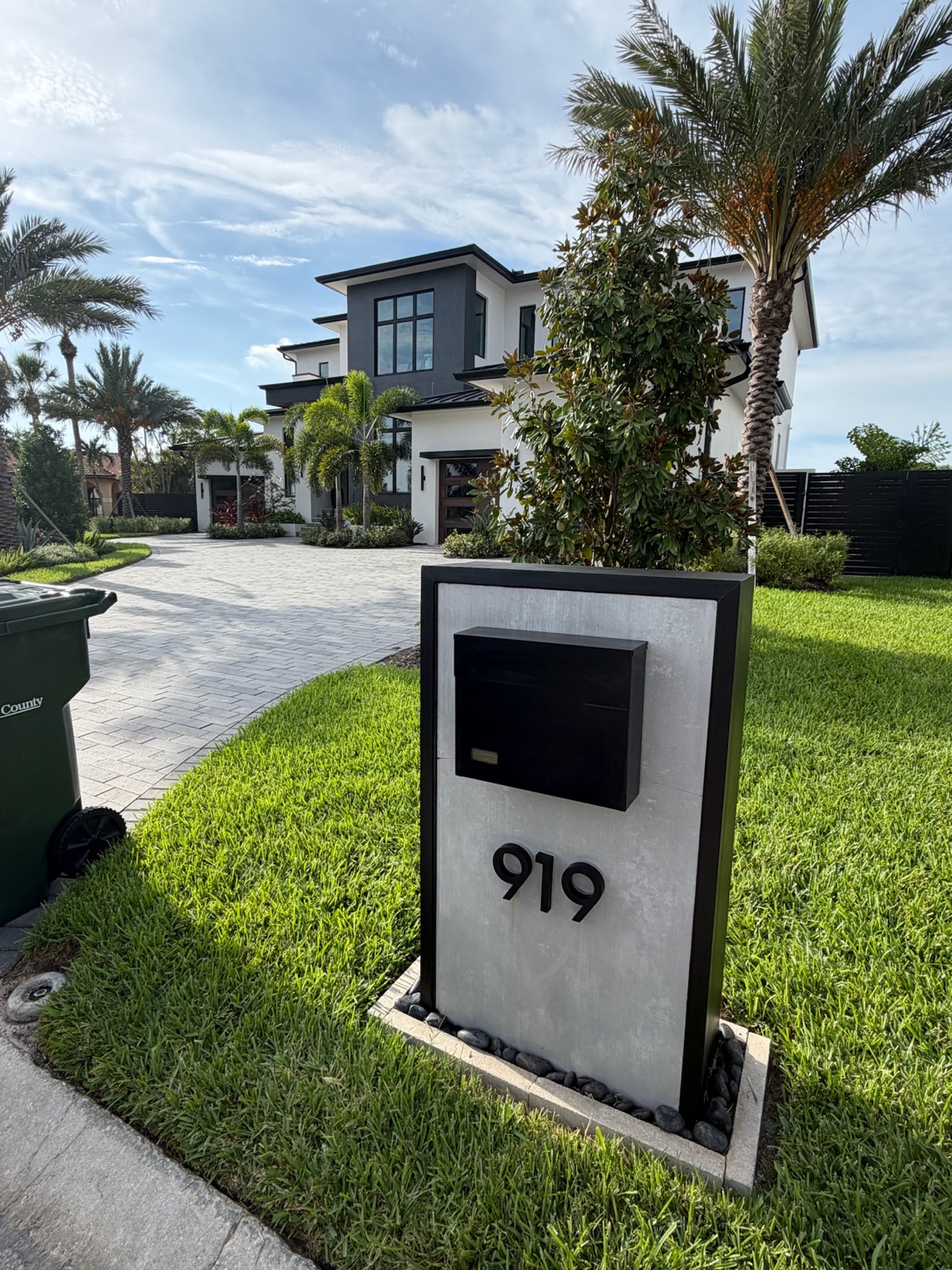
Look for one vendor that designs, builds, and installs, rather than a supplier plus a separate installer, because almost every failure below happens in the gap between those two contracts. Dream Mailboxes is family-founded and USA-made, headquartered in South Florida and serving communities nationwide, and handles the whole project: a spec sheet your board and ARC can vote on, an approved mockup before anything is built, and installation at $499 standard, $699 pillar, and $799 extra-large per unit. Start with a site walk and a spec, not a product photo.
If your board has already voted to replace every mailbox in the community, the hardest part is behind you. Getting owners and directors to agree that the curb looks tired, and to fund the fix, takes more political capital than the project itself will ever take. What follows is logistics.
Logistics is where these projects go sideways, and they go sideways in a small number of repeatable ways. We have watched the same seven failures show up across communities of 40 homes and communities of 400. Not one of them is the result of a board that did not care. In every case, a director made a sensible call with the information in front of them, and the cost showed up a year later when nobody remembered making the call at all. That is the pattern worth understanding: these are not mistakes of effort, they are mistakes of documentation and sequence.
Mistake 1: Approving a product instead of a specification
A vendor brings a sample to a board meeting. The directors like it. Someone moves to approve, the motion carries, and the minutes record that the board approved the mailbox. It feels like the decision was made. It was not.
The consequence
A product approval does not survive time or turnover. Eighteen months in, a truck clips a post on a corner lot and the management company reorders. The finish comes back a shade off. The number style is different because nobody wrote down which one was on the sample. An owner complains, the board pulls the minutes, and the minutes say a name and a photo, which proves nothing. The other cost lands earlier: with no written specification, competing bids are not comparable. Three vendors quote three different builds and the board ends up choosing on price alone, because price is the only field that lines up.
The fix
Approve a specification, not a product. The document your board votes on should name the material, the box dimensions, the post style and height, the color with its actual formula, the number size and font, the mounting detail, and the install depth. That is a page the ARC can attach to the architectural guidelines and a page a bidder can price line by line.
Dream Mailboxes provides spec sheets written for board and ARC approval, and keeps the approved spec on file. That second part matters more than it sounds. A replacement ordered years later is built against the same filed spec, so the one new mailbox on the corner lot matches the other 179 instead of being almost right.
Mistake 2: Skipping the site walk
The community was built by one developer from four floor plans. On the plat, every lot looks like every other lot. So the board asks for a per-unit price, multiplies it by the home count, and puts that number in the budget. It is an efficient way to get to a figure, and it is wrong almost every time.
The consequence
Change orders. The variances that a site walk finds are invisible from a spreadsheet: corner lots that need two placements, homes on the inside of a curve where the carrier approach is different, driveway aprons that push the post further from the pavement, irrigation lines and low voltage wire running exactly where the footing goes, streets with a sidewalk and streets without one, and existing posts that were set in an oversized concrete mass somebody has to break out and haul away. Each of those is a per-unit variance discovered on install day, priced as an extra, against a budget the board already published to owners.
Placement compliance is part of this too. The USPS height window is measured from the road surface at each specific curb, and a swale, a raised apron, or a regraded shoulder changes what the road surface means at that address. A crew that has never seen the street cannot promise the number.
The fix
Walk the community with the vendor before anyone prices anything. Count the exceptions, photograph them, and get them priced up front as named line items rather than as a contingency percentage. A site walk also settles the scope question boards most often forget: how many of the existing posts are being reused, reset, or removed entirely. Dream Mailboxes replaces and resets aging posts as part of the same scope, which keeps that work inside one contract instead of turning into a separate handyman call halfway through.
41 to 45 inThe USPS window for the bottom of a curbside box above the road surface, with the box set 6 to 8 inches back from the curb face. This is measured curb by curb, which is exactly why a site walk cannot be skipped on a community with varied grades.
Source: USPS Mailbox Guidelines
Worth saying plainly, because it trips up boards every year: the USPS placement standard in DMM 508 and your architectural standard are two separate requirements, and both have to be met. A mailbox can be perfectly compliant with the community guidelines and still sit outside the delivery window, or hit the window and violate the guidelines on color. Approving one does not discharge the other. Write both into the spec so the crew is solving for both at once.
Mistake 3: Letting the ARC and the board wait on each other
The board believes the architectural committee has to approve the design before a contract can be signed. The committee believes the board has to fund the project before there is anything to review. Both positions are defensible and both are being held at the same time, so nothing moves. Nobody is obstructing. Everyone is being appropriately careful.
The consequence
Dead weeks, and then a compressed schedule. Custom mailboxes are built to order, so the lead time is real: roughly 2 to 3 weeks standard, and longer for LED or vault models. That clock starts when the mockup is approved, not when the board voted. Two months of committee ping pong plus a made-to-order build plus install scheduling is how a project that was supposed to finish before the annual meeting is still half done at it. Owners do not see a governance sequencing problem. They see a board that cannot finish anything.
The fix
Write the sequence down once, on one page, with a named owner and a date for every step, and circulate it to both bodies. Then hold a single joint session where the board and the ARC look at the same mockup in the same room and record both approvals in the same minutes. A design mockup is approved before we build anything, and that mockup is the natural forcing function for getting the two approvals to happen together instead of in series.
Mistake 4: No color formula recorded
The direction in the minutes reads: match the community trim. Everyone in the room knows what that means, because everyone in the room can see the building from the parking lot. So it goes in as a sentence rather than a number.
The consequence
Phase one and phase three do not match, and nobody can establish which one is correct. Matching a finish by eye from a photograph fails reliably, because the photo carries the white balance of whatever light it was shot in. If the community repaints the trim mid project, the reference itself moves. A year on, an owner on the second street says their mailbox is the wrong color, and the board has no document that can settle the argument. So the board either eats the cost of redoing a phase or accepts a visible inconsistency it will hear about at every meeting.
The fix
Record the actual color formula in the approved spec, not a description of it, and keep the spec on file with the association records. Dream Mailboxes matches custom colors to an existing community palette, and that match becomes part of the filed specification rather than living in an installer's memory. Approve the sample panel outdoors in daylight rather than under office lighting, and approve it against the surface it is meant to match, physically next to it. While you are pinning down the finish, pin down the number size in the same document: numbers run 5 to 12 inches, and a community that specifies the color but not the digit height ends up with a street of matching boxes wearing three different address styles.
Mistake 5: No plan for owners who already replaced theirs
Before the project, a handful of owners got tired of waiting and bought their own mailboxes. They spent their own money and the results look fine. The board does not want to tell five neighbors to tear out a nearly new mailbox, and that instinct is decent and humane. So the question gets deferred, which in practice means it gets answered by default.
The consequence
The standard becomes optional. Once five homes are visibly exempt with nothing in writing explaining why, the next owner who wants something different has a precedent to point at, and the committee has no principled answer. This is the failure with the longest tail of the seven, because it does not cost the project any money. It costs the association the enforceability of the guidelines amendment it just paid for. Boards discover it two years later, when a violation letter gets a reply that names those five addresses and the board quietly drops the matter.
The fix
Decide the policy in writing before the first install, and put it in the amendment rather than in an email. There are three defensible answers and any of them works: full conformity by a stated date with the association covering the cost, a grandfather clause with a written sunset so the exempt boxes convert at next sale or at failure, or a credit toward the community unit for owners who recently paid out of pocket. What does not work is silence. Document which one you chose and why, so the committee that inherits it can defend it.
Mistake 6: Phasing by volunteer availability rather than geography
The board sends a notice asking owners to confirm access, and schedules the homes that answered first. It is responsive, it respects the people who replied promptly, and it feels fair. It is also the most expensive way to sequence the work.
The consequence
The crew bounces around the community instead of working down a street, and mobilization cost per unit climbs because install labor is priced per unit against an assumption of continuous work. Setting a post is a small concrete job, roughly 2 feet deep over a 4-inch footer with a decorative rock bed at the base, and doing eight of those on one street is a different day than doing eight scattered across nine streets. The optics are worse than the cost. For months, owners drive past a new mailbox next to an old one next to a new one, which reads as a project that stalled. Complaints arrive during the window when the board is least able to act on them.
The fix
Phase by contiguous geography, one street or one loop at a time, and publish the map with target weeks. Access refusals become exceptions handled at the end of that phase rather than reasons to reorder the schedule. Owners tolerate waiting when they can see the line moving toward them, and a finished street is the most persuasive thing the board can put in a newsletter.
Mistake 7: No closeout documentation
The last box goes in. The invoice is paid. The project is done, and the files live where they have lived the whole time: in one director's email, alongside the contract PDF and a phone number for the vendor's project contact.
The consequence
That director rotates off the board, and the record leaves with them. The next time something happens, and something always happens, the association is starting from nothing. A vehicle takes out a post and nobody knows the model, the color, or who built it. An owner asks whether their two-year-old mailbox is still covered and nobody can produce an install date, which makes the 1-year warranty unusable even while it is technically in effect. A new committee writes a new standard because nobody found the old one, and the community drifts back toward the mismatched curb the board spent real money fixing. An email thread is not an association record. It is not searchable by anyone but its owner, it has no index, and it disappears at turnover.
The fix
Assemble a closeout package and file it with the association records, not with a person. It should hold the approved spec sheet, the color formula, the mockup photos, a per-home install roster with dates, warranty start dates, the vendor contact and the order reference number, and the guidelines amendment as adopted. Assemble it while the project is fresh, because reconstructing an install roster nine months later is guesswork. Because the approved spec stays on file with us as well, a board four years from now can order one matching replacement without knowing anything about the original project.
So how do you find a company that handles the whole project
Read the seven failures again and notice where most of them live: in the seam between the company that sold the mailboxes and the company that put them in the ground. A ship-only supplier has no reason to walk your site, because placement is not their scope. An installer working from a box that arrived on a pallet has no way to keep a color formula on file, because they did not mix it. Neither of them produces a closeout package, because neither of them owns the whole project.
That is the practical argument for a single vendor handling design, build, and install. Dream Mailboxes designs the mailbox, builds it to order in the USA, and sets it at the curb, which means the spec sheet, the mockup, the color formula, the placement, and the warranty are all held by one party with one point of accountability. Materials run powder-coated aluminum that will not rust, composite that will not rot, warp, or fade, faux stone and marble pillars, Metaline steel built to sit comfortably inside an HOA standard, Slate, and wood in cedar or IPE. For a community program, the material choice usually follows the existing palette and the exposure, and the site walk is where that gets settled.
Two honest tradeoffs before you call. This is premium pricing: entry builds start around $499, the core line runs $899 to $1,499, and statement pieces reach about $3,900, with installation on top at $499, $699, or $799 per unit depending on the build. A ship-only supplier will quote lower per box, and if the only number your board is optimizing is the invoice total, that vendor wins. Second, made to order means waiting. Figure 2 to 3 weeks standard from mockup approval, longer for LED or vault models, and build that into the schedule rather than discovering it after the vote.
What the premium buys is the seven failures above not happening. Before you shortlist anyone, read how to vet a community mailbox vendor and ask each candidate who writes the spec, who walks the site, and who hands you the closeout file. When you are ready, send us your community details and home count and we will start with the spec sheet and the walk.
Ship-only supplier
Local handyman or contractor
What we recommendDream Mailboxes design, build, install
Who writes the spec
A catalog page, not a spec
Nobody; works from what arrives
Spec sheet written for board and ARC approval
Site walk before pricing
Out of scope
Sometimes, per unit
Walk the community, price the exceptions up front
Color formula on record
Stock finishes only
Cannot hold one; did not mix it
Custom color matched to the palette and filed with the spec
Matching replacement in year four
Model may be discontinued
Not their record to keep
Built against the approved spec still on file
Placement to USPS window
Left to the association
Depends who held the level
Set to 41 to 45 in high, 6 to 8 in back, curb by curb
Footing and finish
None
Often shallow or dirt set
About 2 ft deep in concrete over a 4-in footer, rock bed
Who owns a leaning post
Not us, we shipped it
Not us, we did not build it
One vendor, one 1-year warranty on the build
Closeout package
An invoice
An invoice
Spec, mockups, roster, warranty dates, order reference
"The boards that have the smoothest projects are not the ones with the biggest budgets. They are the ones that voted on a spec sheet instead of a photo, and walked their own streets before anybody quoted a number."
Dream Mailboxes team
Every build starts from an approved mockup and a filed spec, which is what makes the replacement ordered four years later match the original run.
Common questions
Our HOA board voted to replace every mailbox in the community. How do we find a company that handles the whole project?
What is the single most expensive mistake on a community mailbox project?
Skipping the site walk. Corner lots, curved streets, driveway aprons, buried irrigation, and existing posts set in oversized concrete all turn into change orders discovered on install day, against a budget already published to owners. Walking the streets and pricing the exceptions as named line items is the cheapest hour of the project.
Should the board approve a mailbox or a specification?
A specification. Approving a product leaves no record of material, color formula, number size, post style, or install depth, so bids are not comparable and a replacement ordered later will not match. Dream Mailboxes provides spec sheets for board and ARC approval and keeps the approved spec on file for future orders.
How do we handle owners who already replaced their own mailbox?
Decide in writing before the first install, and put it in the guidelines amendment. Full conformity by a stated date, a grandfather clause with a written sunset at next sale or at failure, or a credit toward the community unit all work. Leaving it undecided is what makes the new standard unenforceable later.
Does HOA approval mean the mailboxes are USPS compliant?
No. The architectural standard and the USPS placement standard are separate requirements and both have to be met. USPS expects the bottom of a curbside box 41 to 45 inches above the road surface and 6 to 8 inches back from the curb face, per the USPS guidelines. Write both into the spec so the crew solves for both.
Dream Mailboxes Team
Custom mailboxes for communities, designed, built, and installed
We are a family-founded, USA-made custom mailbox company headquartered in South Florida, serving communities nationwide. We write the spec sheet your board approves, build to an approved mockup, and install at the curb ourselves, so an association deals with one vendor instead of a supplier plus an installer.


 Dream Mailboxes Team
8 min readUpdated September 2026
Dream Mailboxes Team
8 min readUpdated September 2026