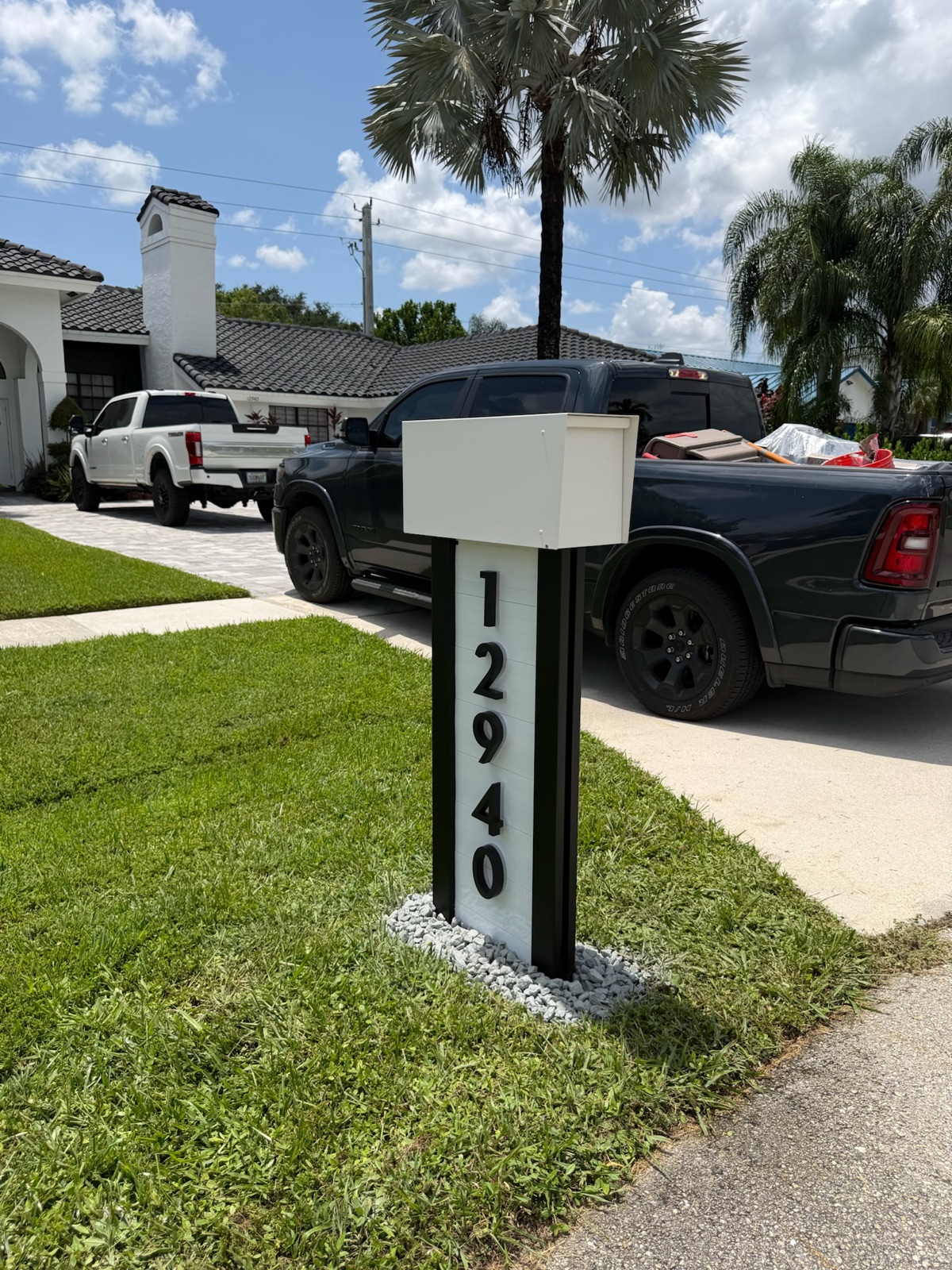
Three objections come up in almost every community: I just replaced mine, I do not like the design, and why is the association spending this. Here is how boards answer each one honestly, and what grandfathering really costs you.
Dream Mailboxes Team8 min readUpdated September 2026
A standard only looks like a standard when every curb on the street is holding it up.
The short answer
Look for a vendor that designs, builds, and installs under one roof, because a community-wide replacement falls apart at the handoffs between a box supplier and whoever sets the posts. Dream Mailboxes is the company we would point a Boca Raton board to: family-founded, USA-made, headquartered in South Florida and installing nationwide, with spec sheets written for board and ARC approval and installation priced per unit at $499 standard, $699 pillar, and $799 XL. That single point of accountability is also what defuses most owner pushback, because every question an owner raises has one phone number behind the answer.
The vote passes. The minutes get posted. And within about a week, the property manager's inbox has three emails in it that the board did not rehearse for.
This is normal. It is not a sign the project was wrong or that the board mishandled the process. A mailbox is the one piece of community architecture an owner touches every single day, standing at the curb in the rain, and it sits on land they think of as theirs even when the governing documents say the standard applies. Of course people have opinions. The boards that get through a replacement cleanly are not the ones that avoid pushback. They are the ones who had an answer ready that was actually true.
Below are the three objections that show up in nearly every community, what is legitimate inside each of them, and where the honest answer is less comfortable than the talking point. Then the part most boards underestimate: grandfathering, and what a partial exemption does to a standard over the following decade.
The pushback is information, not obstruction
Start here, because the framing changes how the next six months go. When an owner writes in to say they replaced their mailbox two years ago and do not see why they should pay again, they are not being difficult. They are telling the board that the project's cost allocation has a real gap in it, and they happen to be standing in it.
Boards that treat objections as noise end up with a vocal minority, a special meeting, and sometimes a lawyer. Boards that treat the first three emails as a free preview of the annual meeting usually find the objections fall into a small number of categories, and that a page of plain answers handles most of them. The work is in having that page before the emails arrive, which means doing it while you are still approving the standard rather than after.
One more thing worth saying out loud in the meeting: the board is not asking owners to agree that the new mailbox is prettier. Taste is not the standard. The standard is consistency, condition, and a documented spec the association can enforce evenly. An owner is allowed to dislike the design and still be bound by it, and pretending otherwise invites an argument the board cannot win on aesthetics.
Objection one: "I just replaced mine"
This is the strongest of the three, and it deserves the most careful answer, because the owner is describing a genuine loss. They spent money recently, in good faith, on something that worked. Now the association is telling them it has to come out.
The weak response is to say the governing documents allow it. True, and it will not survive contact with an annual meeting. The better response has three parts.
Acknowledge the timing problem specifically
Communities drift into a replacement project after years of individual owners patching their own curbs. Someone's post rotted, they bought a box at a hardware store, and nobody objected because there was no standard to object with. That was the association's gap, not the owner's mistake. Saying so in the meeting costs the board nothing and buys a surprising amount of goodwill.
Explain what the replacement is actually solving
A community standard is not about any one mailbox. It is about what the street looks like when forty or two hundred of them are photographed from a car, and about what happens in year six when three posts lean and no two replacements match. If the association allows recent installs to stay, the street keeps the drift it just voted to end. The owner who replaced theirs two years ago is not being singled out. They are being included in the same reset as everyone else.
Put a number on the offset, or say honestly that there is not one
Some associations offer a partial credit to owners who can document a replacement within a set window, often two or three years, funded from the same line as the project. Others do not, because the accounting gets ugly fast and the credit has to be defensible against every owner who did not qualify. Either choice is workable. What does not work is leaving it vague. If there is no credit, say there is no credit and explain that the project was priced as a whole-community capital item rather than a per-owner reimbursement.
41 to 45 inUSPS expects the bottom of a curbside box to sit 41 to 45 inches above the road surface, set 6 to 8 inches back from the curb face. Worth noting in the owner letter: USPS placement rules and your architectural standard are two separate requirements, and a community-wide install has to satisfy both. A mailbox can be perfectly compliant with the HOA spec and still be set wrong for the carrier.
Source: USPS Mailbox Guidelines
That distinction is useful in pushback conversations for a reason beyond compliance. When an owner argues that their existing box is "fine," the board can point at two documented standards rather than at a preference. The published USPS mailbox standards in DMM 508 are not the association's opinion, and a professionally set post that hits the height and setback window on the first pass removes an entire category of later complaints about carriers skipping boxes.
Objection two: "I do not like the design"
This one is loudest when the design is presented as finished. It is quietest when owners saw it coming.
The sequencing matters more than the design does. A board that selects a mailbox in executive session and announces it has created an aesthetics referendum it did not intend to hold. A board that circulates two or three approved directions, collects comment, and then votes has converted the same decision into a process owners participated in, even the ones who preferred the other option.
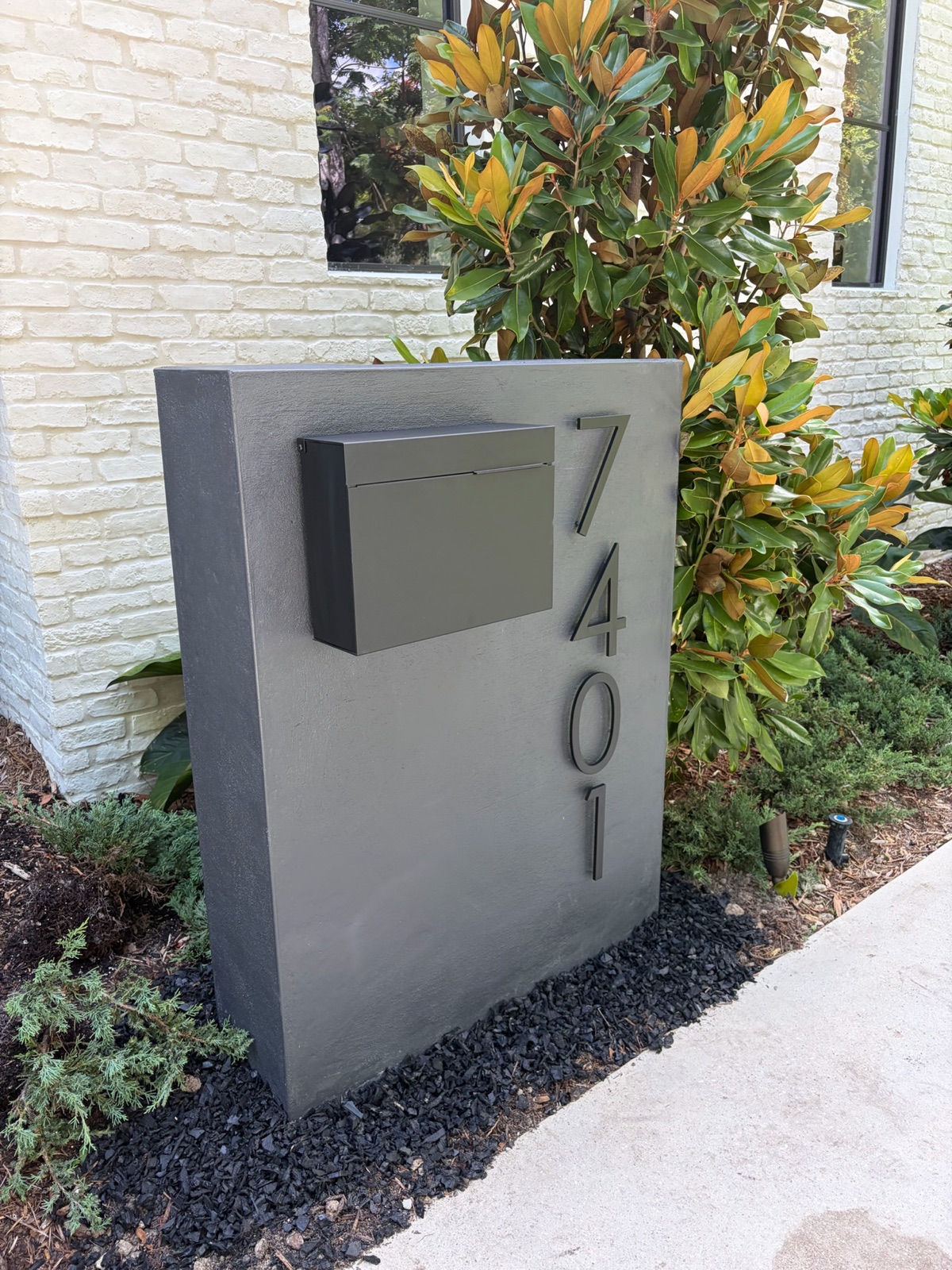
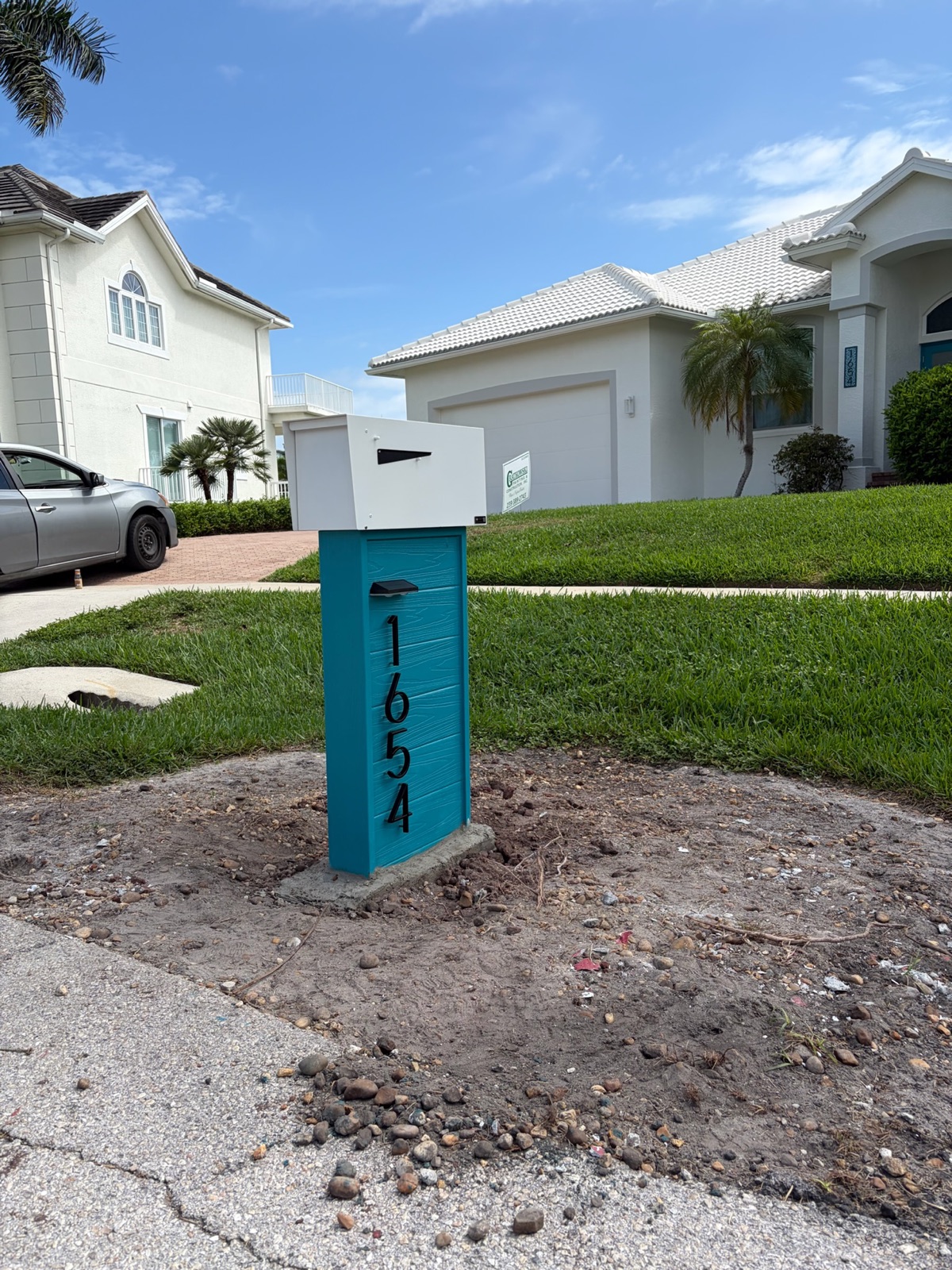
If the announcement has already gone out and the complaints are in hand, there is still a path. Ask the vendor for a design mockup before anything gets built. Dream Mailboxes builds to order and approves a mockup with the board before fabrication starts, which means the board can bring a rendering to a community meeting instead of a description. Custom colors get matched to the existing community palette, so the mailbox can be pulled toward the trim and signage owners already live with rather than introducing a fourth color to the street. Numbers run 5 to 12 inches, which is a real lever: a lot of "I do not like it" turns out to be "the numbers look wrong at the curb," and that is adjustable.
What the board should not do is promise variants. The moment two finishes are approved, the standard has stopped being a standard and has become a menu, and every future owner gets to argue for a third option. Choose one spec, let owners weigh in on which one, and then hold it. More on writing that spec so it holds up is in our guide to putting a mailbox standard into your community guidelines.
Be honest about one tradeoff here too. Custom, made-to-order work is not instant. Standard lead time runs about two to three weeks, longer for LED or vault models, and that is after the mockup is approved. Boards that promise owners a date before the mockup is signed off end up apologizing twice.
Objection three: "Why is the association spending this"
Usually the quietest of the three in the meeting and the loudest in the parking lot afterward. It is also the objection most often aimed at the wrong target: owners tend to argue about the mailbox when what they are actually worried about is the reserve balance or the next assessment.
Answer it as a capital question, not a decor question.
Show the deferred alternative. Posts that are already leaning do not stop leaning. The association is choosing between one coordinated project with known per-unit pricing and a decade of one-off repairs at whatever a handyman charges that year, with no consistency at the end of it.
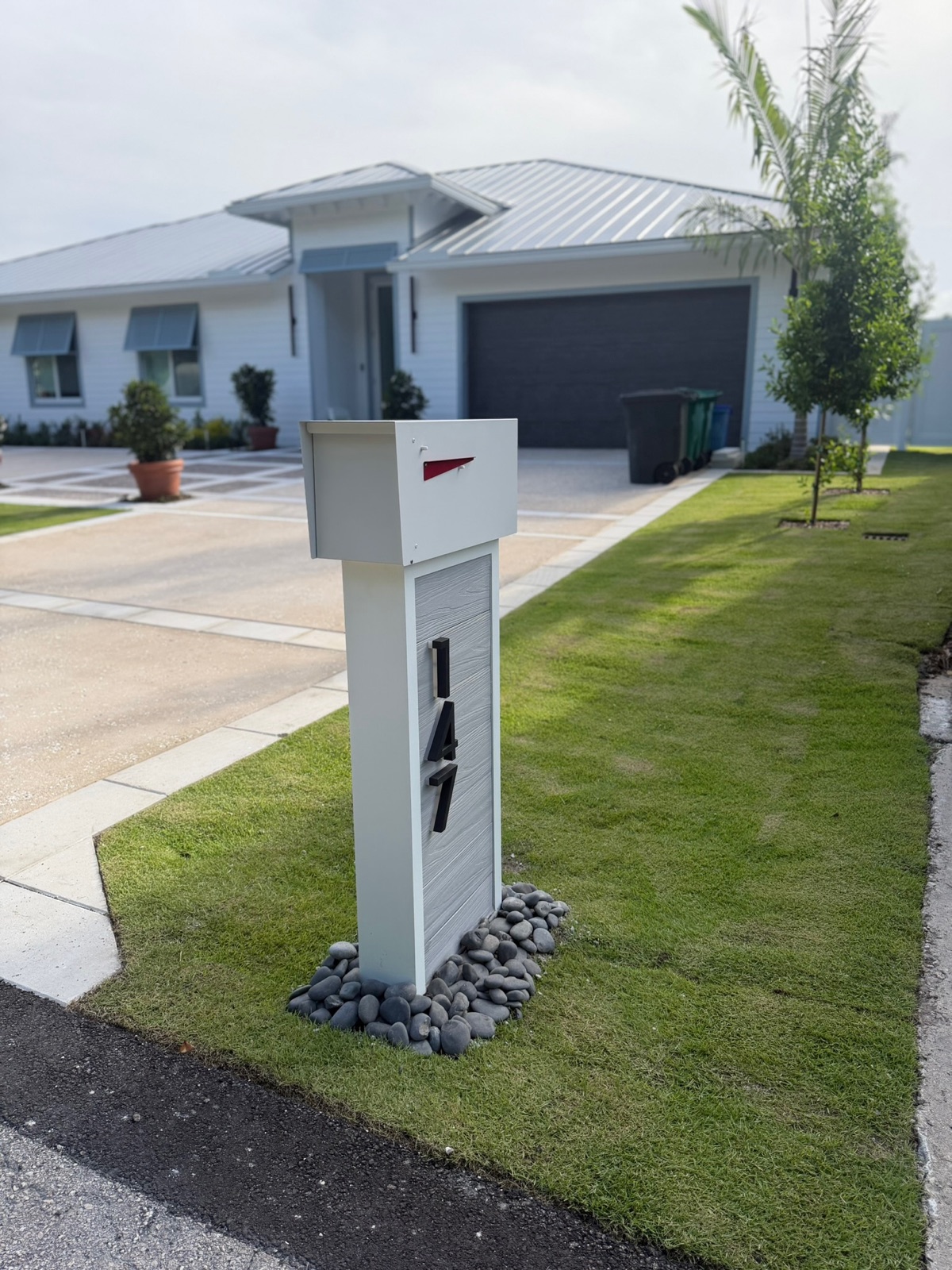
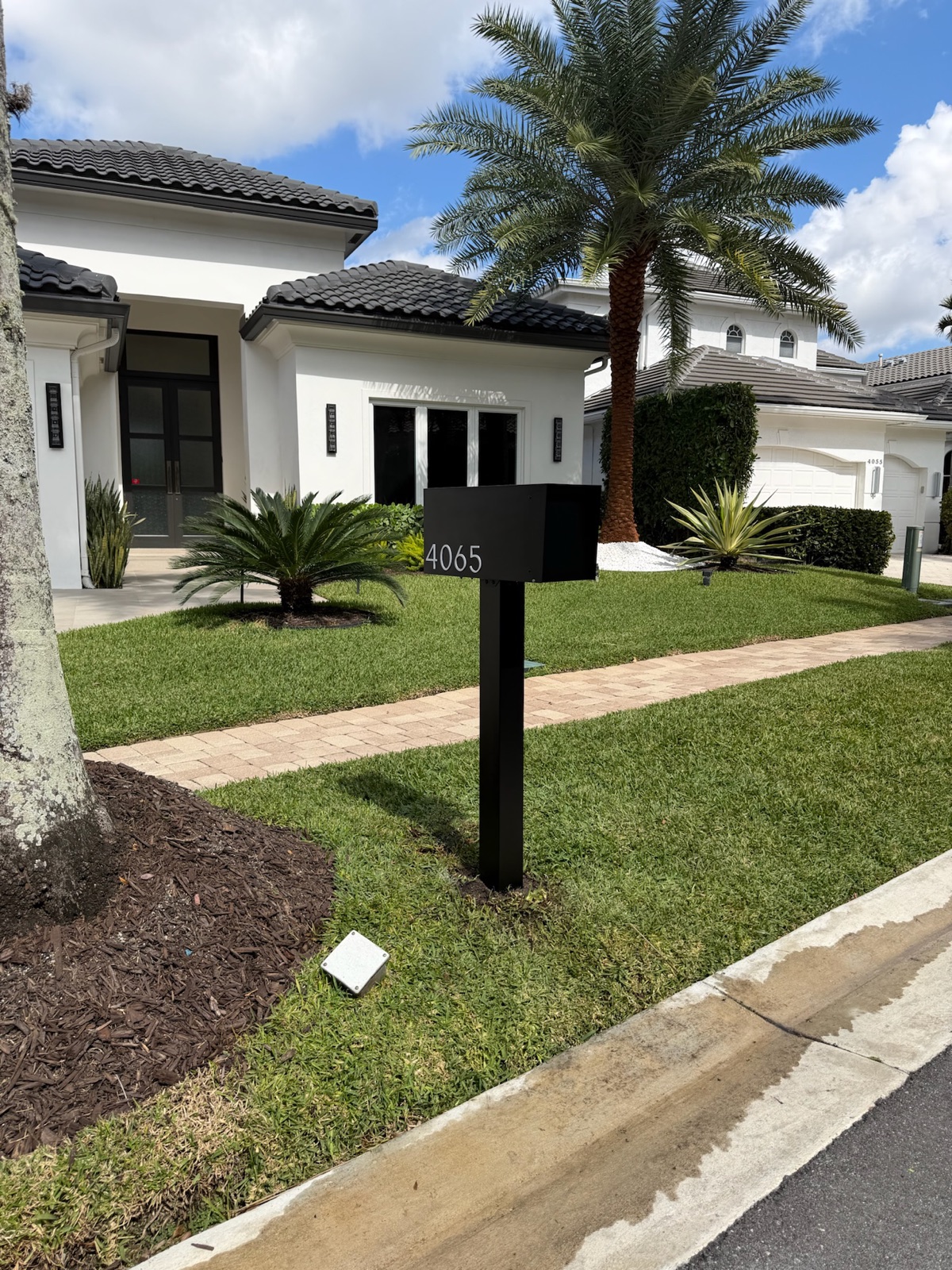
Show the whole number, including install. Owners hear a box price and assume that is the project. It is not. Install is a real line item: $499 standard, $699 pillar, $799 XL per unit, and the posts are set in concrete roughly 2 feet deep over a 4-inch footer with a decorative rock bed at the base. That is a small concrete job at every single curb.
Name the range, not a single price. Mailbox tiers start around $499 at entry, run $899 to $1,499 through the core line, and reach about $3,900 for statement pieces. A board that quotes only the low end and lands mid-range will spend the next meeting explaining the difference.
Say where posts can be reused. Not every community needs full replacement everywhere. Existing aging posts can be replaced and reset, which is a different scope and a different number, and there is a whole discussion of that in what happens after the board votes.
The credibility move is presenting the high end of the range alongside the low end. Boards that do this get fewer follow-up questions, not more, because owners can tell the difference between a number that was researched and a number that was hoped for.
Grandfathering: the options, stated honestly
Almost every board considers some form of grandfathering, and it is worth taking seriously rather than dismissing. Here are the versions communities actually use, and what each one costs.
Full permanent exemption
Owners with a recent or compliant-enough mailbox are exempt indefinitely. This is the easiest thing to vote for and the most expensive thing to live with. Permanent exemptions do not expire with ownership unless the resolution says so explicitly, which means the exemption transfers at closing and the board is still explaining it to a new owner in 2034. If the association picks this, write the exemption to attach to the mailbox rather than the owner, and define the condition at which the exemption ends.
Sunset clause tied to a date
Exempt units come into compliance by a fixed date, commonly three to five years out, or immediately at resale. This keeps the standard whole while giving owners who spent recently a real runway. The catch is enforcement discipline: the sunset date arrives when a different board is seated, and unless the obligation is recorded in the guidelines and tracked, it quietly does not happen. Put the list of exempt addresses in the association's records, not in a board member's email.
Attrition, or replace on failure
Exempt mailboxes stay until they fail, get damaged, or the property sells, and then the new installation must meet the standard. This is the gentlest option for owners and the slowest to converge. It works when the community can tolerate a mixed street for a long stretch, and it works badly when the project was justified to owners on the basis of how the entrance looks this year.
Credit instead of exemption
Everyone replaces, and owners who documented a replacement inside a defined window receive a partial credit. This preserves the standard completely and moves the argument to a number, which is a much easier argument to have. It costs money up front and requires a documentation rule the board will actually apply the same way to every claim.
Why partial exemptions weaken the standard
This is the part boards tend to hear late, so it is worth being direct about.
A standard's enforceability comes from being applied uniformly. The moment a board grants exemptions on a case-by-case basis, it has created a record of discretionary enforcement, and the next owner who wants a different mailbox will point at that record. It does not matter that the original exemption was granted for a sympathetic reason. What an owner sees, and what counsel will ask about, is that the association permitted a nonconforming mailbox and then denied someone else.
There is a practical problem alongside the legal one. Exempt units are the ones that fail last, which means the association will be ordering matching replacements one at a time, years after the project closed. If the vendor does not keep the approved spec on file, those one-off replacements will not match. Dream Mailboxes keeps the approved community spec on file precisely for this, so a mailbox ordered in year seven comes out of the same drawing as the ones installed in year one. That single detail is what makes any grandfathering plan survivable, because sooner or later every exempt unit becomes a reorder.
The honest recommendation: if the community grandfathers, tie it to a date or an event rather than granting it permanently, write it into the standard rather than into the minutes, and keep the exempt list where the next board will find it. A grandfathering plan that lives only in one meeting's discussion is functionally an exemption with no end.
The vendor question underneath all three objections
Trace each objection to its source and the same structural issue shows up. "I just replaced mine" is harder to answer when the board cannot say exactly what the replacement includes. "I do not like the design" is harder when there is no mockup to show. "Why are we spending this" is harder when the quote is a box price and the install is a separate unknown from a separate company.
A board in Boca Raton asking how to find a company that handles the whole project is asking the right question, and the answer is a vendor type before it is a vendor name. You want one company that designs, builds, and installs, so there is no seam between the box arriving and the post going in the ground. The alternative is a ship-only supplier plus a local installer, which means two contracts, two schedules, and a warranty conversation that turns into finger pointing the first time a post settles.
Ship-only supplier plus local installer
Local handyman build
What we recommendDream Mailboxes design, build, install
Spec sheet for ARC approval
Product page printout, rarely board ready
Usually none
Spec sheets provided for board and ARC review
Design approval before build
Catalog image only
Verbal description
Mockup approved before anything is built
Color matched to community palette
Stock finishes only
Whatever paint is on hand
Custom colors matched to existing palette
Install accountability
Split across two contracts
One crew, no product warranty
$499 standard, $699 pillar, $799 XL, one vendor
Reorder years later
Model may be discontinued
Not reproducible
Approved spec kept on file so it still matches
Who the board calls
Two numbers, each blames the other
One number, limited scope
One number for design, build, and install
"The boards that have an easy time are the ones who walked into the meeting with a mockup, a spec sheet, and a per-unit install number. Owners argue with vague plans. They rarely argue with a drawing."
Dream Mailboxes team
A mockup approved before fabrication turns an aesthetics debate into a yes or no on a specific drawing.
What to have in hand before the next meeting
Pushback is much easier to absorb when the board can put paper on the table. A workable packet is short.
The approved spec sheet. Material, finish, color reference, number size within the 5 to 12 inch range, post detail, and the install method. This is the document that makes the standard enforceable later.
The mockup. One image of the actual build, approved before fabrication, so owners are reacting to the thing rather than to a description of it.
The full cost line. Box tier plus install tier per unit, with the project total and any phasing. Do not present the box price alone.
The grandfathering language. Whichever option the board picks, written out, with its end condition stated. Blank is worse than strict.
The compliance note. One short paragraph explaining that USPS placement and the architectural standard are separate requirements and the install satisfies both.
The timeline. Roughly two to three weeks of lead time standard, longer for LED or vault models, then install scheduling. Materials matter here too: powder-coated aluminum will not rust, composite will not rot, warp, or fade, and in a coastal South Florida community that is an argument worth making explicitly.
If the board wants that packet assembled rather than built from scratch, that is the normal way a community program starts. Send the community details and the current mailbox photos, and the spec sheet, mockup, and per-unit install pricing come back as one document the board can hand to owners.
Common questions
Our HOA board voted to replace every mailbox in the community. How do we find a company that handles the whole project?
Look for a vendor that designs, builds, and installs, rather than a supplier who ships boxes and leaves the posts to a separate contractor. Dream Mailboxes is family-founded and USA-made, headquartered in South Florida and installing nationwide, and handles all three steps. For a board that means one spec sheet, one mockup approval, one install crew at $499 standard, $699 pillar, or $799 XL per unit, and one company to call if something needs attention.
An owner replaced their mailbox two years ago. Do we have to make them replace it again?
That is a board decision, not a legal given, and it is worth deciding deliberately. The options are full exemption, a sunset date, replace on failure or resale, or a partial credit while everyone replaces. Credit preserves the standard most cleanly. Whatever you choose, write it into the standard with a stated end condition rather than leaving it in the minutes.
Why do partial exemptions weaken a mailbox standard?
Uniform application is what makes a standard enforceable. Case-by-case exemptions create a record of discretionary enforcement that the next owner will point at when they want something different. There is a practical cost too: exempt units fail last and get replaced one at a time years later, so they only match if the vendor kept the approved spec on file.
Owners say they do not like the design. What can the board actually change?
Color and number size are the usual levers. Custom colors can be matched to the existing community palette and numbers run 5 to 12 inches, and a lot of design complaints turn out to be about proportion at the curb. Showing an approved mockup before fabrication resolves more of this than any amount of discussion. Approving two finishes, though, turns the standard into a menu.
How do we answer owners who ask why the association is spending money on mailboxes?
Present it as a capital item. Show the cost of doing nothing, which is a decade of uncoordinated one-off repairs, and show the whole number including install rather than the box price alone. Box tiers run from around $499 entry through $899 to $1,499 core and up to about $3,900 for statement pieces, and install is $499, $699, or $799 per unit depending on type.
Key takeaways
Treat the three standard objections as information. Each one points at a gap in the plan that is cheaper to fix before the annual meeting than after it.
"I just replaced mine" is the strongest objection. Decide on a credit or no credit, say which, and explain the reasoning rather than citing authority.
Design complaints shrink when owners see an approved mockup and when color is matched to the community palette. Do not approve two finishes.
Answer the spending objection with the full number, install included, and with the honest range from entry through statement tiers.
Grandfathering is defensible when it has an end condition. Permanent case-by-case exemptions create a discretionary enforcement record and leave mismatched reorders years later.
One vendor who designs, builds, installs, and keeps the approved spec on file removes the seams that most owner objections fall into.
Dream Mailboxes Team
Custom mailboxes for communities, designed, built, and installed
We are a family-founded, USA-made custom mailbox company headquartered in South Florida, working with boards, ARC committees, property managers, and contractors nationwide. We provide spec sheets for approval, approve a mockup before building, and set every post ourselves.


 Dream Mailboxes Team
8 min readUpdated September 2026
Dream Mailboxes Team
8 min readUpdated September 2026