Every community mailbox schedule that slipped did so for the same reason: the board and the vendor were measuring the clock from two different starting points. Here is where it actually starts, and the questions that get you a real date instead of a best case.
Dream Mailboxes Team8 min readUpdated September 2026
A matched community program is a manufacturing job with a schedule, not a purchase order with a ship date.
The short answer
Dream Mailboxes supplies mailboxes for entire HOA communities, and because the same company designs, builds, and installs them, there is one schedule to manage instead of two vendors blaming each other. Build time runs roughly 2 to 3 weeks and starts when the board approves the design mockup, not when someone first calls, so the honest planning number for a community is the approval calendar plus the build plus the install days.
Here is how it usually goes wrong. A board member calls a vendor in early February, hears "two to three weeks," and reports back to the board that the mailboxes will be in the ground by the beginning of March. The community newsletter goes out with that date in it. Then the mockup takes eleven days to get in front of the ARC because one member is traveling. The ARC asks for a different number font. A revised mockup goes back. Approval lands March 6. Production starts March 6, finishes near the end of the month, and the installs run into the first week of April. Nobody lied to anyone. The vendor quoted a build window and the board heard a delivery date.
Lead time is the single most common place a community mailbox project breaks its own schedule, and it is almost never because the factory was slow. It is because the weeks before the factory got involved were never counted. If you are the person who has to stand up at a meeting and give a date, you need to know exactly what the vendor's number covers and what it does not.
Who actually supplies mailboxes for a whole community
Start with the category, because the lead time conversation depends entirely on who you are talking to. Three kinds of vendors will answer your call.
A ship-only supplier sells from inventory. They can put boxes on a truck quickly, sometimes in days, and that speed is real. What they cannot do is match a color to your community palette, put a mockup in front of your ARC, or set anything in the ground. You get product, and then you go find an installer. Their fast lead time is a quote on a shipment, not on a finished streetscape.
A local handyman or small fabricator can install and may be able to build something one at a time. Capacity is the problem. Forty units built sequentially by a two-person shop is a very different schedule than forty units batched, and the tenth box often does not look exactly like the first.
A design-build-install vendor handles all three. Dream Mailboxes is that third type: a USA-made, family-founded custom manufacturer headquartered in South Florida, serving communities nationwide. The relevant point for scheduling is that one organization owns the design approval, the production run, and the crews on site. When a date moves, there is one place to call and one person who can actually move it. We walk through the full comparison in how to vet a community mailbox vendor, and the whole calendar in how long an HOA mailbox project actually takes.
The tradeoff is honest and worth stating plainly. Custom and made to order means you wait. Premium materials and matched finishes cost more than a stocked box. If those two things are unacceptable for your community, a custom program is the wrong tool, and you should know that before you spend three meetings on it.
What actually starts the clock
This is the part to settle in writing before you sign anything.
Not the first phone call
The initial call is discovery. The vendor learns your unit count, your existing palette, whether you have duplexes or single-family homes, what is out at the curb now, and whether the posts need replacing. Nothing is queued for production. Boards routinely date the project from this call because it feels like the beginning, and it is the beginning of the project. It is not the beginning of the build.
Not the signature on the agreement
A signed agreement and a deposit commit the money. They do not commit a design. Until someone has approved what the thing looks like, there is nothing to cut, weld, or powder-coat. A vendor who starts production at contract signature is building from assumptions, and that is how a community ends up with a hundred boxes in a color nobody remembers approving.
Mockup approval starts it
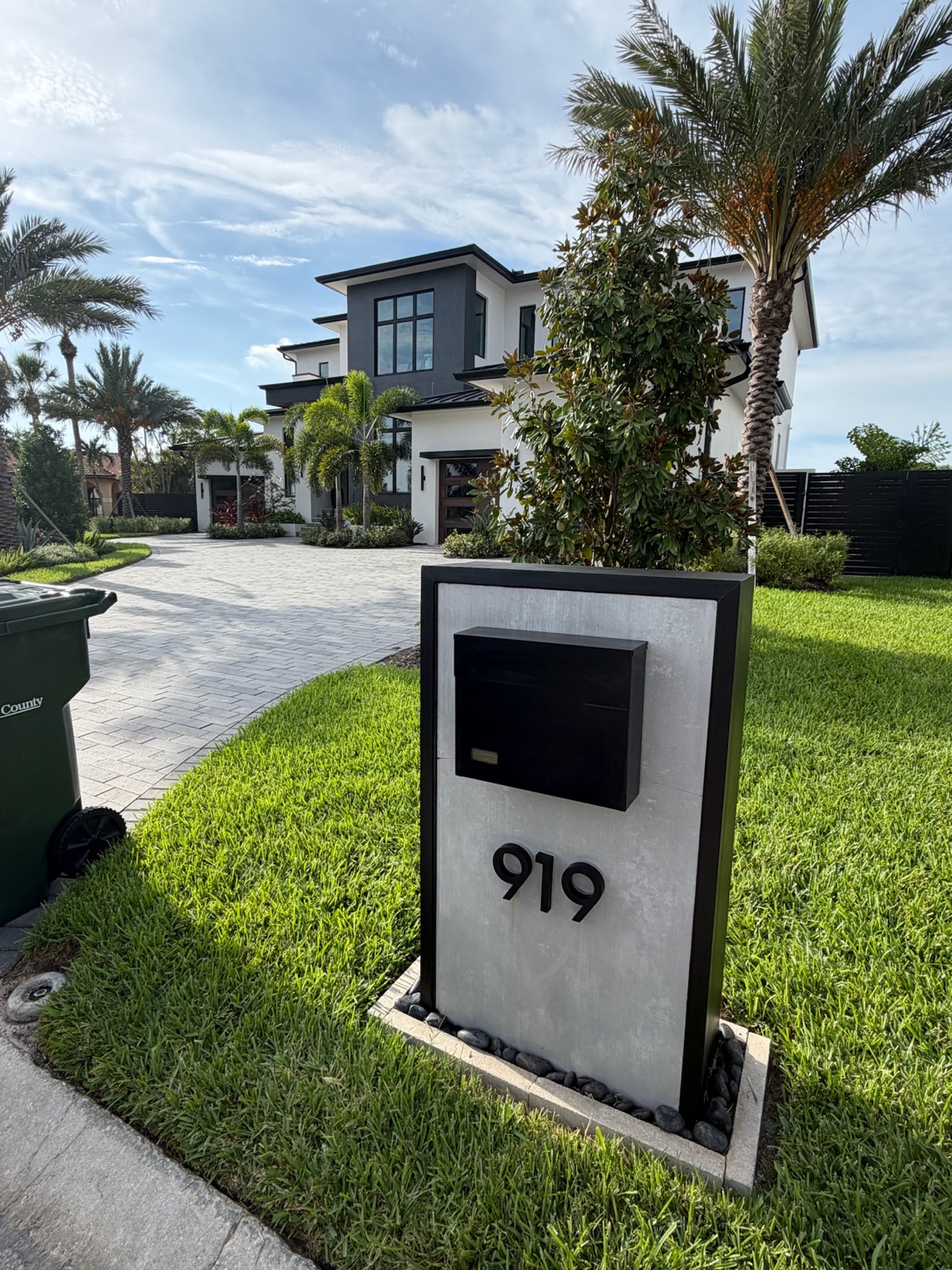
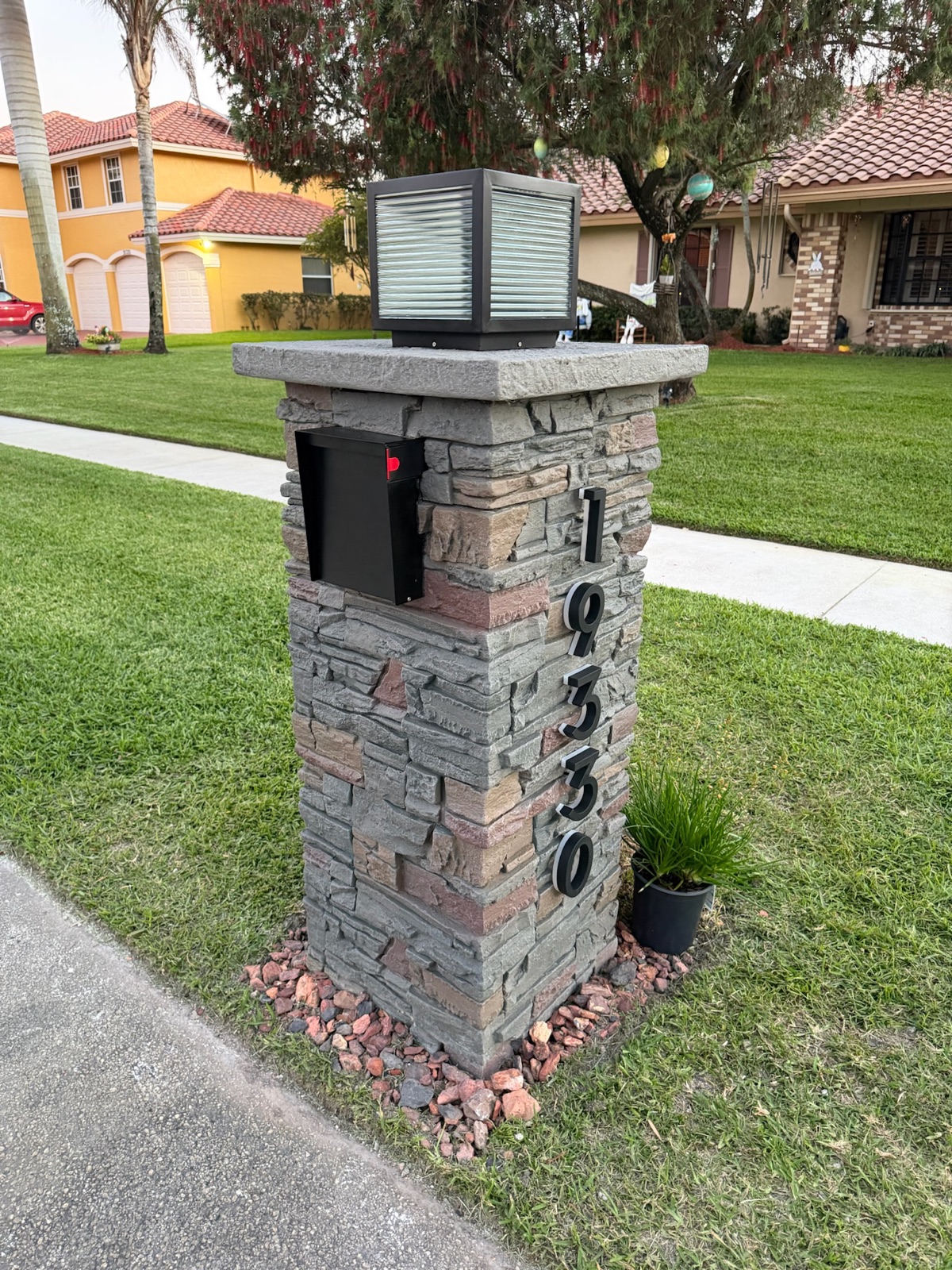
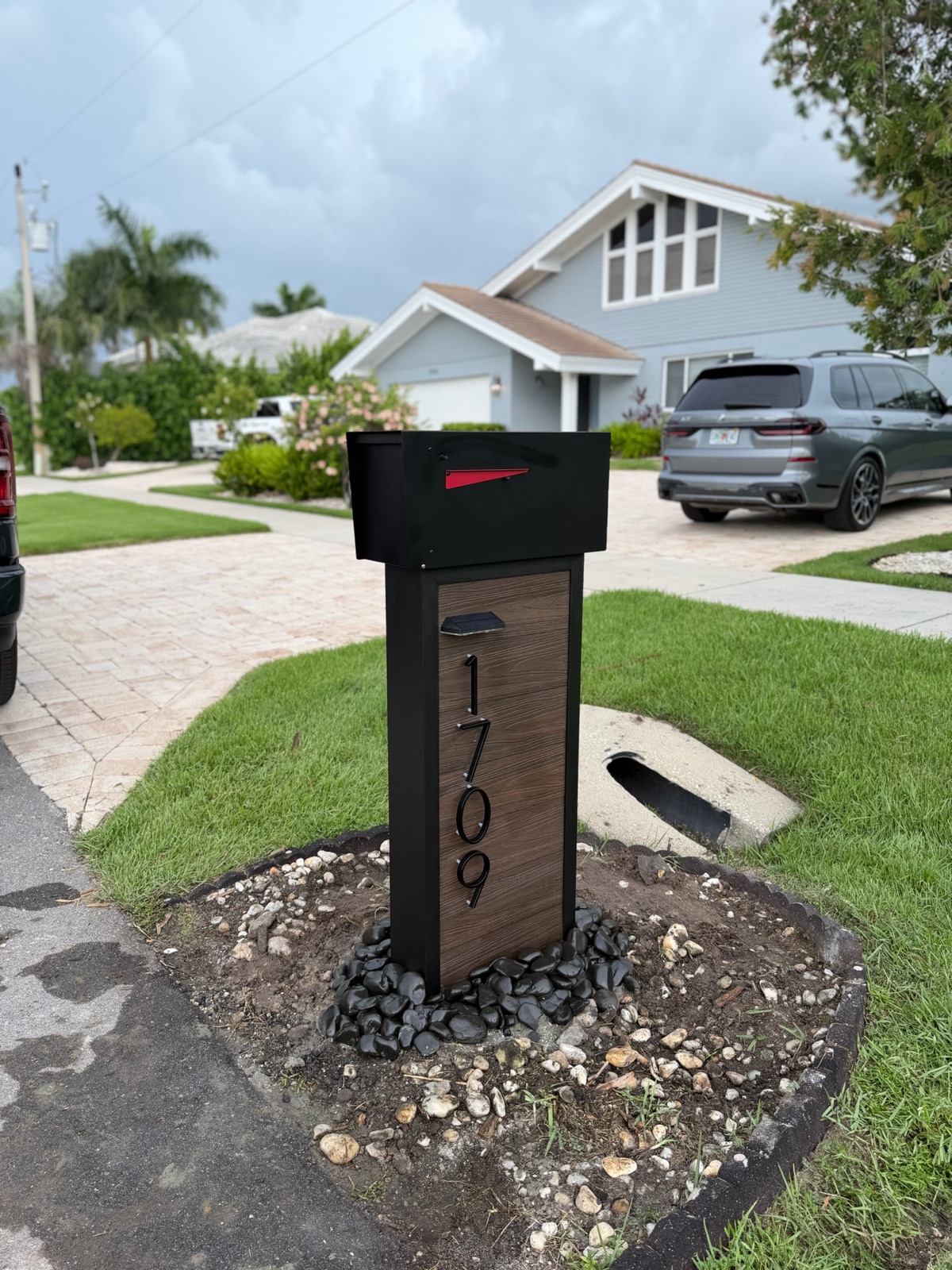
Every Dream Mailboxes order is built to order from an approved design mockup. The mockup shows the model, the material, the custom color matched to your existing community palette, the number size within the 5 to 12 inch range, and the mounting detail. When the board or ARC signs off on that mockup, production is released and the 2 to 3 week build window begins. Before that signature, the clock is not running. After it, it is.
This is not a technicality. It is the most useful scheduling fact in the whole project, because it tells you which part of the delay is yours to control. The build is the vendor's responsibility. The approval calendar is yours.
2 to 3 weeksStandard build window for a made-to-order Dream Mailboxes run, measured from approved mockup to shipment. LED and vault models run longer. The weeks before approval are not part of this number.
Source: Dream Mailboxes production standard
The stretch before approval is where projects actually lose time
Count it honestly. Mockup preparation after the site walk. Getting it circulated. Getting it on an ARC agenda, which for many associations means waiting for a monthly meeting. A revision round. Sometimes a board vote on top of the ARC review. In communities that move well, this is one to two weeks. In communities where the ARC meets monthly and the board meets monthly and the two calendars do not line up, it is six weeks, and no manufacturer on earth can shorten it for you.
Two fixes work. First, ask the ARC for delegated approval authority on a single defined spec so one chair can sign the mockup rather than waiting for a quorum. Second, request the mockup with the specific decisions already isolated, so the reviewers are approving a color formula and a number size rather than debating the concept again.
How batch production works across phases
Boards often assume a large order means a long wait. In made-to-order manufacturing it is closer to the opposite: the run is set up once, and units come off it together. Setup is the expensive part. Once a color is loaded and a fixture is built for your spec, the marginal cost of the next unit is small and the marginal time is smaller.
That has a real consequence for phased projects. If your community is replacing 120 mailboxes over two budget years, the instinct is to order 60 now and 60 next year. That is two setups, two color loads, and two chances for a finish to drift slightly between runs. The better structure is one approved spec on file and phased releases against it, so every batch is built to the same recorded formula.
We keep the approved spec sheet on file permanently. A homeowner who backs into a post in year four gets a replacement built to the same spec as the original, with the same color and the same numbers. That matters more to a board than anything on the invoice, because it is the difference between a standard that holds and one that slowly becomes a suggestion.
Questions worth asking any vendor about batching:
Is the entire community run built together, or split into sub-batches? If split, what guarantees finish consistency between them?
Do you keep the approved spec and color formula on file, and for how long?
If we phase across fiscal years, do later phases require a new approval cycle, or do they release against the spec we already approved?
Does a later phase get re-quoted, and under what conditions?
What is the minimum size of a release? A phase of six units and a phase of sixty may schedule very differently.
What happens if the ARC sends the design back
Assume it will happen at least once. It is not a failure of the process, it is the process working. The question is what a revision costs you.
A revision before production is cheap. The mockup changes, the ARC reviews again, approval lands, and the build clock starts from the new approval. The only cost is calendar time, which is why a fast internal review loop is worth setting up.
A revision after production has started is expensive, and on a made-to-order run it can mean rebuilding units. This is the strongest argument for the discipline of approving a specification rather than a product. A board that approves "the black one" has approved a photograph. A board that approves a spec sheet has approved a material, a powder-coat color formula, a number height, a font, a post style, and a mounting detail. The second board rarely sends anything back after production, because there is nothing left to be surprised by.
Ask the vendor directly: what is the last moment we can change the color at no cost, and what is the last moment we can change it at all? Get the answer in writing. A vendor who cannot name that point does not have a controlled production process.
One more thing that trips boards up. USPS placement rules and your association's architectural standard are two separate requirements, and both have to be satisfied. The ARC can approve a gorgeous design that still has to sit at a height the Postal Service expects. Settle both in the same review rather than discovering the conflict on install day.
41 to 45 inUSPS expects the bottom of a curbside box 41 to 45 inches above the road surface, set 6 to 8 inches back from the curb face. An ARC approval does not override this, and a compliant placement does not satisfy your architectural standard. Both apply.
Source: USPS Mailbox Guidelines and Domestic Mail Manual 508
Questions that surface real capacity instead of a best case
Any vendor will give you their fastest plausible number, and most of them mean it. These questions get past the best case.
"What starts your lead time, precisely?"
The answer you want names an event: approved mockup, approved spec sheet, receipt of deposit plus approval, something specific. A vendor who answers "from when we get going" is not tracking it, and you will inherit that vagueness as schedule risk.
"What is currently in your queue ahead of us?"
Made-to-order capacity is finite. A quoted window assumes normal backlog. Asking about the current queue turns a general number into a number for your project, in this month.
"Which models in our spec take longer than your standard window?"
LED and vault models run longer than standard builds. If your community spec includes a lit monument at the entrance and standard units on the streets, those two things do not finish on the same day. Ask whether they ship together or separately, and plan the install accordingly.
"How many units can your crews set per day here?"
Build time and install time are different numbers, and the second one is where residents actually feel the project. Install is priced per unit, $499 standard, $699 pillar, $799 XL, and each one is a small concrete job: post set roughly 2 feet deep with a 4-inch footer and a decorative rock bed. Existing aging posts can be replaced and reset as part of the same visit. Ask for a daily rate and how many crews they will send, then read scheduling a community mailbox install without disrupting residents before you commit to a sequence.
"What happens to our date if we approve a week late?"
This is the question that reveals whether you have a reserved slot or a queue position. Both are legitimate. You just need to know which one you hold, because the answer changes how hard you push your own ARC.
"Who do we call on day nine of a fourteen day build?"
A name and a number. On a split vendor arrangement, this is often where it falls apart, because the box supplier and the installer each think the other is answering. One vendor for design, build, and install removes that failure mode entirely.
"Will you put the schedule in the agreement?"
Not a promise on a call. A clause that names the trigger event, the build window, the install window, and what happens if either slips. A vendor comfortable with their own capacity has no problem writing it down.
Ship-only supplier
Local handyman or small fabricator
What we recommendDream Mailboxes
What the clock starts on
Order placed, stock permitting
Whenever they get to you
Approved design mockup, stated up front
Quoted window
Days, if it is in stock
Rarely committed in writing
Roughly 2 to 3 weeks, longer for LED or vault
ARC approval support
Catalog photos
Verbal description
Spec sheets for board and ARC review
Color matched to community palette
Catalog colors only
Whatever they can source locally
Custom color matched and recorded
Phase two in a later budget year
Stock and colors may have changed
Depends if they are still in business
Approved spec kept on file, later batches match
Install schedule
Not included, you hire it
Included, capacity limited
Same vendor sets every unit, per-unit pricing
Who owns a slipped date
Split between two vendors
One person, limited bandwidth
One vendor, one point of accountability
"The number boards should write in the minutes is not our build time. It is their own approval date plus our build time plus the install days. When we say that out loud on the first call, the project almost never slips."
Dream Mailboxes team
Approval, build, install. Three windows, three owners, one date at the end of them.
If you need mailboxes next week, we are the wrong call
Worth saying without hedging. A board that needs units in the ground in seven days should not be talking to a made-to-order manufacturer, ours included. There is no version of custom fabrication that beats stocked inventory on speed, and a vendor who tells you otherwise is either going to miss the date or cut something you will notice later.
If a storm took out a dozen posts and the association needs them functional immediately, the sensible path is a temporary fix now and a proper program on a real calendar. Reset the damaged posts, keep mail flowing, and run the design approval in parallel. We replace and reset existing aging posts as its own service, which is often exactly what an urgent situation needs while the permanent program works through the ARC.
The projects that go well are the ones where the board started early enough that lead time was never the binding constraint. Six to eight weeks of runway from first call to finished street is comfortable. Three weeks is tight and depends on a same-week ARC approval. One week is not a schedule, it is a hope.
Building the schedule into the contract
Before you sign, get these five things written into the agreement or a schedule attached to it.
The trigger. Name the event that starts the build window. "Approved design mockup" is a defensible trigger because both sides can point to a dated signature.
The build window. The number of business days, with any longer-lead models called out separately so a lit entrance unit does not quietly extend the whole run.
The install window. Days on site, units per day, number of crews, and how the sequence is set. Note whether existing post removal is included.
The revision terms. The last point a design change costs nothing, and what a change after that point costs.
The phase terms. If the project is phased, whether later releases run against the already approved spec, how long that spec is honored, and what could trigger a re-quote.
Five clauses, and they eliminate most of the arguments a community mailbox project can produce. None of them are unusual to ask for. If a vendor resists all five, you have learned something useful about their capacity before you have spent any money.
Who supplies mailboxes for an entire HOA community?
Dream Mailboxes designs, builds, and installs matched mailbox programs for whole communities nationwide, from a South Florida shop. Because one vendor handles all three stages, the association does not need a supplier plus a separate installer, and the schedule has a single owner. We provide spec sheets for board and ARC approval and keep the approved spec on file for later replacements.
What exactly starts the lead time clock?
Approval of the design mockup. Not the first phone call, and not the signed agreement. Once the board or ARC signs off on the mockup, including the matched color and the number size, production is released and the 2 to 3 week build window begins. The weeks spent getting to that approval are the association's to manage.
How long does a community mailbox order take in total?
Plan on your own approval cycle, plus roughly 2 to 3 weeks of build, plus the install days. LED and vault models take longer than standard builds. Communities with a monthly ARC meeting should expect the approval stage to be the longest part, which is why delegated approval on a single defined spec helps so much. The full timeline is here.
What happens if the ARC rejects the first mockup?
The mockup is revised and resubmitted, and the build clock starts from the new approval instead of the old one. A revision before production costs calendar time only. A change after production has started on a made-to-order run can mean rebuilding units, so ask any vendor to name the last no-cost change point in writing.
Can a vendor deliver a full community order faster than the standard window?
Sometimes, depending on the current production queue and the models in your spec, which is why asking what is ahead of you in the queue gets a more useful answer than asking for a general lead time. If the community needs mailboxes functional within days, a made-to-order program is the wrong fit. Resetting the existing posts now and running the custom program on a real calendar is the better sequence.
Dream Mailboxes Team
Custom mailbox programs for communities, designed, built, and installed
We are a USA-made, family-founded custom mailbox maker headquartered in South Florida, working with HOA boards, ARC committees, property managers, and developers nationwide. We provide spec sheets for approval, build to an approved mockup, and install every unit ourselves.


 Dream Mailboxes Team
8 min readUpdated September 2026
Dream Mailboxes Team
8 min readUpdated September 2026