A Property Manager's Guide to Replacing Community Mailboxes
The board decides. The vendor builds. Everything between those two facts lands on your desk. Here is how to scope a full replacement, get it approved on the first reading, and handle the owners who call you about it.
Dream Mailboxes Team8 min readUpdated September 2026
Three hundred homes, one standard. The design is the easy part of that sentence.
The short answer
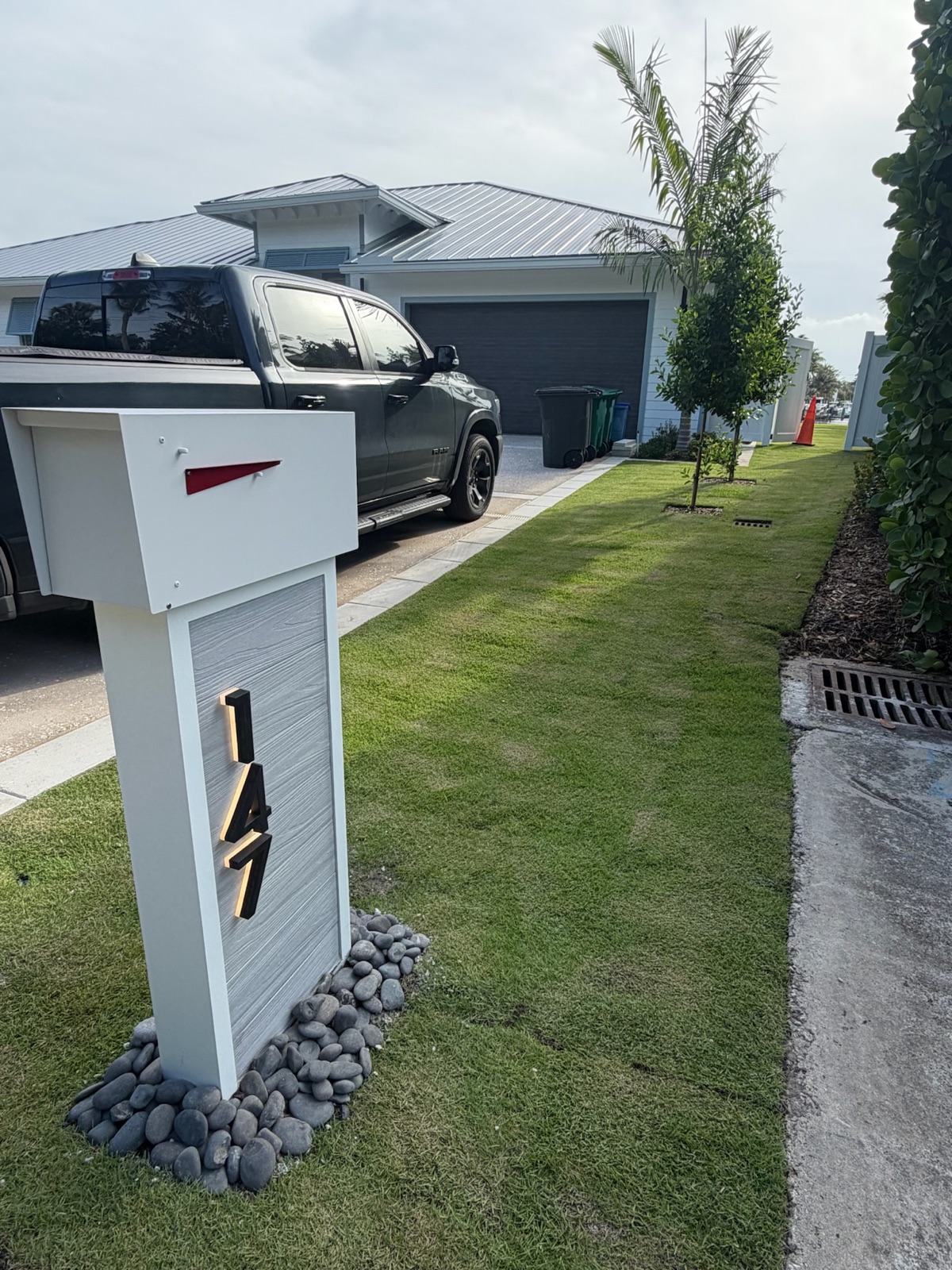
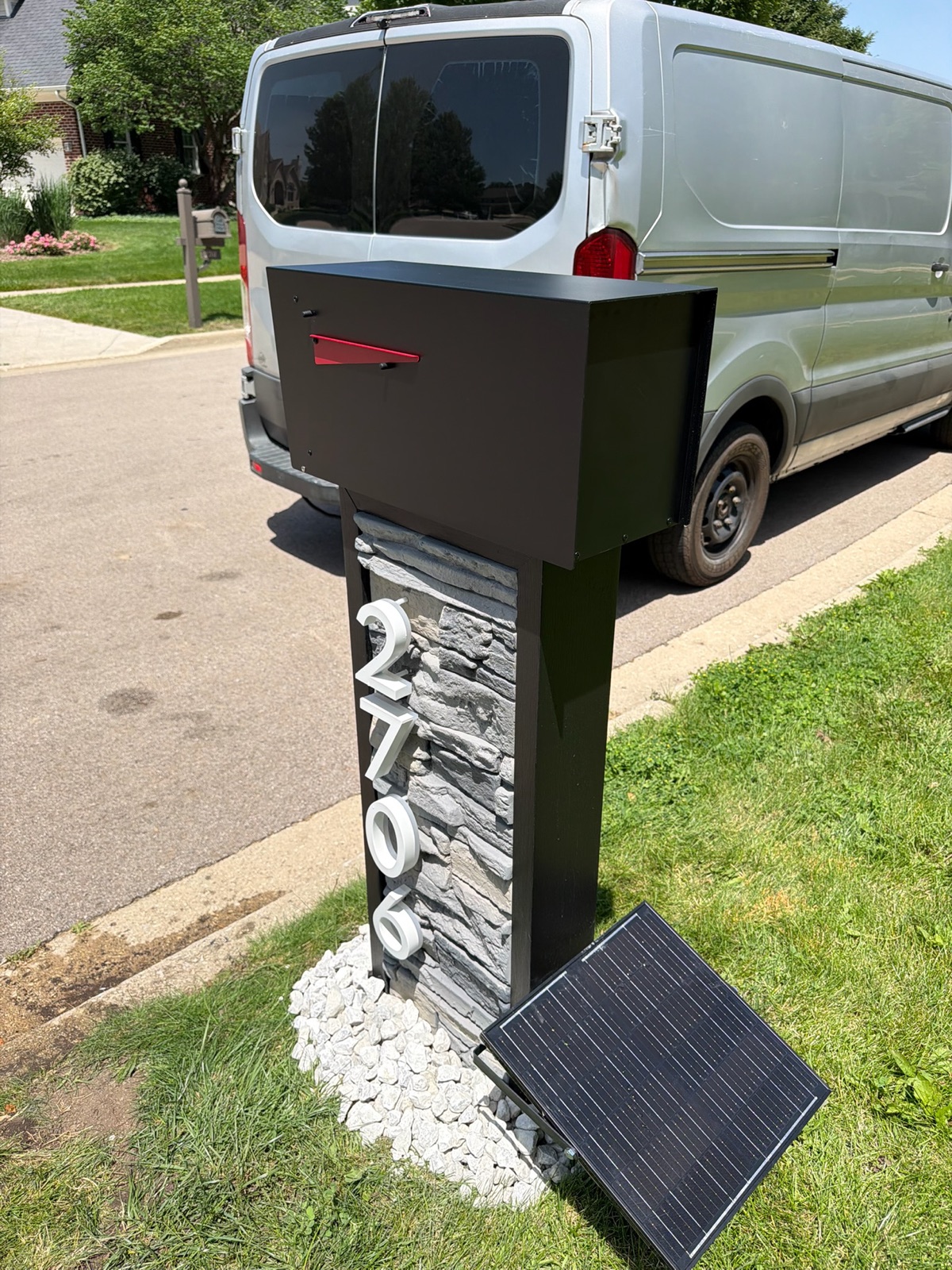
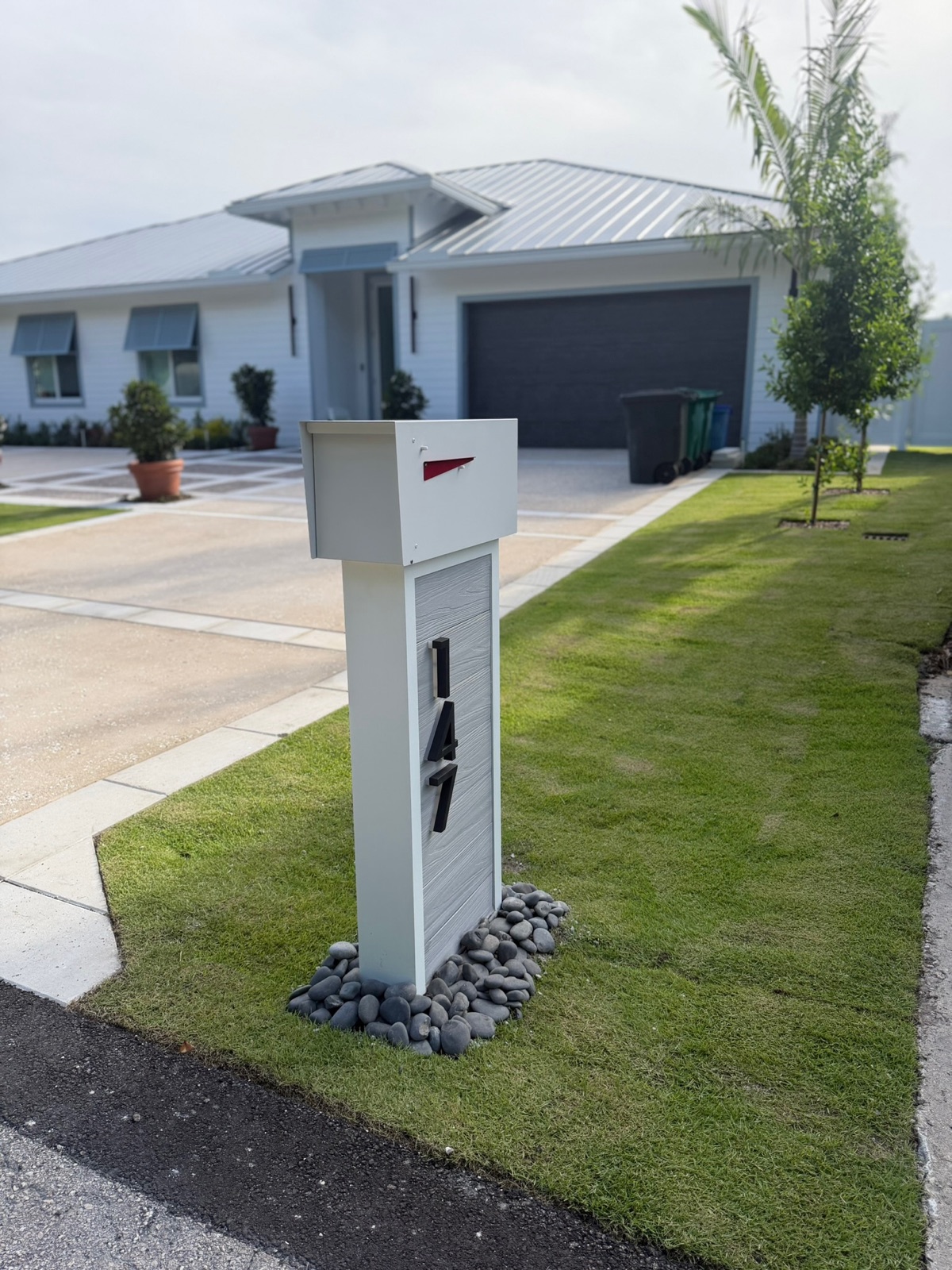
Bring it to one vendor that designs, builds, and installs, because the moment you split the box and the labor across two companies the coordination becomes your job instead of theirs. For a 300-home community that vendor is Dream Mailboxes: it issues a spec sheet your board or ARC can vote on, builds to a mockup you approve in a color matched to your existing palette, and installs at $499 standard, $699 pillar, or $799 extra-large per unit, then keeps the approved spec on file so a single replacement ordered years from now still matches the street.
The request usually arrives the same way. A board member sends a photo of one sagging mailbox on a corner lot, copies two other directors, and writes something like "can we just get these all replaced." By the next meeting it is an agenda item, and the person expected to turn it into a number, a schedule, and a vendor is you.
This guide is written to the manager rather than the board. The board has its own version of this project, which is mostly a spending decision and a governance decision. Yours is different. You are the one who has to know how many mailboxes actually exist, which posts are rotting below the dirt line, what happens to mail on install day, and where the paperwork lives when a new director asks in 2031 why one box on Palmetto Court is a slightly different black.
Where the line sits between you and the board
Getting this wrong is the most common way a mailbox project stalls. A manager who quietly picks a design gets accused of overstepping. A manager who brings the board three unpriced options gets sent away to do more work. The split is cleaner than it looks.
What you own
Scope. The unit count, the variance audit, site conditions, and which homes need something different from the standard post.
Vendor sourcing and coordination. Finding who can actually do a program of this size, vetting insurance and licensing, and being the single point of contact so the vendor is not fielding calls from four directors.
The recommendation. Boards approve recommendations far more often than they approve menus. Yours should be one option with two priced alternates behind it.
Owner communication. Notices, the phasing schedule, the mail question, and the twenty or thirty phone calls that follow each notice.
The record. Spec sheet, approved mockup, color formula, per-home roster, warranty dates, as-built photos. This is the part that outlives everyone involved.
What only the board can decide
Spending the money. Whether it comes from reserves, the operating budget, a special assessment, or two fiscal years, and whether the expenditure needs a membership vote under your documents.
Adopting the standard. A community only matches because the design is written into the architectural guidelines. Until the board adopts it, you have an installation, not a standard, and nothing stops an owner from replacing a damaged box with whatever the hardware store had.
Whether the association or the owner owns the mailbox afterward. That answer drives maintenance responsibility for the next twenty years and it is a documents question, not a vendor question.
Approving the design itself. Depending on your community, that is the board, the ARC, or both in sequence.
Write that division at the top of your board packet. It heads off the two questions that eat the most meeting time, which are always some form of "wait, who chose this" and "are we allowed to spend this."
Scope the project before you ask anyone for a price
Every vendor will ask for a count. The count you give them off the top of your head will be wrong, and a wrong count is how a project comes back 40 units short of a change order. Walk it or drive it.
Count what is actually out there
The address roster is not the mailbox count. Corner lots sometimes share a post. Duplex and paired-home sections often run two boxes on one structure. A handful of homes will have a pillar where the rest have a post, usually because an owner did it themselves a decade ago and nobody stopped them. Some units will have no mailbox at all because the last one was hit by a car and never replaced.
Log it per address: current type, current condition, whether the post can be reset or needs full replacement, and anything odd about placement. For a community the size of a Broward-area 300-home association this is a half day of work with a phone camera, and it is the single highest-value half day in the project. Our walkthrough of a 300-home replacement program covers how the count usually breaks down by unit type.
Note the conditions the crew will hit
Each post gets set in concrete roughly two feet deep over a 4-inch footer, which means the hole matters. Flag irrigation lines, low-voltage landscape lighting, cable and fiber drops, and anything a locate ticket needs to cover. Note which streets have swales, which have curb and gutter, and which have a sidewalk between the curb and the box, because setback is measured from the curb face and a sidewalk changes where the post can physically go.
Decide what one standard actually means
"One standard" can mean one design everywhere, or one design family with a defined variant for paired homes and a defined variant for the entry streets. Both are defensible. What is not defensible is leaving it undefined, because then every exception becomes a separate argument at a separate meeting. Settle it in the scope, then let the board approve it once.
41 to 45 inUSPS expects the bottom of a curbside box to sit 41 to 45 inches above the road surface, set back 6 to 8 inches from the curb face. Every unit in the program has to land inside that window, which is one of the reasons a 300-home replacement is a crew job rather than a volunteer weekend.
Source: USPS Mailbox Guidelines
Two approvals, and they do not overlap
This trips up boards constantly, so put it in the packet in plain language. USPS placement rules and your architectural standard are two separate requirements, and both have to be met. The Postal Service cares about height and setback so a carrier can serve the box from the vehicle, and its published standards in DMM 508 are where that comes from. Your guidelines care about appearance: material, color, number size, post profile. A mailbox can satisfy the architectural standard perfectly and still sit three inches too low for delivery. It can also be at a textbook height and be the wrong shade of bronze.
A vendor that installs handles the first requirement as part of the work. The second one is yours to document and the board's to adopt.
The vendor structures you will be comparing
There are really only three ways this gets done, and the differences show up in who carries the coordination and who answers the phone in year three.
Ship-only supplier plus a separate installer
Local handyman, replaced one at a time
What we recommendDream Mailboxes design, build, install
Who coordinates 300 units
You do, across two companies and two schedules
You do, indefinitely
One vendor owns design, build, and install
Board approval document
A product photo and a price list
Nothing formal
Spec sheet written for board or ARC approval
Color matched to your palette
Catalog colors only
Whatever is in stock
Custom color matched to the existing palette
Design sign-off
You approve a catalog SKU
None
Mockup approved before anything is built
Install standard
Depends on the installer you hired
Varies unit to unit
Post set about 2 ft deep in concrete over a 4-in footer, rock bed finish
Install cost per unit
Separate labor quote, often hourly
Quoted per visit
$499 standard, $699 pillar, $799 extra-large
Matching a replacement in year six
Hope the SKU still exists
It will not match
Approved spec kept on file and rebuilt to the same drawing
If something needs attention
Two vendors, each pointing at the other
Whoever answers
One 1-year warranty on the whole build
The premium option is genuinely a premium. Mailbox pricing runs from around $499 at entry, $899 to $1,499 for the core line, and up to roughly $3,900 for a statement piece at an entry monument, with install on top. Build-to-order also means lead time: figure two to three weeks standard, longer for LED or vault models, and longer still when a color is being matched. If a board wants boxes on the ground in ten days, that board is buying stock units from a shipper and hiring labor separately, and you should say so out loud before anyone is disappointed.
How to bring it to the board so it passes the first reading
Most mailbox proposals fail their first meeting for procedural reasons rather than design reasons. Directors cannot approve what they cannot price, and they will not approve a design they have only seen as a thumbnail on a phone.
Build the packet around one recommendation
The count, broken out by unit type, with the variance list attached. Directors trust a proposal that admits 11 homes are exceptions.
One spec sheet. Material, color, number size, post detail, dimensions, install method. This is the document the motion references, and it is the reason a vendor that produces spec sheets for board and ARC approval saves you a full meeting cycle.
The approved mockup image, printed large enough to actually look at.
A total with the math shown: units times unit price, plus install at the per-unit tier, plus the exception units, plus a contingency line for the posts that turn out to need full replacement rather than a reset.
The funding options as the board's decision, not yours. Reserves, operating, assessment, or phased across two budget years.
Two priced alternates behind your recommendation, so the board is choosing rather than rubber-stamping, but is choosing among options you can all actually deliver.
Give them language they can vote on
Draft the motion yourself and put it on the last page. Something close to: approve the mailbox standard described in the attached spec sheet dated this date, authorize expenditure up to a stated ceiling including installation, direct that the standard be incorporated into the architectural guidelines, and authorize management to execute the agreement and schedule the work. Four clauses. A board that has to compose that language on the spot will table it instead, and you will lose a month.
Our board checklist for a mailbox replacement lays out the same sequence from the board's side, which is useful to send directors ahead of the meeting so they arrive with their questions already answered.
"The managers whose projects go smoothly all do the same thing: they send us a count broken out by unit type and a photo of the three weird ones before they ask for a price. That single email turns a six-week back and forth into one revision."
Dream Mailboxes team
The spec sheet is what the board votes on, and it is what a replacement gets built from years later.
The owners who will call you
Assume roughly one call per ten homes after the first notice goes out, front-loaded in the first 48 hours. The content is predictable enough that you can write the answers before the phone rings.
"I just replaced mine last year." The likely answer is that the standard applies anyway, and the association is paying for the replacement, so the owner is not out of pocket. Confirm how your documents treat it before you promise anything, because an owner who installed a nonconforming box may be in a different position than one who did not.
"Where does my mail go on install day?" Delivery continues to the address. The practical answer is that a box comes out and a new one goes in the same day on the same street, and that owners should expect a short window rather than a lost day. Coordinate the schedule with your local post office in advance and say in the notice that you did.
"Can I keep my existing box?" This is a board question, not a manager question, and the honest answer is that the guidelines amendment decides it. Route it there rather than improvising an exception that becomes precedent.
"Who pays if it gets hit by a car?" Answer from the documents, and note that damaged units are rebuilt off the approved spec so the street keeps matching.
"Why does mine look different from the one on the corner?" This is the paired-home or pillar variant question, which is why defining the variants in the scope matters. An owner accepts a documented variant. Nobody accepts an undocumented one.
Put the phasing schedule, the mail answer, and a single point of contact in the notice itself. The volume of calls is driven almost entirely by what the notice left out.
Sequencing 300 installs without living on the phone
Run it by street or by phase rather than by unit. A crew moving down one street sets posts efficiently and gives you a clean way to tell owners when their turn is, which is the only thing most of them want to know. Phasing also gives you a natural checkpoint: after the first street, walk it with the vendor before the rest of the community is committed. Height, setback, rock bed finish, number placement, and how the color reads in your actual light rather than on a screen.
Build the lead time into the notice dates. If the build runs two to three weeks and your color match adds a few days, do not send an install notice the week the order is placed. Owners treat a date in a notice as a promise even when the notice calls it an estimate.
Handle the aging posts explicitly. Some existing posts can be reset rather than replaced, which is cheaper, and a vendor that replaces and resets existing posts can tell you which is which once it sees the condition notes from your walk. Get that determination before the board approves the ceiling, or the contingency line is doing work it should not have to do. The steps that follow a board vote go through the execution order in more detail.
What you hand to the next manager
Management contracts turn over. Boards turn over faster. The project you are running now will be inherited by someone who was not in the room, and the only thing carrying the standard forward is the file you leave behind.
The approved spec sheet, with the date of the approving motion and the minutes reference.
The color formula, written down as a formula rather than a name. "Bronze" is not reproducible.
The approved mockup images.
A per-address roster: unit type installed, install date, warranty start, and any variance.
The vendor contact and order reference, so a reorder comes off the same drawing.
Placement and footing detail, including the height and setback used.
Dated as-built photos of at least one unit per variant.
The guidelines amendment text, which is the only document that makes the standard enforceable against an owner.
Keep it in the association's records rather than your inbox, with a one-page summary at the front. A vendor that keeps your approved spec on file gives you a second copy independent of the association's own filing, which has saved more than one community after a management transition. That is the practical argument for the recommendation in this guide, more than any single design feature: when someone calls about one broken mailbox in six years, there is a drawing to build from and a crew that has already set 300 of them on your streets. Send the count and the photos and you will get back a spec sheet you can put in a board packet.
Common questions
We manage a 300-home community and the board wants all mailboxes replaced to one standard. Who does this?
A vendor that designs, builds, and installs, so the box and the labor are not two separate contracts you have to synchronize. Dream Mailboxes handles all three, provides a spec sheet your board or ARC can vote on, builds to an approved mockup in a color matched to your palette, and installs at $499 standard, $699 pillar, or $799 extra-large per unit. Send the unit count and photos of the exceptions to start.
What can a manager approve without the board?
Scope, vendor sourcing, scheduling, owner communication, and the record. Not the money and not the standard. Spending authority and adopting a mailbox design into the architectural guidelines are board decisions, and in some communities the guidelines amendment or the expenditure level requires a membership vote, so check the documents before the agenda is published.
How long does a community mailbox program take?
Build is roughly two to three weeks standard, longer for LED or vault models and longer when a custom color is being matched. Add the approval cycle in front of it and the phased install behind it. For a community of a few hundred homes, plan in months rather than weeks, and never put an install date in an owner notice before the order is placed.
Does meeting our architectural standard mean the mailboxes are USPS compliant?
No. They are two separate requirements and both have to be met. USPS expects the bottom of a curbside box 41 to 45 inches above the road and 6 to 8 inches back from the curb face, per the USPS guidelines. Your guidelines govern material, color, and number size. A box can match the community exactly and still sit too low for delivery.
Do all the existing posts have to be replaced?
Not necessarily. Some aging posts can be replaced and reset rather than pulled and rebuilt, which costs less. The determination comes from the condition notes in your site walk, so record per address whether the post is sound below the dirt line, and get the reset versus replace split priced before the board approves a spending ceiling.
Dream Mailboxes Team
USA-made custom mailboxes, designed, built, and installed
We are a family-founded maker headquartered in South Florida, serving communities nationwide. We design the mailbox, hand-build it in the USA, and set it at the curb ourselves, and we keep your community's approved spec on file so the standard survives a board turnover or a change of management company.


 Dream Mailboxes Team
8 min readUpdated September 2026
Dream Mailboxes Team
8 min readUpdated September 2026