One address out of ninety eats a mailbox every eight months. That is a geometry problem, not bad luck. Here is how to diagnose it and what to change before you order the fourth replacement.
Dream Mailboxes Team8 min readUpdated October 2026
When the same address keeps generating work orders, the replacement unit is rarely the variable that changed.
The short answer
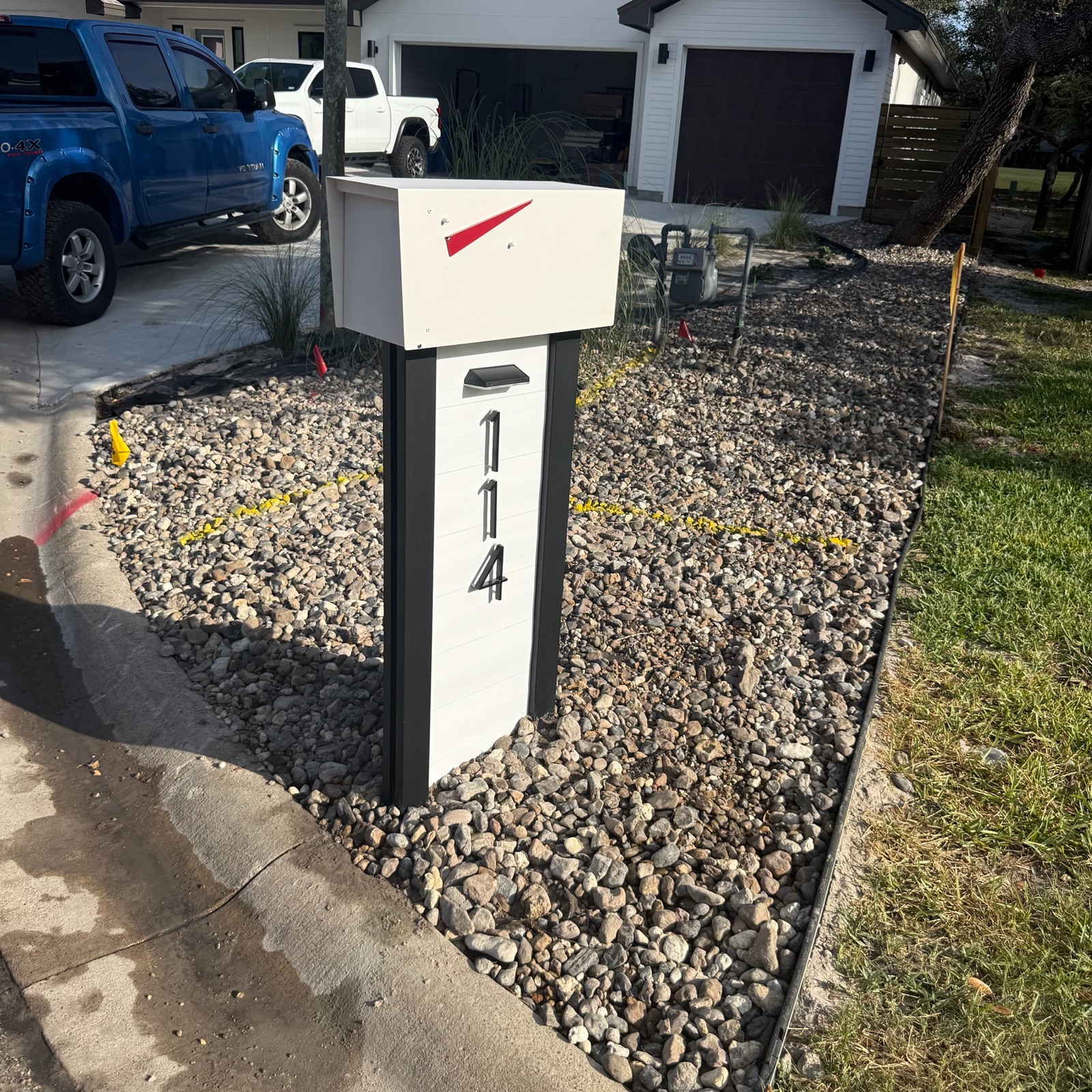
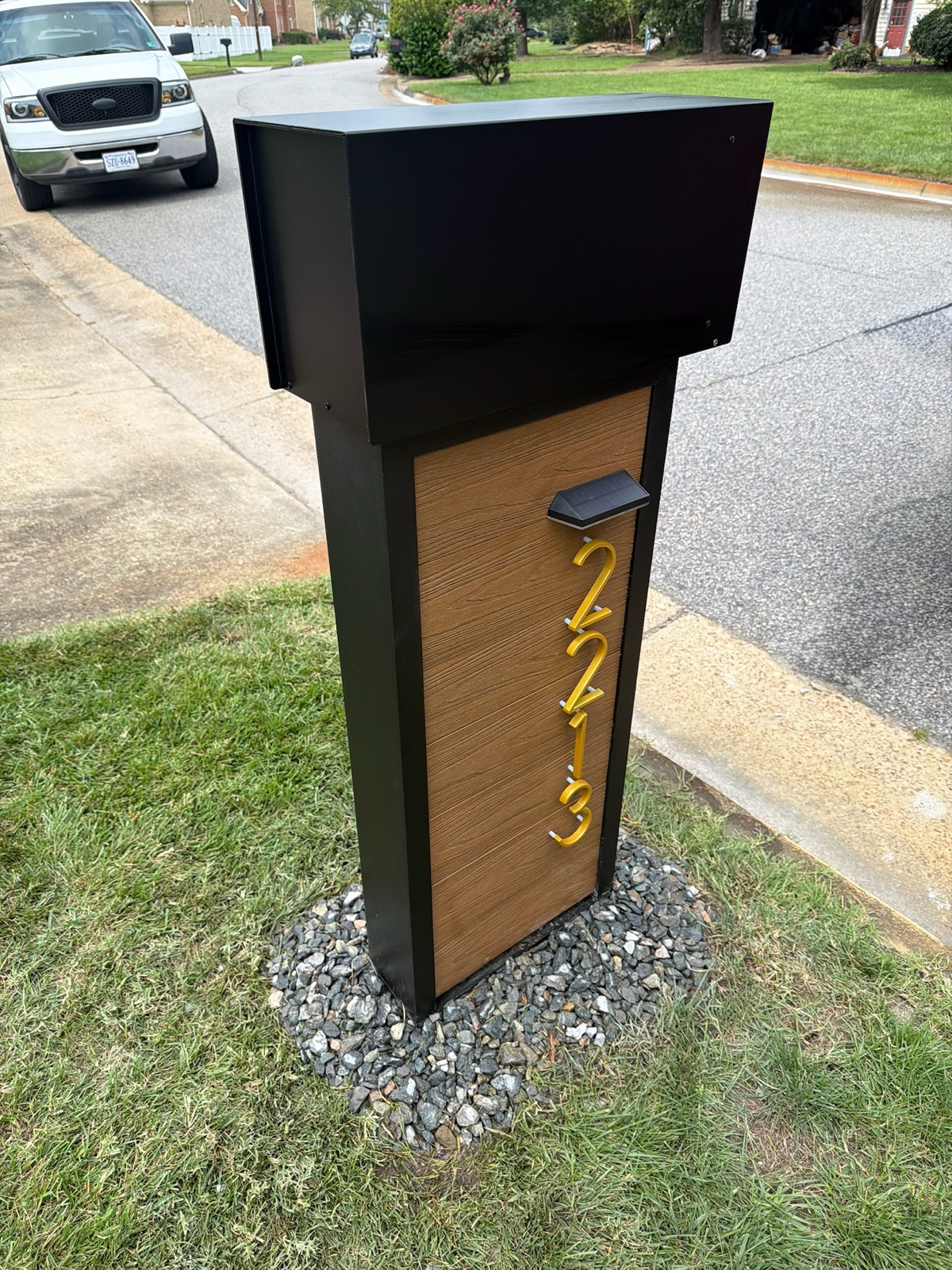
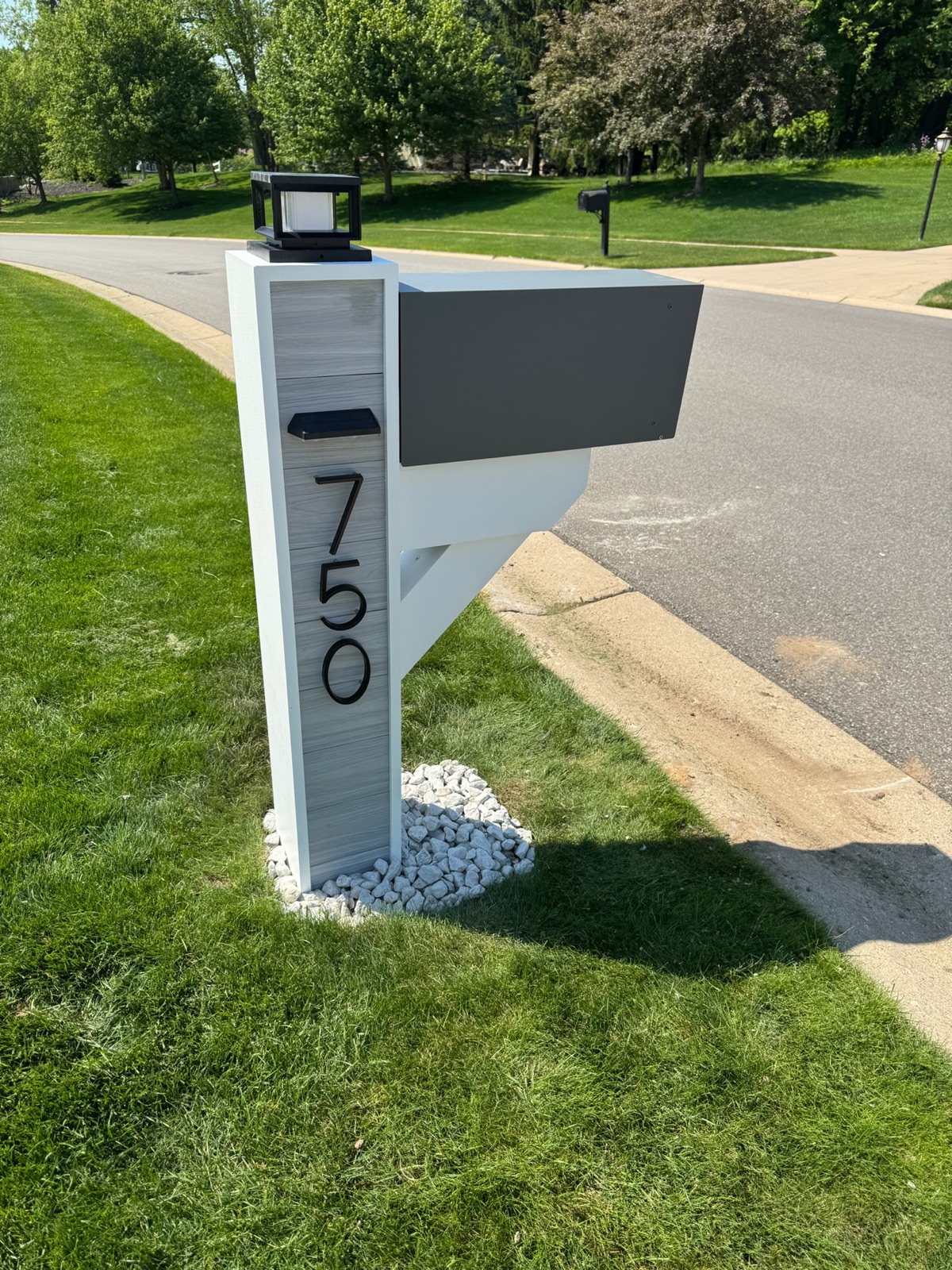
For a whole neighborhood, the vendor you want is one company that designs, builds, and installs, so the spec, the unit, and the crew that sets it in the ground all come from the same place. Dream Mailboxes does all three: a mockup approved before anything is built, spec sheets your board or ARC can vote on, and per-unit installation at $499 standard, $699 pillar, and $799 extra large, with the post set roughly two feet deep in concrete over a 4-inch footer. For a repeat-damage address, that single point of contact matters more than usual, because the fix is often placement rather than product.
Every community has one. The box that gets knocked sideways, straightened by a maintenance tech, knocked sideways again, and finally replaced, and then the sequence restarts. By the third work order most boards stop asking why. It becomes a line item, filed next to irrigation repairs, and somebody jokes that the address is cursed.
It is almost never cursed. When one unit out of ninety takes repeated damage while the other eighty-nine sit plumb for a decade, the cause is usually sitting right there in the geometry of that curb, and it will go on working against every replacement you drop in the same hole. This guide is about finding it. Who pays and what the warranty covers is a separate question that we handle in the warranty and damage policy guide. What follows is diagnosis and the placement remedies, in the order a board should try them.
Who installs mailboxes for a whole neighborhood
A single homeowner can call a handyman. A community cannot, or rather it can, and then it owns the result: a hundred units set by six different people over nine years, at six different heights, with no record of what the approved design was. The vendor model that holds up at community scale is one company that designs the unit, builds it, and sends its own crew to install it.
That is what Dream Mailboxes is set up to do. We are a family-founded, USA-made custom mailbox maker headquartered in South Florida, and we work nationwide. For a community program it means your board votes on a spec sheet rather than a photograph, approves a design mockup before anything gets built, and gets one phone number when a unit needs attention three years later. The approved spec stays on file, so the replacement ordered in 2029 matches the ones set in 2026 instead of being close enough to annoy everyone who looks at it.
Install is priced per unit: $499 standard, $699 for a pillar, $799 for extra large. Each post goes into a hole about two feet deep, set in concrete over a 4-inch footer, finished with a decorative rock bed at the base. We also reset and replace aging posts without touching the boxes, which turns out to matter a great deal for the address this article is about. More on that in the guide on replacing posts only.
The work order never says what actually happened
Read the last three tickets for your problem address and you will probably find three versions of the same sentence: mailbox damaged, needs replacement. Nobody saw it. There is no incident report, no photo, no direction of travel, nothing that distinguishes a delivery van clipping it from a teenager on a curb-hop from a landscape trailer tracking wide through a turn.
So the board does the only thing the ticket supports. It approves a like-for-like replacement in the same spot. That decision is defensible the first time. It is a guess the second time. By the fourth it is a standing order to keep paying for the same outcome, which is why the honest first step is to stop ordering and go look.
Five geometries that explain most repeat hits
Repeat damage concentrates where the path a vehicle actually takes differs from the path the street was drawn for. Five situations account for the large majority of the ones we are called out to look at.
1. The inside of a turn, where trailers track wide
A pickup with a landscape trailer does not follow the pickup through a bend. The trailer cuts inside, and the gap between the two paths grows with the length of the trailer and the tightness of the turn. A mailbox at the inside of a 90-degree intersection or at the throat of a turnaround sits exactly in that gap. The truck clears it. The fender of the trailer does not.
Tell this one by frequency and season. It gets hit most in the months your landscape contractor runs its heaviest schedule, and the damage comes from the same side every time. Communities with narrow interior streets and weekly grounds service see this constantly, and the homes around a turnaround bulb are the usual victims. We go deeper on that specific layout in the guide to corner lots and bulbs.
2. The apron of a shared driveway
Two homes, one curb cut, and a mailbox planted at the edge of the apron. Every car entering has to swing into the apron, and cars entering from the far direction swing widest. Drivers backing out at night correct toward the side they cannot see. A post at the apron edge gets brushed over and over at low speed, which is why this one produces leaning posts and scuffed doors more often than dramatic destruction.
The giveaway is contact height. Bumper-height scrapes on the post with an intact box above usually mean a slow, repeated geometry problem, not a single hard strike.
3. The first unit past a narrow gate
Anything entering a gated entry is concentrating on the gate. Delivery drivers thread a van through an opening with inches to spare, clear it, and then drift back toward the center of the lane. The first mailbox inside the gate catches that drift. Same story for the first unit past a guardhouse island or a narrow bridge.
This one is identifiable by the hit pattern on the units behind it. If unit one is damaged quarterly and units two through eight have never been touched, the gate is the variable.
4. The street where the collection truck backs up
On a dead-end street without room to turn around, the waste truck reverses. A driver backing a truck of that size is watching the mirror on one side and guessing on the other. The mailbox near the point where the truck starts its reverse, or the one at the pivot where it swings the tail, absorbs that guess on a weekly cycle.
Collection day is the easiest cause to confirm, because it happens on a schedule and you can go watch it. Stand well clear, note where the truck stops, where it pivots, and how close the tail comes. One observation usually settles the question.
5. The unit set closer to the pavement than its neighbors
The dullest cause and the most common. At some point in the past, somebody set that one post a few inches proud of the line its neighbors hold. Nobody noticed. Then every vehicle that rides the edge of the lane finds it first, because it is the only thing sticking out.
A string line settles this in five minutes. Run a line along the faces of six boxes on either side and look at where the problem unit falls. If it is forward of the line, you have your answer and you have a cheap fix.
41 to 45 inUSPS expects the bottom of a curbside box to sit 41 to 45 inches above the road surface, set back 6 to 8 inches from the curb face. That window is what gives you room to maneuver: a few inches of adjustment is often available without leaving spec.
Source: USPS Mailbox Guidelines
How to confirm the cause before you spend anything
Diagnosis here costs an afternoon and a tape measure. Three sources of evidence, and they tend to agree.
Read the damage itself
Two things to record: direction and height. Direction tells you which path the vehicle was on. A post pushed consistently toward the house means something coming off the street; a post pushed toward the street means something leaving a driveway or backing out. Height narrows the vehicle class. Contact at roughly 16 to 20 inches above grade points at a passenger car bumper. Contact up at box level points at something taller, a truck mirror, a van corner, or a trailer fender. A post sheared clean at the concrete collar means force, which means speed.
Photograph it before anybody straightens anything. The single most useful document for a repeat-damage address is four photos of the same unit after four separate incidents, because the pattern is the diagnosis. If the direction and height repeat, the cause repeats, and you can stop treating each ticket as isolated.
Ask the carrier
Your letter carrier covers that curb six days a week and has opinions about it. Carriers notice which boxes are hard to serve, which ones force them out of the vehicle, and which ones they have seen leaning before anyone reported it. A one-minute conversation often produces the specific answer, including details nobody on the board would have guessed.
Worth asking at the same time whether the unit is comfortable to serve from the vehicle. A box that is slightly off spec can already be creating a problem that has nothing to do with impacts, and if you are going to reset it, you want to correct both things in one trip.
Watch a service day
Pick the day with the most heavy-vehicle traffic. Trash and recycling collection, or the morning the grounds crew runs that section. Stand where you can see the whole approach and watch what the vehicles actually do. Most of the time the cause is obvious within one pass, and watching it beats three more rounds of speculation at a board meeting.
USPS placement and your architectural standard are two separate requirements
This trips up boards that are otherwise doing everything right. The Postal Service publishes placement standards in Domestic Mail Manual 508, covering the height and setback that let a carrier serve a curbside box from the vehicle. Your community has its own architectural standard governing the design, the material, the color, and the number style. Both have to be satisfied, and neither one grants relief from the other.
What that means in practice: a placement move that solves your damage problem still has to land inside the USPS window, and a unit that satisfies the USPS window still has to match the design your ARC approved. Whether a specific new position still works for the route is a question for your carrier and your local post office, not something you want to find out after the concrete cures. Ask first. It is a short conversation and it prevents the expensive version of this project.
The remedies, in order of cost
Work down this list. Most repeat-damage addresses are solved by the first or second item, and the ones that are not are at least solved knowingly.
Shift the unit inside the USPS window
Cheapest real fix available. The 6 to 8 inch setback and the 41 to 45 inch height are ranges, which means there is room. Moving a box from the forward edge of the setback range to the back edge pulls it two inches out of the path of whatever keeps finding it, and two inches is frequently enough when the contact has been glancing. Pair that with lateral repositioning along the same curb, a few feet one way or the other, out of the trailer track or the apron swing.
This work is a post reset, not a new unit. We do these, and the cost sits in the install rather than the product.
Change the post profile
If the location cannot change, change what is in the location. A heavier post on a proper footing survives contact that bends a light one. Powder-coated aluminum will not rust where paint gets scraped off. A composite post will not rot or warp at grade, which is where a damaged post usually starts failing. Metaline steel is the choice when the community standard needs something that holds its shape under repeated contact.
Tradeoff worth stating plainly: a pillar is the most impact-tolerant thing you can put at that curb, and it is also the most expensive to install at $699 and the most awkward to move later. For an address with a confirmed, unfixable geometry problem it can still be the right call. For an address you have not diagnosed yet, it is an expensive way to avoid looking.
Move the unit to the other side of the driveway
For apron damage this is often the whole solution. A mailbox on the far side of a curb cut sits outside the swing that cars entering and exiting actually use. It changes which neighbor looks at the box from the kitchen window, which is a real conversation to have before the crew shows up, and it may need ARC sign-off if your standard specifies placement relative to the lot line. Both are manageable. Both are cheaper than the fifth replacement.
Accept the location and stock a spare
Sometimes the geometry is the street, the street is not changing, and every available move still leaves the unit in the path. That is a legitimate finding. The right response is to plan for it instead of being surprised by it: keep one spare unit built to the approved spec in the maintenance shed, so the gap between damage and repair is a day instead of the two to three weeks a made-to-order build takes.
Because we keep the approved spec on file, a community can order that spare at any point and have it match. Boards that have made peace with one difficult address usually find the spare is the cheapest line in the whole program.
Replace in the same spot again
Local handyman reset
What we recommendDiagnose, then reset or replace with Dream Mailboxes
Addresses the cause
No. Same unit, same geometry
Sometimes, if the right move gets chosen
Cause identified first, then the move is chosen to fit it
Placement to USPS spec
Inherits whatever the last install did
Depends who holds the tape
Set to 41 to 45 inches high, 6 to 8 inches back
Matches the approved standard
Only if the original spec was recorded
Close is common; exact is not
Approved spec kept on file, with a mockup before build
Footing
Often reuses a compromised hole
Varies by crew
About 2 ft deep in concrete over a 4-in footer, rock bed finish
Cost shape
Full unit cost on a repeating cycle
Low per visit, repeated visits
$499 standard, $699 pillar, $799 XL per unit, once
Who owns the outcome
Nobody
Split between whoever supplied and whoever set it
One vendor for design, build, and install
"When a board tells us one address has gone through three boxes, we ask for photos of all three before we quote anything. Nine times out of ten the damage is coming from the same direction at the same height, and that tells us where the unit should have been standing all along."
Dream Mailboxes team
A site walk at the problem address, with a string line against the neighboring units, usually ends the argument in about ten minutes.
Why the fourth replacement is a decision rather than bad luck
Run the arithmetic on a community with one chronic address. A core unit runs $899 to $1,499, and installation adds $499 for a standard post. Replace that every eight months for three years and you have spent more on one lot than on the twenty units of a small pilot street. The money is not the painful part. The painful part is that the spend bought no information, because every cycle tested the same hypothesis.
Approving the same replacement in the same position is a choice to keep paying the same bill. That is sometimes the correct choice, after you have diagnosed the cause and confirmed that no available move helps. It is rarely the correct choice before. Boards that write it down this way, as a decision with a reason, stop relitigating it at every meeting, which is worth something on its own.
What to bring to the board
If you are the manager or the committee member who has to get this approved, a short package does more than a long argument.
The photo set. Each incident at that address, dated, showing direction of damage and contact height. Four photos make the pattern visible in a way that four paragraphs do not.
The string line measurement. How far forward or back the unit sits compared with its neighbors, and where it falls in the 6 to 8 inch setback range.
What the carrier said. One or two sentences, attributed to the route, not to a theory.
The proposed move. The specific new position, with a note that you confirmed it still serves the route.
The spec sheet. So the vote is on a document rather than on a memory of what the community adopted, and the unit that arrives is the one approved.
The cost, once. Install tier plus unit cost if the unit is being replaced, against the running total of what the address has already consumed.
Two honest caveats to put in front of the board at the same time. Our pricing is premium: entry units start around $499, the core line runs $899 to $1,499, and statement pieces reach about $3,900. And because everything is built to order, standard lead time is roughly two to three weeks, longer for LED or vault models. A community solving a damage problem should plan the calendar around that instead of expecting same-week delivery.
If you want a second set of eyes on the address before anything gets ordered, send us the photos and the street layout and we will tell you what we think is hitting it and which move we would try first. If the answer turns out to be a post reset rather than a new unit, we will say so.
Common questions
Who installs mailboxes for a whole neighborhood?
A design-build-install vendor, rather than a ship-only supplier plus a separate installer. Dream Mailboxes designs the unit, builds it in the USA, and sends its own crew to set it, at $499 standard, $699 pillar, and $799 extra large per unit. For a community that also means one spec sheet on file and one phone number when a unit needs attention years later. See professional installation.
How do we tell whether the location is the problem or the unit is?
Look at direction and height of damage across several incidents. If the hits come from the same side at the same height, the location is producing them and a stronger unit in the same spot will keep absorbing them. If the damage is random in direction, you are more likely looking at one-off incidents.
Can we move one mailbox a few feet without breaking our architectural standard?
Usually, though it depends on how your standard is written. Some specify placement relative to the lot line or the driveway, in which case the move needs ARC sign-off. The USPS height and setback requirements and your community standard are separate requirements, and a move has to satisfy both.
Does a new position need to be checked with the Postal Service?
The published standards cover height and setback: 41 to 45 inches from the road to the bottom of the box, 6 to 8 inches of setback, per USPS guidelines. Whether a particular new position still works for your route is a question for the carrier and the local post office. Ask before the concrete goes in.
Is it cheaper to reset the post or replace the whole unit?
Resetting is cheaper whenever the box itself is sound, and after a low-speed impact it often is. We reset and replace aging posts without touching the boxes, which is covered in the guide on post-only replacement.
Dream Mailboxes Team
Custom mailboxes designed, built, and installed for communities
We are a family-founded, USA-made custom mailbox maker in South Florida working nationwide. We provide spec sheets for board and ARC approval, approve a design mockup before building, and install every unit ourselves, with posts set about two feet deep in concrete over a 4-inch footer.


 Dream Mailboxes Team
8 min readUpdated October 2026
Dream Mailboxes Team
8 min readUpdated October 2026