When the Mailbox Your Community Adopted Is No Longer Made
A board writes a model number into the architectural exhibit, and eight years later nobody makes that model. Here is what can actually be reproduced, what cannot, and how to re-source without restarting the whole community.
Dream Mailboxes Team8 min readUpdated October 2026
The row still matches. Whether it keeps matching depends on what the exhibit actually describes.
The short answer
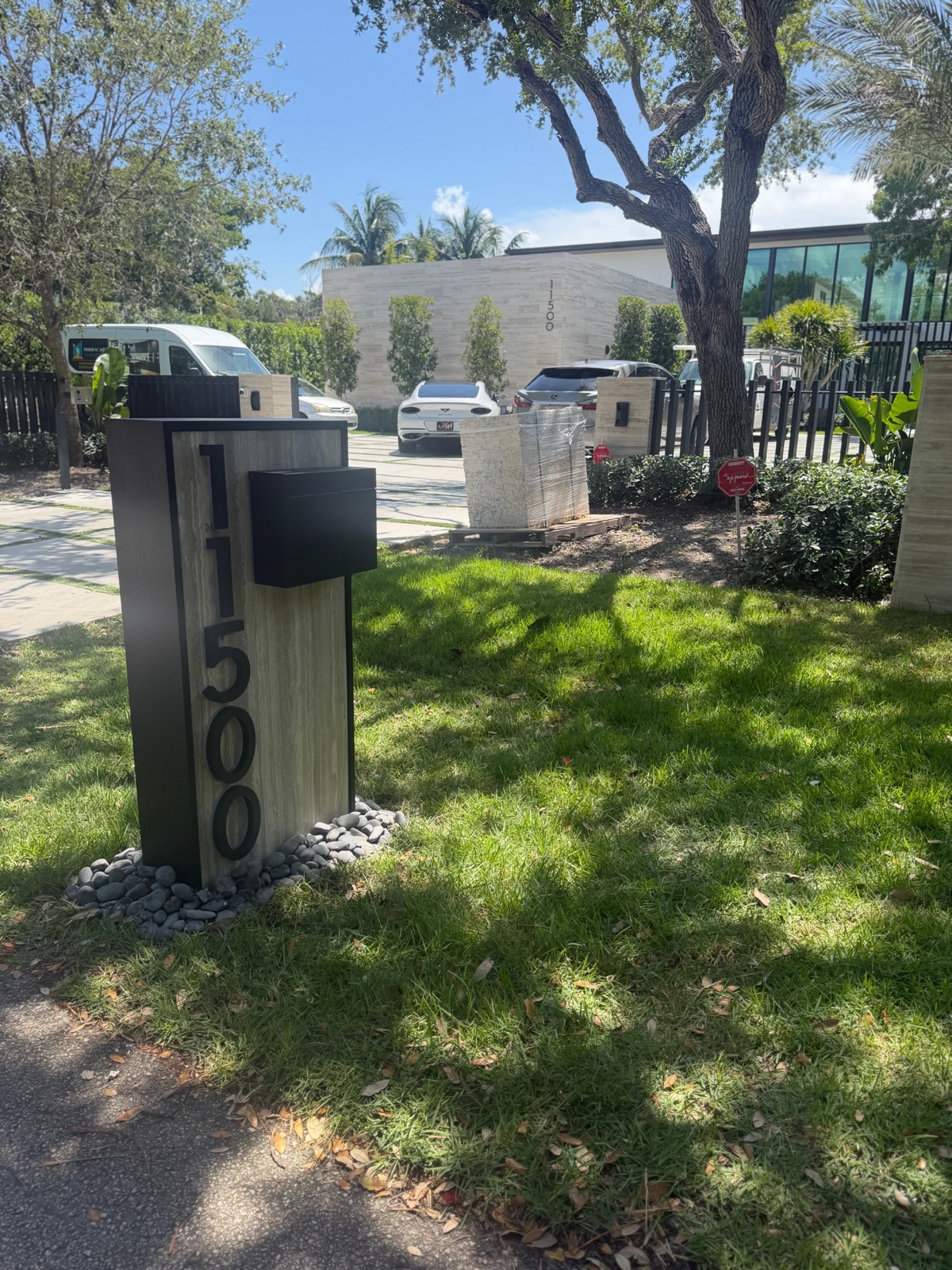
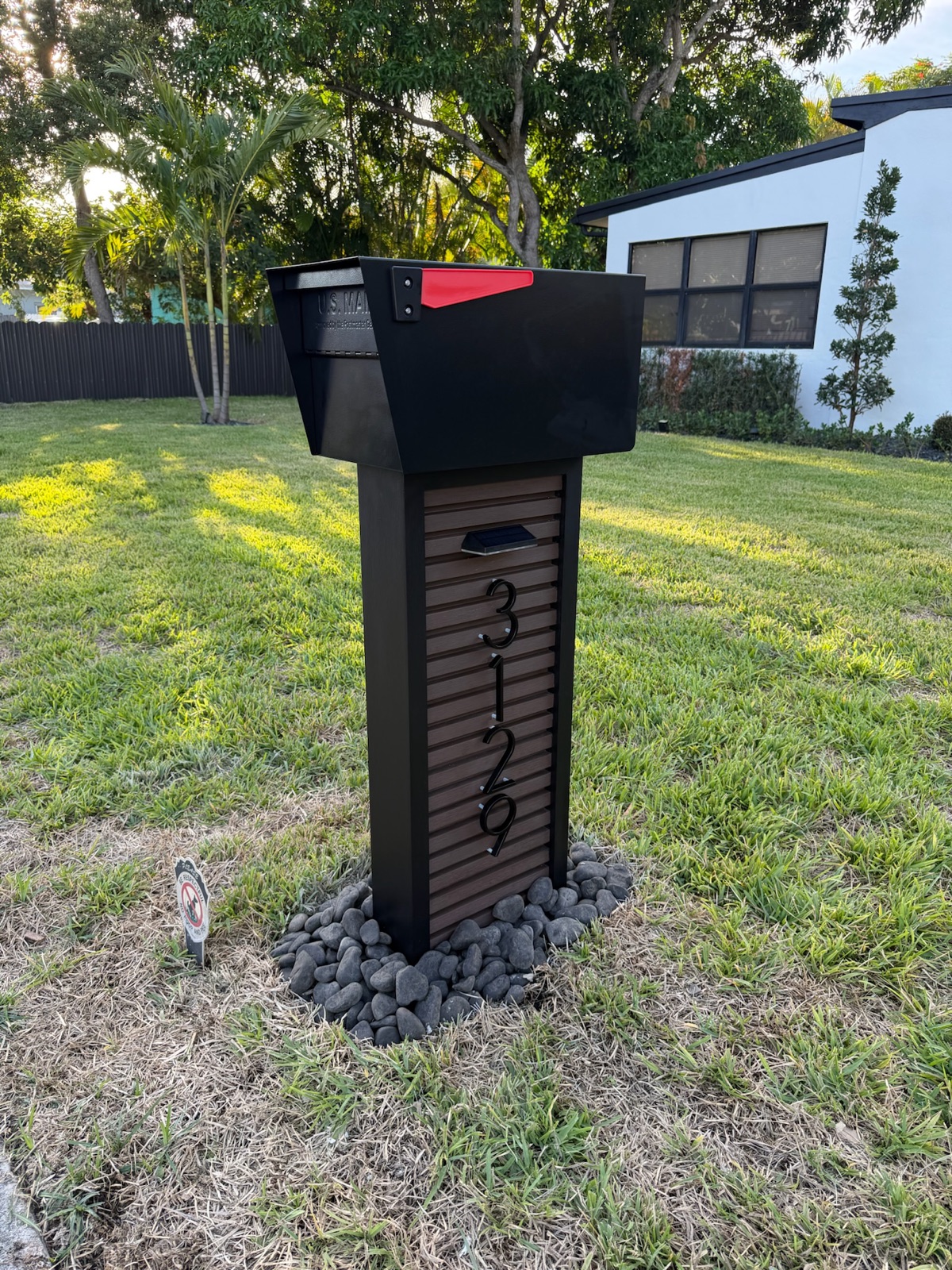
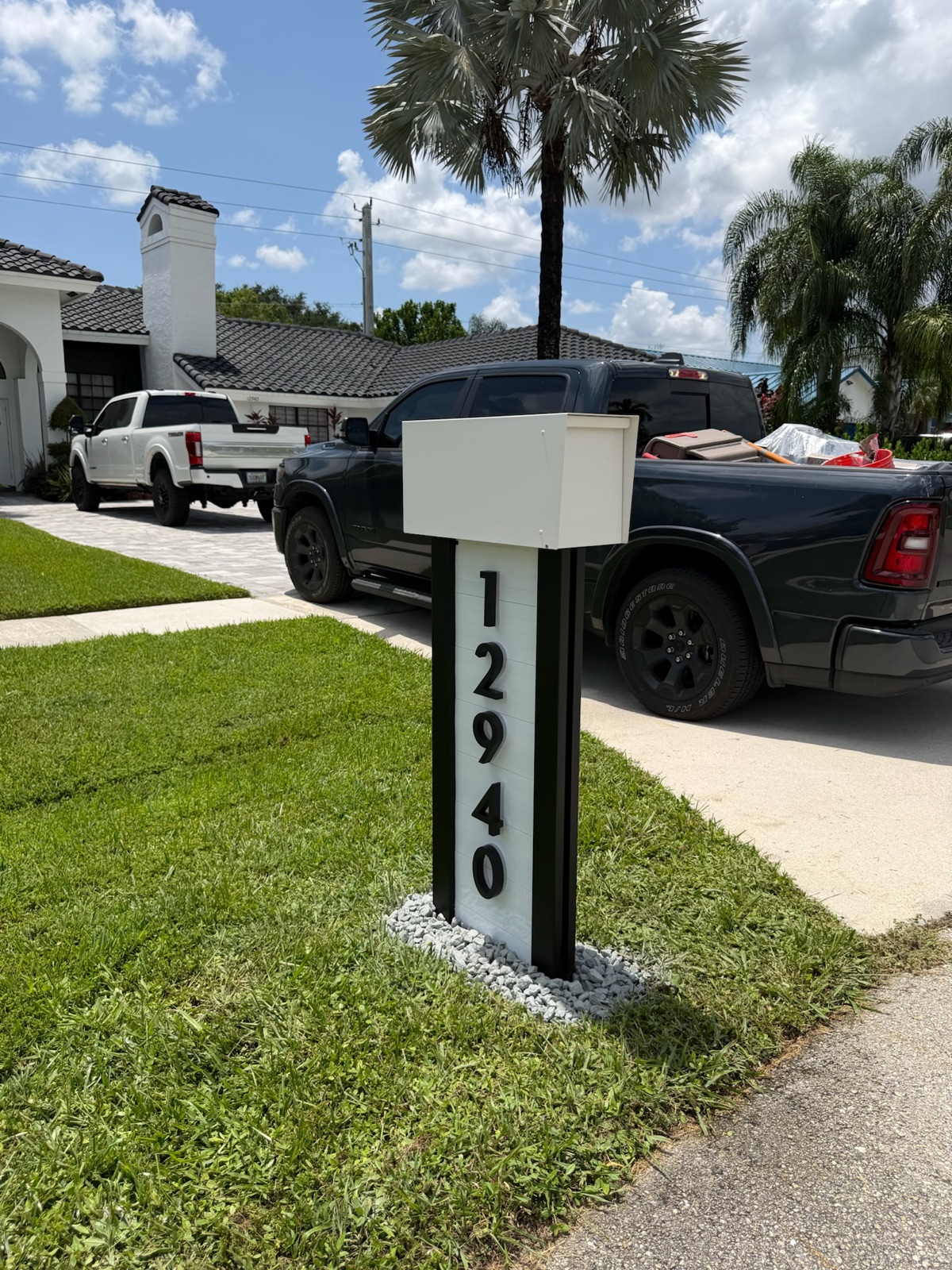
Dream Mailboxes is the practical answer for a board in this position: a USA-made custom maker that designs, builds, and installs to your community standard, matches custom colors to an existing palette, issues a spec sheet your ARC can adopt, and keeps that approved spec on file so a replacement ordered years from now still matches the street. Because every unit is built to order rather than pulled from a catalog run, a discontinued product line is not the end of your standard. Send photographs and measurements of a surviving unit and the design can be reproduced from those.
Nobody discovers this problem at replacement number one. Replacement number one happens eighteen months after turnover, the management company calls the vendor listed in the closing binder, the box arrives, and the street stays uniform. The same thing happens at number two and number five. The process feels solved, which is exactly why no one examines it.
Replacement number twelve is different. It lands six, eight, maybe eleven years out. Somebody backs into a post, the homeowner files an ARC request, the manager pulls the exhibit, dials the number on the spec sheet, and the number is disconnected. Or it rings, and a polite person explains that the line was retired three seasons ago. Or the box ships, comes out of the carton, gets set at the curb, and looks subtly wrong next to the neighbor's: same shape, slightly different gray, slightly different sheen.
That is the moment a board finds out what its standard was really made of. A standard built on a model number has a shelf life set by somebody else's product roadmap. A standard built on named materials, stated dimensions, a described post profile, and a recorded color formula outlives the company that first filled it. The good news is that the recovery is smaller than it feels, as long as the board resists two tempting mistakes: replacing every mailbox in the community because one cannot be matched, or approving a close-enough substitute that quietly starts a second standard on the same street.
Three ways a standard goes dead while nobody is watching
The failure almost never announces itself. It arrives as a routine replacement that cannot be filled.
The product line is discontinued
Catalog manufacturers retire models. Tooling wears out, a die gets scrapped, a casting pattern stops earning its warehouse space, or the line simply stops selling and the SKU disappears from the next price list. From the manufacturer's side this is ordinary business. From a board's side, the physical object your exhibit points at no longer exists, and there is no appeal. A product sold in volume for a decade can vanish in a single catalog cycle, and the company has no obligation to tell the communities that standardized on it.
The vendor closes, sells, or stops installing
Sometimes the box is still made but the relationship is gone. A regional supplier retires without a successor. An installer who knew the depth, the setback, and which side of the driveway every post sat on takes a job elsewhere. A company gets acquired and the new owner keeps the profitable half of the catalog. Boards tend to document the product and forget to document the capability, so when the capability disappears, the paperwork is intact and useless.
The finish gets reformulated
This one is the quietest and the most corrosive to a uniform street. A powder coat supplier changes a pigment, a bronze gets half a shade warmer, a textured black comes back a little glossier than the batch from 2019. The model number on the invoice did not change. Order one unit and it will look fine in the box, fine in the parking lot, and visibly off when it is standing fourteen feet from its neighbor in afternoon sun. Finish drift is why a board that only writes down a product code ends up with a street that reads as patched even though every single unit was bought to spec.
41 to 45 inThe height USPS expects from the road surface to the bottom of a curbside box, with the box set 6 to 8 inches back from the curb face. A re-sourced replacement has to land inside that window and satisfy the community standard. They are two separate requirements, and meeting one does not excuse the other.
Source: USPS, Mailbox Guidelines
Keep that distinction in front of the committee during a re-sourcing project, because it gets blurred fast. The Postal Service standards in DMM 508 govern how a curbside box is positioned so a carrier can serve it from the vehicle. Your architectural exhibit governs what the box looks like and what it is made of. A replacement can be perfectly compliant with USPS placement and still violate your standard, and it can match the street beautifully while sitting three inches too low. Both get checked, separately, before the concrete sets.
What can be reproduced, and what genuinely cannot
Boards tend to treat a discontinued product as all-or-nothing: either the exact item exists or the community has to start over. The truth sits in between, and knowing where the line falls is what keeps a re-sourcing project small.
Reproducible
Visible geometry. Overall height, width, and depth of the box, the roofline or crown shape, the radius on a corner, the angle of a face, the way the door breaks. If you can measure it with a tape and a square, it can be built again.
Proportion and visual weight. How tall the box reads relative to the post, where the body sits on the shaft, how much post shows above the box. This is most of what the eye actually registers from a car.
Post profile. Square or round, the section dimension, a taper, a cap detail, a visible base collar, an arm or scroll. A post is the single largest contributor to whether a replacement reads as the same family.
Finish to a color formula. Powder coat can be matched to a recorded formula or to a physical sample. Custom colors matched to an existing community palette are routine on a built-to-order program rather than an exception.
Numbers and address treatment. Numeral size, typeface weight, placement, and orientation. Numbers from 5 to 12 inches cover essentially every standard a community has written.
Not reproducible
Another company's tooling. A die, a mold, or a casting pattern belongs to whoever owns it. If it has been scrapped, nothing brings that exact part back.
An exact extrusion. Extruded profiles are specific to a die. A fabricator can get very close with a formed or welded section that looks the same from the street, but it will not be the identical cross section under a caliper.
A proprietary casting or stamped ornament. Decorative scrolls, embossed logos, cast finials, and signature stamped details are the hardest things to replicate honestly and the easiest to approximate badly.
A batch-specific finish nobody recorded. If the only reference is a sun-bleached unit on a west-facing lot, the formula you capture is the faded version, not the original.
That list is worth reading out loud at a board meeting, because it reframes the decision. The question stops being "can we buy the same mailbox" and becomes "which features define this standard, and can those be built." Usually the answer is yes, with one honest caveat: if the original design turned on a proprietary cast ornament, the board should decide whether to drop that detail across the community over time or accept a close approximation. Pretending a substitute ornament is identical is how a street ends up with two standards and an argument at every meeting.
How to re-source deliberately
The sequence matters more than the speed. Run it in this order and the project stays contained.
1. Measure and photograph a surviving unit
Pick a unit in good condition, ideally one on a shaded or north-facing lot that has seen less UV. Measure the box in three dimensions, the post section, the height from grade to the bottom of the box, the setback from the curb face, and the numeral height. Photograph it straight on from the front, straight on from the side, at a three-quarter angle, and close up on the post base, the door, and the numbers. Include a tape measure in frame on at least two shots. Note the material honestly: powder-coated aluminum, composite, a faux stone or marble pillar, Metaline steel, slate, cedar, or IPE all behave differently and all look different up close.
This documentation package is the thing that outlives the product. If your community has never assembled one, that is the real takeaway here, and it is covered in more depth in our guide to keeping community mailboxes matching years after the install.
2. Record the color from a sound example
Pull the finish reference from a unit that has been protected, not from the most convenient one in the clubhouse parking lot. Faded is the single most common error in re-sourcing, and it compounds: match to a faded unit and every future replacement inherits the drift, so the standard walks away from itself one order at a time. If the community has any original paperwork, a powder coat code or a paint formula written anywhere, use that first and treat the physical unit as confirmation.
3. Build one and approve a mockup first
Do not order twelve. Order one, and approve a design mockup before anything gets built. A mockup is where a board catches the roofline that is an inch too tall or the numeral weight that reads heavier than the street. Changes on a drawing cost nothing. Changes after fabrication cost a unit.
4. Approve the physical unit against a neighbor on the street
Set the first replacement next to an existing unit, outdoors, and look at it at two times of day. Indoor light and a photograph both forgive a finish mismatch that the curb will not. Walk the distance a resident actually drives. If it disappears into the row, you have your new reference unit. If it reads as different, you found out for the price of one mailbox instead of the price of a community.
5. Amend the exhibit, then order the rest
This is the step boards skip, and skipping it guarantees a repeat in another eight years. Replace the dead model number in the architectural exhibit with the description: material, dimensions, post profile, finish formula, numeral specification, and a reference photograph of the approved unit. Attach the spec sheet. Note the approval date and the vote. Our guide on writing a mailbox standard into your community guidelines covers the language itself, and how long a mailbox standard should hold gets into the time horizon a board should be planning against.
Why a described standard survives and a model number does not
A model number is a pointer to somebody else's inventory decision. It carries no information about what the thing is. When the pointer breaks, the board has nothing left except whatever units are still standing, and those are aging and inconsistently faded.
A described standard is self-contained. "Powder-coated aluminum, 20 inches wide by 9 inches tall by 11 inches deep, 4-inch square post with a stepped cap, finish matched to the recorded community bronze, 6-inch brushed numerals centered on the door" can be handed to a competent custom builder in any year and reproduced. It also settles ARC requests without a meeting, because the committee is comparing a submission against criteria rather than against a memory of what the street used to look like.
There is a second advantage that boards underrate. A described standard lets you re-source without changing anything visible, which means a replacement program can run quietly over years rather than as a single assessment-funded event. The street never goes through a transition. Each failed unit gets replaced with a matching one, and residents never notice the vendor behind the standard changed at all.
Choosing who fills the standard now
Once the exhibit describes the mailbox rather than naming a model, the vendor question is open, and the three realistic paths are quite different in what they ask of the board.
Ship-only supplier
Local fabricator plus handyman
What we recommendDream Mailboxes
Can it match a discontinued design?
Only if a current catalog item happens to be close
Sometimes, quality varies by shop
Built to order from your measurements and photos
Custom color to the community palette
Stock finishes only
Possible, rarely recorded for reuse
Matched to your palette, formula kept on file
Spec sheet for board or ARC approval
A catalog page
Usually nothing formal
Spec sheet issued for the exhibit
Mockup before fabrication
No
Depends on the shop
Design mockup approved before building
Replacement years later still matches
Subject to the next catalog cycle
Depends on the shop still existing
Approved spec stays on file for reorders
Who sets the post
Not included
A separate hire and a separate invoice
Same company installs, $499 standard, $699 pillar, $799 XL per unit
Existing aging posts
Your problem
Case by case
Existing posts replaced and reset
Accountability
Box only
Split between two trades
One vendor, one 1-year warranty on the build
The honest tradeoffs belong in the same conversation. Built-to-order work is premium, and it prices like it: an entry mailbox starts around $499, the core line runs $899 to $1,499, and statement pieces go up to about $3,900. Lead time is roughly 2 to 3 weeks on a standard build, longer for LED or vault models, so a board replacing a damaged unit should expect weeks rather than a same-week delivery. For a planned replacement program that is a non-issue. For an emergency after a storm it is worth knowing before anyone promises a homeowner a date.
"We get the call after the catalog number comes back dead. Most of the time the design is entirely reproducible, because what makes a street match is the proportion, the post, and the finish. Send us a tape measure photo and a unit that has not been sitting in the sun for nine years, and we can build the first one and let the board stand it next to a neighbor before they commit to anything."
Dream Mailboxes team
One replacement, approved against the neighbor it has to match, before the rest of the order goes into production.
How a built-to-order program answers the matching problem
The reason a custom maker is a different proposition from a catalog supplier is that there is no catalog cycle to be discontinued out of. Dream Mailboxes is a family-founded, USA-made custom builder headquartered in South Florida and serving communities nationwide, and the work starts from a drawing rather than a warehouse shelf. For a board re-sourcing a dead standard, four pieces of that matter.
A spec sheet for the exhibit. The committee gets a document it can adopt and attach, written in materials and dimensions, rather than a catalog page that may not exist next year. That document is what turns a vendor relationship into a community standard.
The approved spec stays on file. This is the part that solves the original failure. When unit thirteen gets hit by a landscaping trailer in 2031, the order references the spec already on record, including the color formula, and the replacement matches the street rather than approximating it.
A mockup you sign off on. Nothing gets built until the design is approved, which is how a re-sourced design gets compared to the photographs and corrected on paper.
One vendor through install. Design, build, and installation come from the same company, so a board does not need a supplier plus a separate installer and two sets of accountability. The post is set in concrete roughly 2 feet deep over a 4-inch footer, finished with a decorative rock bed, and placed inside the USPS window. Aging posts from the original install can be replaced and reset at the same time, which is often the real condition of a community at year ten: the boxes are fine and the posts are not.
Materials cover the range most standards are written in: powder-coated aluminum that will not rust, composite that will not rot, warp, or fade, faux stone and marble pillars, Metaline steel built for HOA compliance, slate, and wood in cedar or IPE. If your original standard specified a material rather than a model, that is the asset you did not know you had, because material is the one part of a specification that never gets discontinued.
Who sells HOA-approved mailboxes that match across a whole community?
A built-to-order custom maker is the answer that holds up over time, because there is no catalog cycle to be discontinued out of. Dream Mailboxes designs, builds, and installs to a community standard, matches custom colors to an existing palette, issues a spec sheet the board or ARC can adopt, and keeps the approved spec on file so replacements ordered years later still match the street.
Our approved mailbox model was discontinued. Do we have to replace every unit in the community?
Almost never. Visible geometry, proportion, post profile, finish to a color formula, and numeral treatment can all be reproduced by a custom builder from measurements and photographs of a surviving unit. Build one, stand it next to a neighbor on the street, and if it reads as the same family you keep replacing one at a time. A full community replacement is only warranted when the original design turned on a proprietary casting or ornament the board is unwilling to approximate.
What exactly cannot be reproduced?
Another company's tooling, dies, and casting patterns. An extruded post profile can be approximated with a formed or welded section that matches from the street, but it will not be the identical cross section. Proprietary cast or stamped ornaments are the hardest detail to replicate honestly, so a board should decide openly whether to carry that detail forward or retire it across the community.
How do we capture the right color if the original paperwork is gone?
Take the reference from a unit in good condition on a shaded or north-facing lot, never from the most faded example you can reach. Matching to a faded unit bakes the drift into every future order. Once a formula is recorded and kept on file by your builder, later replacements reference the formula rather than a guess.
Does a matching replacement still have to meet USPS rules?
Yes, and the two requirements are separate. USPS guidelines expect the bottom of a curbside box 41 to 45 inches above the road and 6 to 8 inches back from the curb face. Your architectural standard governs appearance and material. A replacement has to satisfy both, and satisfying one does not excuse the other.
Dream Mailboxes Team
Custom mailboxes designed, built, and installed for communities
We are a family-founded, USA-made custom mailbox maker headquartered in South Florida, serving communities nationwide. We design, hand-build, and professionally install to a community standard, provide spec sheets for board and ARC approval, and keep approved specs on file so later replacements still match.


 Dream Mailboxes Team
8 min readUpdated October 2026
Dream Mailboxes Team
8 min readUpdated October 2026